
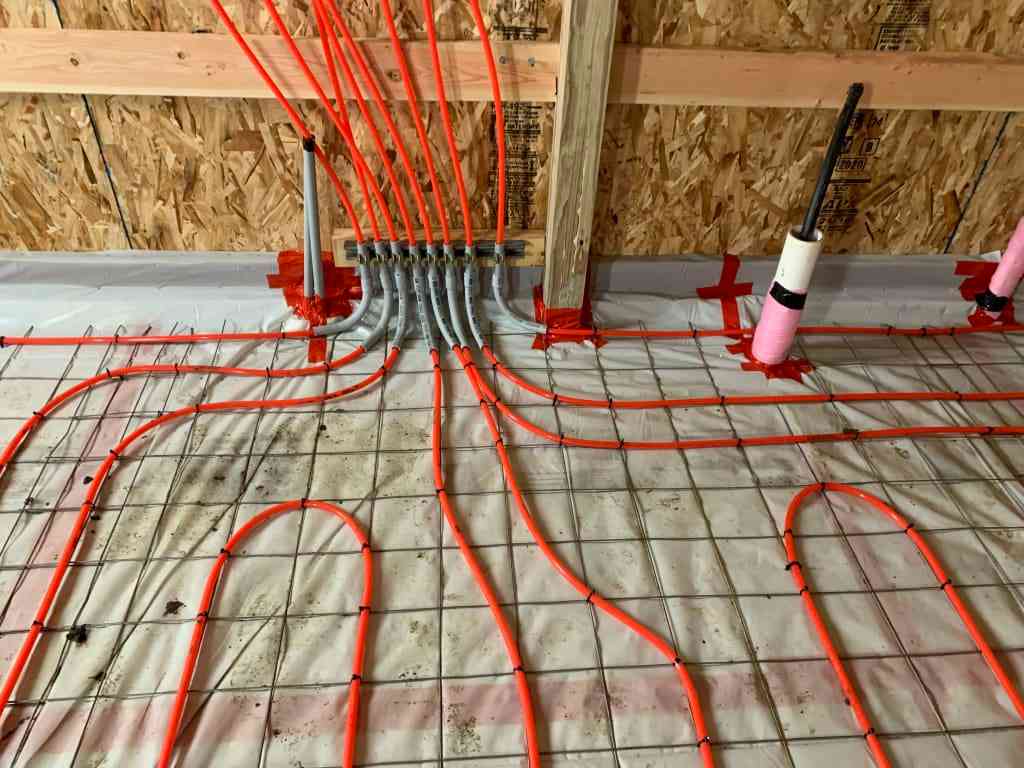
Many people use PEX pipes for heating systems because they are easy to install and resist corrosion.
However, not all PEX pipes are the same.
Some include a special layer that protects metal parts in the system from rust and damage.
Oxygen barrier PEX pipes work by blocking oxygen from entering the water inside the tubing, which prevents corrosion in boilers, pumps, and other metal components.
This barrier, often made from a thin layer of ethylene vinyl alcohol or aluminum, acts as a shield between the water and the surrounding air.
Without it, oxygen can pass through the pipe walls and react with iron or steel parts, causing rust over time.
Therefore, systems that use iron or steel, such as closed-loop hydronic heating systems, benefit most from the oxygen barrier PEX.
Understanding how this barrier functions helps explain why these pipes last longer and perform better in heating systems.
The next sections explore how oxygen barrier PEX prevents corrosion, how it meets quality standards, and what makes it a dependable choice for long-term use.
How Oxygen Barrier PEX Pipes Prevent Corrosion and Oxygen Ingress
Oxygen barrier PEX pipes stop oxygen from entering closed-loop heating systems, which protects metal parts from rust and extends system life.
Their layered structure blocks gas transfer and helps maintain water quality and heat efficiency.
The Science Behind Oxygen Diffusion and Corrosion
Oxygen in water reacts with iron and steel parts to form rust. In a sealed heating system, this reaction can damage pumps, valves, and radiators.
Once oxygen enters the water, it starts a chain of corrosion that weakens metal surfaces and reduces system performance.
PEX tubing without a barrier allows oxygen molecules to pass through its wall over time.
This process, known as diffusion, happens because oxygen moves from high concentration in the air to low concentration inside the pipe.
The more oxygen that enters, the faster corrosion spreads.
A safe oxygen barrier PEX pipe stops this transfer by using special materials that block oxygen movement.
This design keeps the system water oxygen-free, which prevents rust from forming and keeps the system stable for years.
Products like safe oxygen barrier PEX are often used in radiant and hydronic heating for this reason.
Role of EVOH and Aluminum Layers in Oxygen Barrier PEX
Most oxygen barrier PEX tubing uses a thin EVOH (ethylene vinyl alcohol) layer or an aluminum core to block oxygen.
EVOH is a plastic film that resists gas movement, while aluminum creates a solid metal barrier through which no oxygen can pass.
In PEX-AL-PEX pipes, the aluminum layer sits between two layers of cross-linked polyethylene.
This structure gives strength, flexibility, and an airtight seal.
EVOH-coated PEX, in contrast, places the barrier on the outer surface to stop oxygen before it reaches the water.
Both designs keep oxygen from entering the pipe and reacting with metal parts in the system.
The result is a more stable water chemistry and less maintenance over time.
Impact on Hydronic and Radiant Heating Systems
Closed-loop hydronic and radiant floor systems depend on clean, oxygen-free water.
Even small amounts of oxygen can corrode cast-iron pumps or steel fittings.
Over time, this leads to leaks, noise, and efficiency loss.
Oxygen barrier PEX pipes solve this problem by maintaining a sealed environment.
The same water circulates repeatedly without taking in new oxygen.
This stable condition prevents rust and mineral buildup inside the system.
By keeping oxygen out, these pipes also protect heat exchangers and boilers that cannot handle oxygen exposure.
They make the system more dependable and reduce repair costs for homeowners and installers.
Oxygen Transmission Rate and Barrier Performance
The oxygen transmission rate (OTR) measures how much oxygen passes through a pipe wall in a given time.
Lower OTR values mean better protection against corrosion.
EVOH and aluminum layers both achieve very low OTR levels, which makes them ideal for closed heating systems.
Manufacturers test OTR under pressure and temperature conditions similar to real installations.
A well-made oxygen barrier PEX pipe maintains consistent performance even under heat and stress.
Low OTR performance helps preserve water clarity and prevents oxidation of system components.
It also keeps heat transfer stable, which supports energy efficiency and long service life for hydronic and radiant systems.
Durability, Quality Control, and Industry Standards
Oxygen barrier PEX pipes must maintain strength, resist corrosion, and meet strict testing standards to perform well in hydronic systems.
Their quality depends on how they are made, verified, and certified before use in heating or plumbing applications.
Manufacturing Methods and Quality Assurance
Manufacturers produce oxygen barrier PEX pipes by cross-linking polyethylene to form a tough inner layer.
They then add an ethylene vinyl alcohol (EVOH) or aluminum barrier that blocks oxygen diffusion.
This design prevents corrosion in systems with ferrous components.
Each production batch undergoes oxygen transmission rate (OTR) testing to confirm that the barrier layer limits oxygen entry.
Pressure and temperature tests verify that the pipe maintains strength under normal operating conditions.
Quality control teams inspect wall thickness, adhesion between layers, and surface finish. Automated systems often measure these factors to reduce human error.
Any tubing that fails to meet internal standards is rejected before packaging.
Industry Certifications and Compliance
PEX oxygen barrier pipes must meet several international and regional standards before sale.
Common certifications include ASTM F876, ASTM F877, and DIN 4726, which define minimum performance levels for temperature resistance, pressure rating, and oxygen diffusion.
Manufacturers also follow ISO quality management systems to document and track production consistency.
These systems require audits, calibration of test equipment, and record-keeping to verify compliance.
Compliance with these standards gives installers confidence that each pipe will behave predictably under design conditions.
It also allows products to be used in both residential and commercial heating systems without custom approval.
Long-Term Performance and System Longevity
Durability depends on both material composition and barrier integrity.
The aluminum or EVOH layer protects against oxygen ingress, while the cross-linked polyethylene resists cracking and chemical wear.
Over time, this combination helps maintain water quality and reduces maintenance needs.
Proper installation and pressure control further extend the service life.
Systems that remain closed and stable experience less corrosion and fewer mechanical failures.
Field data show that high-quality oxygen barrier PEX pipes can last for decades under normal operating conditions.
Consistent material testing and adherence to standards help maintain this long-term performance.
Conclusion
Oxygen barrier PEX pipes use a special inner layer that blocks oxygen from entering closed-loop heating and plumbing systems.
This barrier protects metal parts such as boilers, pumps, and valves from corrosion and rust.
The aluminum or EVOH layer inside the pipe stops oxygen diffusion, which helps maintain water purity and system performance.
As a result, pipes last longer and require fewer repairs.
These pipes also reduce maintenance costs and keep heating systems efficient over time.
Their structure provides durability, flexibility, and consistent protection against oxygen exposure.
By preventing oxygen from reaching metal components, oxygen barrier PEX pipes support safer, longer-lasting, and more efficient systems in both residential and commercial settings.