
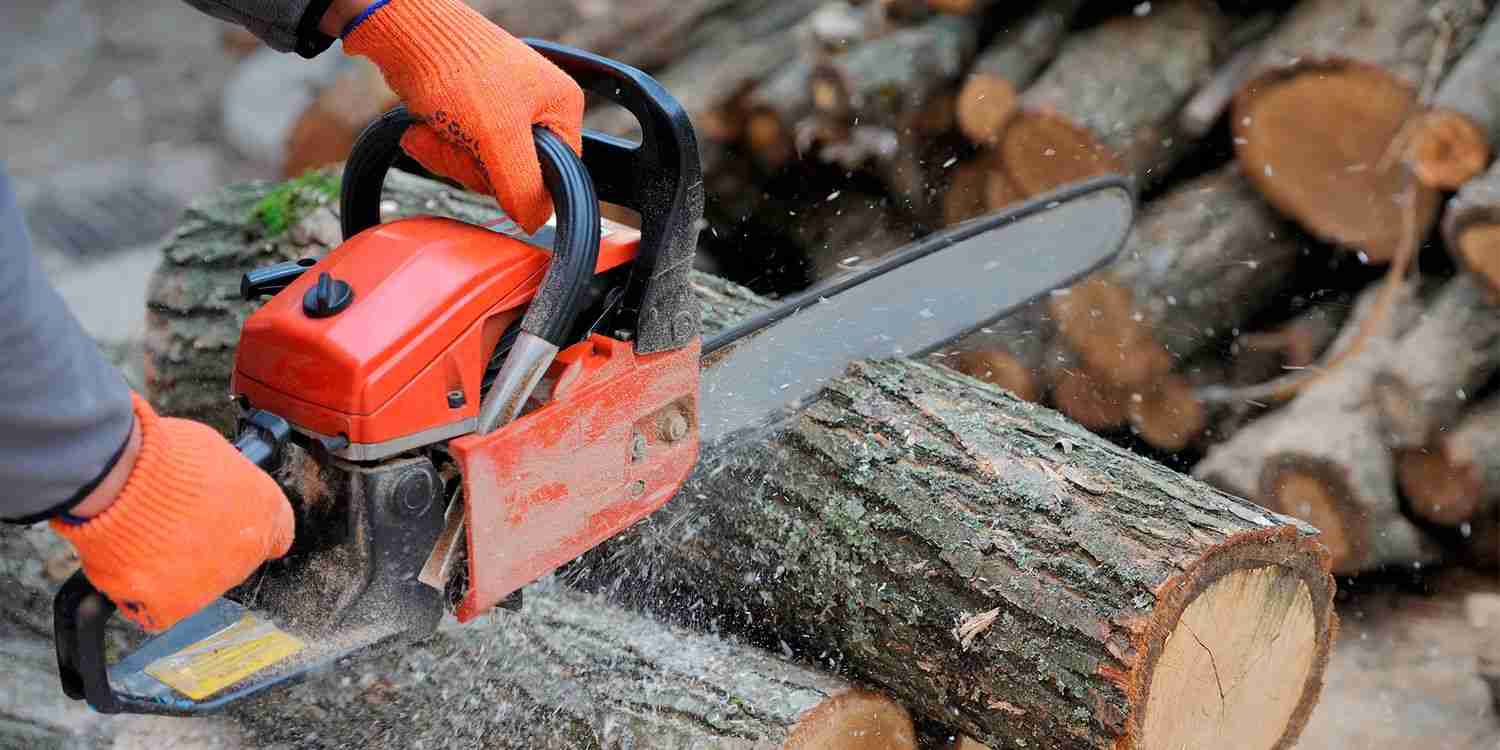
Today we’re talking about something that can make or break your weekend outdoor space – choosing the right chainsaw for your big yard.
If you’ve got more than a tiny patch of grass, you know that keeping trees, shrubs and fallen branches in check is no small job.
The right chainsaw can make you feel like a landscaping hero, while the wrong one might leave you sweating, frustrated, and with half-finished projects scattered across your property.
Let’s cut through the noise and figure out whether petrol or electric is your best yard buddy.
8 Tips: Petrol Chainsaw vs Electric Chainsaw – Which One Suits Large Yards Best?
Let’s get real about chainsaws.
Your choice boils down to two main types: the traditional gas-guzzling petrol models that have been around forever, and the newer electric ones that come in corded or battery-powered versions.
Petrol chainsaws deliver more raw power, while an electric chainsaw without the fumes or noise ensures quieter use, lower upkeep, and cleaner operation.
But which makes more sense when you’re dealing with a sprawling yard? That’s what we’ll figure out together.
Understand the Power Requirements of Large Yards
Big yards with mature trees need serious cutting power.
This is where petrol chainsaws typically shine.
A good 50cc gas model will slice through 20-inch thick hardwood without breaking a sweat.
Electric models have come a long way though.
Modern battery chainsaws with 60V systems can handle surprising amounts of work.
The key difference? Petrol gives you sustained power that doesn’t fade, while battery models might lose cutting strength as the battery drains.
For most large yards with occasional big cutting jobs but regular maintenance, a mid-range petrol chainsaw (35-50cc) or a high-end battery model (40V and up) will do the trick.
Just remember – if you’re regularly cutting trees thicker than your arm, petrol still has the edge in raw cutting capability.
Evaluate Mobility and Reach
When you’ve got acres to cover, you need to think about how far you’ll wander from power outlets and how much weight you want to carry around all day.
Battery chainsaws win the comfort contest.
They typically weigh 20-30% less than comparable petrol models.
A 16-inch battery saw might weigh 8-10 pounds while a similar petrol saw could hit 12-14 pounds.
That difference matters after an hour of work.
But what about range? Petrol saws go anywhere as long as you’ve got fuel.
With electric, you’ve either got a cord limiting your range to about 100 feet from an outlet, or battery life concerns.
Most good battery chainsaws give you 30-60 minutes of actual cutting time.
The smart move for really large properties? Get a petrol saw for big jobs far from the house, and maybe a smaller battery model for quick cleanup jobs near your buildings.
Consider Cutting Capacity and Performance
Let’s talk about cutting speed and stamina.
This matters when you’ve got piles of branches after a storm or several trees that need attention.
Gas chainsaws typically run at higher chain speeds – often 60-75 feet per second compared to electric’s 50-60 fps.
This means faster cutting through thick wood.
The gas engine also delivers consistent power from first cut to last.
Electric saws have instant torque but can bog down in really thick cuts.
Battery models also lose some oomph as the battery depletes.
A practical test? A good gas saw can make 100+ cuts through 6-inch branches on a tank of fuel.
A battery saw might manage 50-80 cuts before needing a recharge.
For weekend warriors who work in bursts, both might be fine. For all-day jobs, gas still wins unless you invest in multiple batteries.
Look at Maintenance Needs
Nobody loves maintaining tools, but ignoring maintenance leads to expensive replacements.
Gas chainsaws require regular attention: oil/gas mixing, air filter cleaning, spark plug checks, carburetor adjustments, and winter storage prep.
Skip these and you’ll face starting problems and shorter engine life.
Electric chainsaws are way simpler: keep the chain sharp, check bar oil, and clean out debris. Battery models need battery care too – don’t leave them discharged or in extreme temperatures.
For weekend use in large yards, many folks find the maintenance tradeoff worth considering.
Yes, gas saws cut better, but if you hate maintenance, the convenience of electric might outweigh the power disadvantage.
Check Noise Levels and Operation Comfort
Your neighbors and your ears will thank you for considering this one.
Gas chainsaws are LOUD – typically 105-110 decibels, which can damage hearing and annoy everyone within earshot.
They also vibrate more, which makes your hands tired faster.
Electric chainsaws run at about 90-95 decibels – still loud enough to need ear protection, but much less disruptive.
They also vibrate less, making them more comfortable for longer jobs.
For large yards that border other homes, an electric saw lets you work earlier in the morning or later in the evening without starting a neighborhood feud.
This flexibility matters when you’re trying to squeeze yard work around a busy schedule.
Assess Fuel or Battery Efficiency
Running costs add up over time, especially for big properties requiring regular maintenance.
A typical gas chainsaw burns through about 0.5 gallons of fuel mix per hour of continuous cutting.
At current prices, that’s roughly $2-3 per hour plus 2-cycle oil costs.
Battery chainsaws cost pennies to charge, but battery replacement is expensive.
A quality replacement battery runs $100-200 and lasts 2-4 years with proper care.
The math usually favors electric for occasional users.
If you run your saw less than 25 hours per year, battery is cheaper long-term.
For heavy users putting in 50+ hours annually, gas might actually save money despite higher fuel costs.
Review Safety and Environmental Impact
Safety features exist on both types, but there are differences worth noting.
Modern chainsaws of both types include chain brakes, low-kickback bars, and safety triggers.
Electric models add instant-stop features – the chain stops immediately when you release the trigger, while gas saws take a moment to wind down.
Environmentally, it’s no contest.
Gas chainsaws produce significant emissions – a day of use creates pollution equivalent to driving hundreds of miles.
Electric saws produce zero direct emissions, though battery manufacturing does have environmental costs.
For large yard owners with asthma or respiratory issues, electric chainsaws prevent exposure to exhaust fumes that can trigger breathing problems during extended use.
Budget and Long-Term Cost Considerations
Initial purchase price often drives decisions, but smart buyers look at total ownership costs.
Entry-level gas chainsaws start around $150, with professional models hitting $300-600.
Quality electric models range from $150 for corded to $300-500 for good battery systems (including the battery).
The hidden costs come later: gas saws need more parts replaced over time (spark plugs, air filters, etc.) while battery saws eventually need new batteries.
A practical approach for large yard owners? If your budget is tight now but you have ongoing cutting needs, a mid-range gas saw offers the best immediate value.
If you can spend more upfront and want convenience, a quality battery system with an extra battery provides the best long-term experience.
Conclusion
After all this chainsaw talk, which one wins for large yards? There’s no one-size-fits-all answer, but here’s a quick guide: choose gas if you regularly cut big trees, work far from power sources, or need all-day runtime.
Pick electric if you value quiet operation, hate maintenance, have mostly smaller cutting jobs, or care deeply about emissions.
Many smart large-property owners actually end up with both – a robust gas chainsaw for tough jobs and heavy cutting days, plus a lightweight battery model for quick cleanup tasks and work near the house.
Whatever you choose, remember that proper technique and maintenance matter more than power specs.
Even the biggest, baddest chainsaw won’t help much if you don’t keep the chain sharp and use it safely. Happy cutting!


