
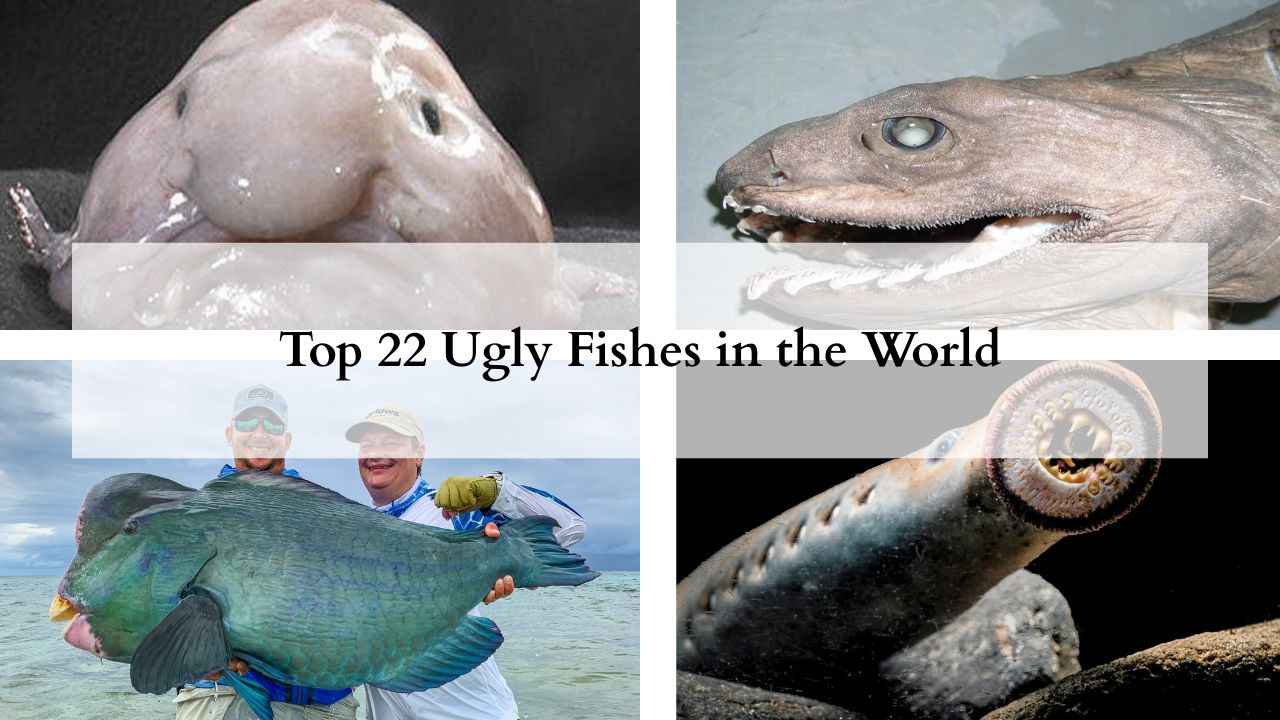
When we say “ugly fish,” we’re talking about fish that don’t match the human perspective of beauty. These creatures have bulging eyes, scary teeth, lumpy bodies, or weird skin.
The term “ugly fish” is subjective and has nothing to do with scientific classification.
It’s our human perspective judging creatures that evolved for different purposes than looking pretty.
Many of these called “ugly fish” live way down in the deep sea where it’s dark, cold, and under pressure.
The extreme conditions have made these fish develop some wild features.
We’re talking about see-through skin, glowing body parts, expandable stomachs, and jaws.
These adaptations aren’t about a fishy pageant, they’re about survival in one of Earth’s harsh environments.
Here in this post, I’m going to show you 22 of ugly fish.
We’ll check out why they look the way they do, where they live, and what makes them special beyond their unusual appearance.
What Makes Fish Look “Ugly”?
Many fish we consider “ugly” have developed special features that help them survive in environments.
Fish like the stonefish have bumpy, warty skin that helps them blend in with rocks and coral.
According to marine biologists at the Woods Hole Oceanographic Institution, these textures aren’t random.
The environment plays a role in how fish look.
Deep-sea fish face pressures greater than what we experience.
When scientists bring these fish to the surface, their bodies change shape because of the pressure difference.
The famous blobfish is a normal-looking fish in its natural habitat, but when brought to the surface, its body turns into that sad, droopy blob.
The pressure at 3,000 feet below the ocean keeps it looking more “normal”.
Light also changes how fish look over time.
In the deep ocean where sunlight can’t reach, fish develop pale or transparent skin, extra-large eyes to catch what light exists, or they create their own light through bioluminescence.
Top 22 Ugly Fish: The Strangest, Scariest and Bizarre Fishes Species
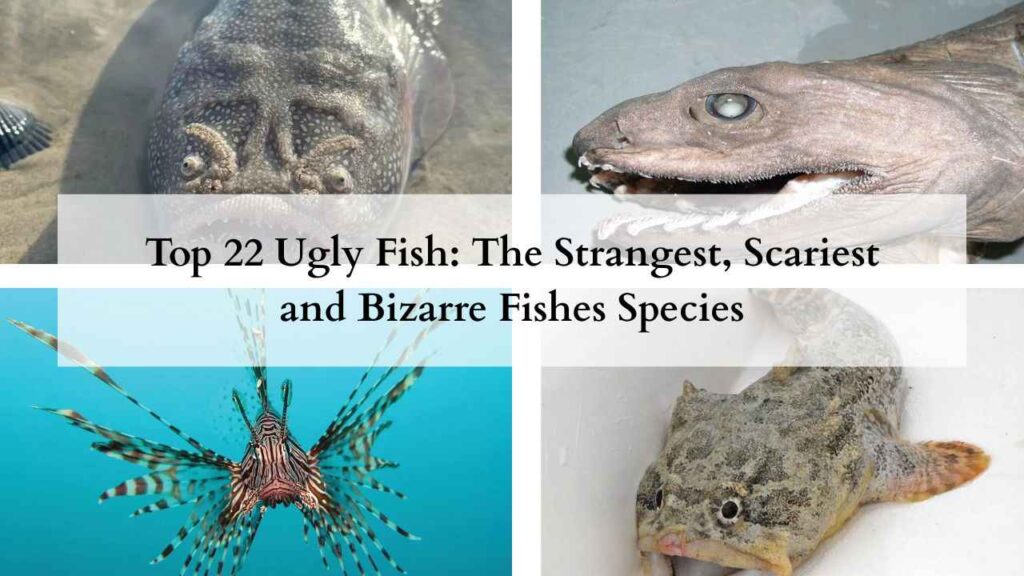
Let’s meet the ocean’s most unusual-looking residents.
These fish may not win any beauty contests by human standards, but each one is adapted for its environment.
From the depths of the ocean to tropical reefs, these creatures show how creative nature can be when survival is on the line.
Blobfish
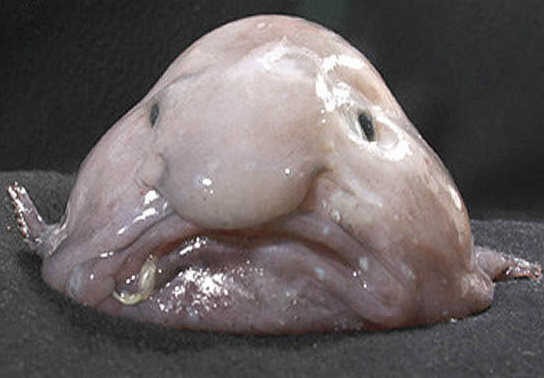
The blobfish became an internet sensation after being the “World’s Ugliest Animal” in 2013.
In its natural habitat around Australia, Tasmania, and New Zealand, living at depths between 2,000 and 4,000 feet, it looks normal.
When we bring it up to the surface, its body melts into that sad blob shape.
Its gelatinous body is designed for deep-sea pressure.
Down there, the blobfish uses less energy than other fish because it doesn’t have a swim bladder but it floats above the ocean floor.
Anglerfish
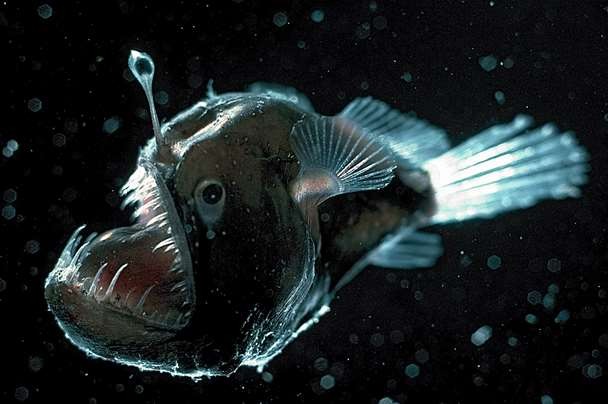
These deep-sea hunters have that famous glowing lure hanging from their forehead that acts like a fishing rod.
This bioluminescent lure attracts prey right to their massive mouths filled with needle-sharp teeth.
The female anglerfish can be up to 10 times larger than males.
The small males fuse to the female’s body and become parasites, turning into nothing but sperm-producing appendages.
Monkfish
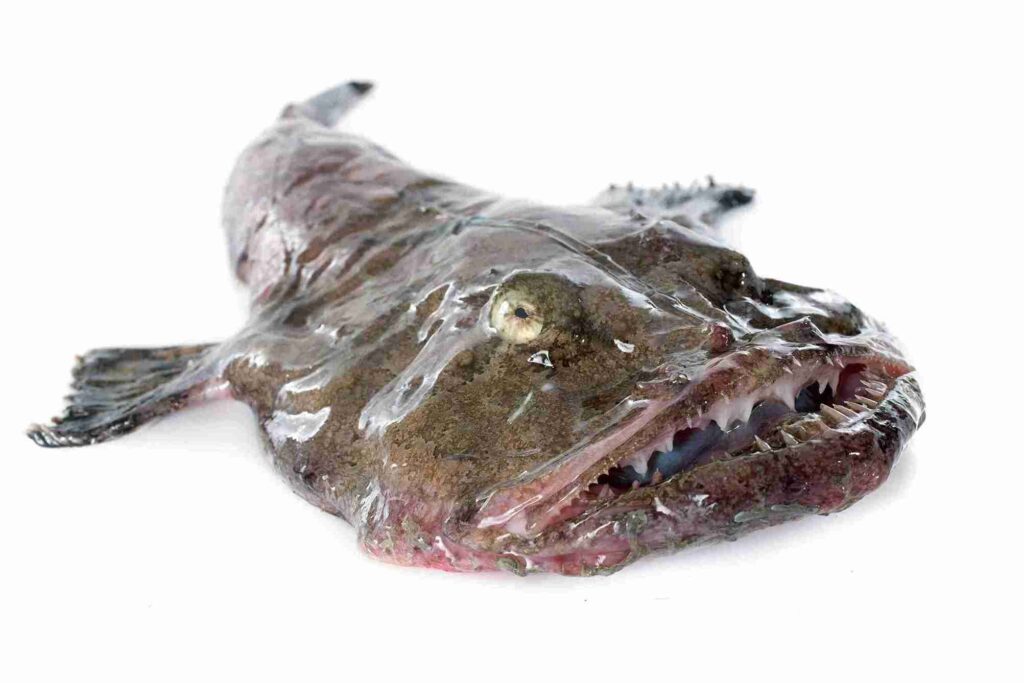
Monkfish are all mouth and stomach with a tail attached.
These bottom-dwellers have huge, flat heads with mouths full of sharp, backwards-pointing teeth.
They are on the ocean floor in the North Atlantic and Mediterranean, using a modified spine that acts as a fishing lure.
What’s different is that their appearance, monkfish, is a popular food.
Chefs call it “poor man’s lobster” because the tail meat is sweet and firm, similar to lobster.
Goblin Shark
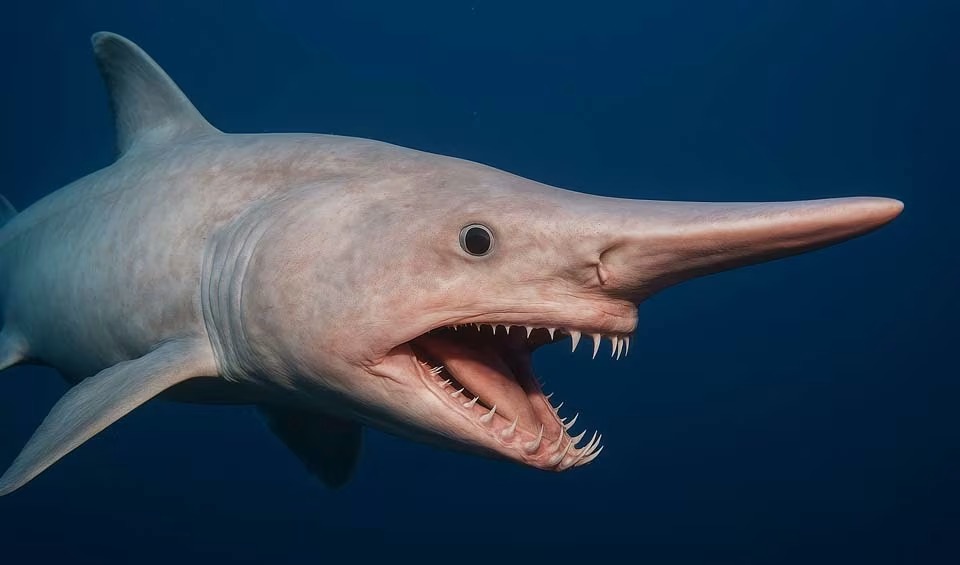
The goblin shark looks like from another planet with its long, flat snout sticking way out in front of its face. But the weird part is its jaws.
According to researchers at the Tokyo Sea Life Park, their jaws can extend the full length of their snout.
These pink-colored “living fossils” have changed in 125 million years, in deep waters around the world.
Their semi-transparent skin shows the blood vessels underneath, giving them the pink color.
Hag Fish
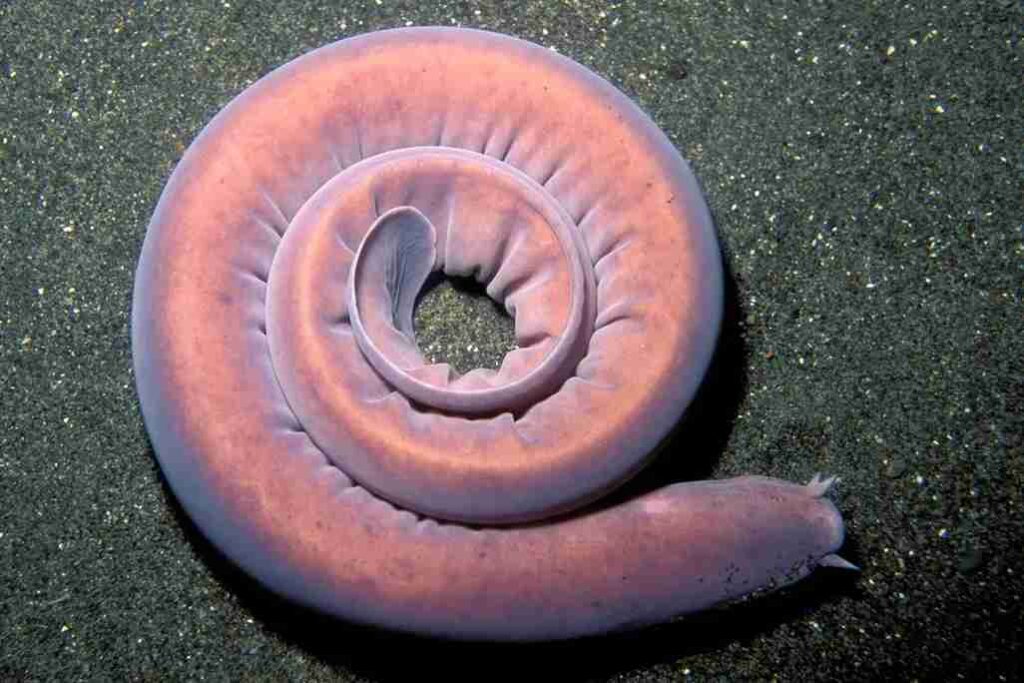
These eel-like creatures are famous for producing big amounts of slime when threatened.
This slime can clog the gills of predators, helping the hagfish escape.
They don’t have jaws or a stomach, and they’re blind.
Instead of biting their food, they use tooth-like structures to rasp away at dead and dying fish.
Sometimes they burrow INSIDE carcasses to eat them from the inside.
Fangtooth
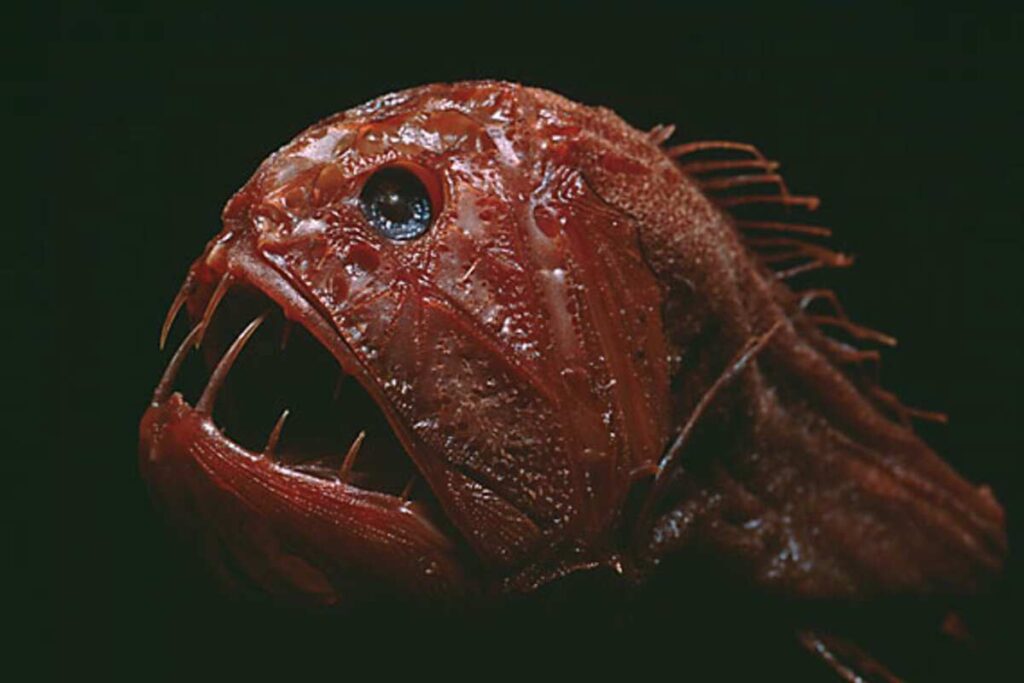
The fangtooth has large teeth.
These deep-sea hunters have teeth so big that they can’t close their mouths completely.
Special sockets in the roof of their mouth hold their lower fangs when they close their jaws.
Despite their appearance, fangtooth fish are small, less than 7 inches long.
They live in the twilight zone of the ocean and hunt by movement in the dark water.
Their small eyes don’t help in the darkness, but the teeth make sure that once they catch something.
Gulper Eel
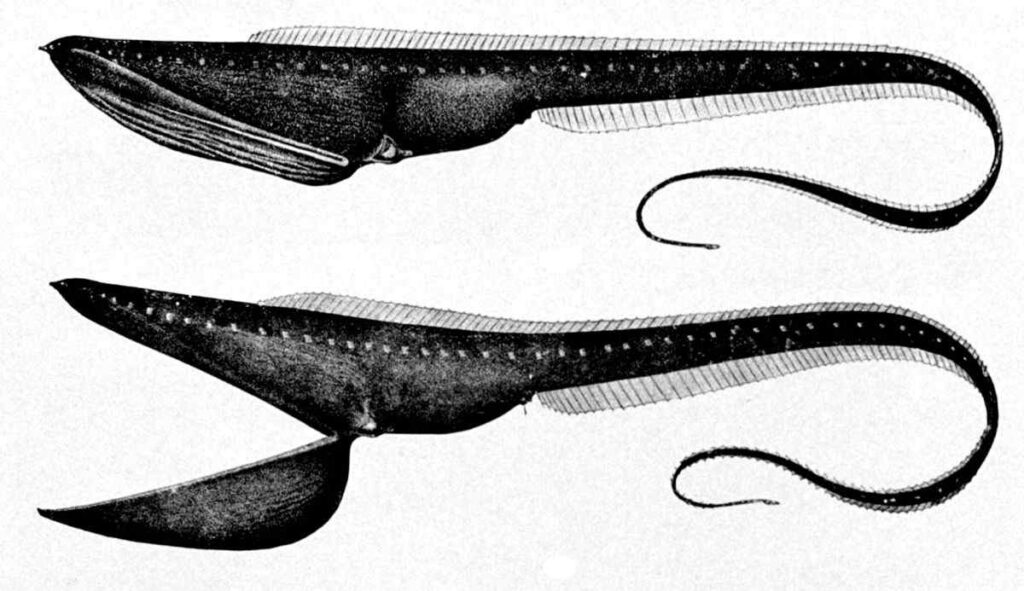
Imagine a fish that’s all mouth with a whip-like tail attached which is the gulper eel.
Also called the pelican eel, its jaw can unhinge to swallow larger prey.
Its stomach can stretch to hold the big meals.
Its tail has a light-producing organ at the tip that it waves around like a fishing lure.
Scientists from the Monterey Bay Aquarium Research Institute have recorded them twirling a tail tip to attract prey.
Frilled Shark
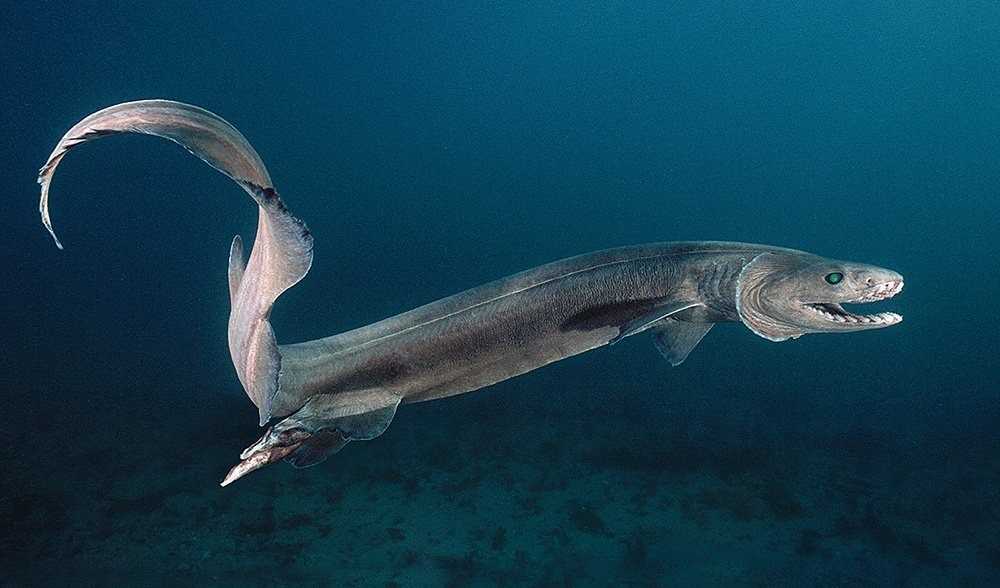
The frilled shark is the “living fossil” that has changed in 80 million years.
With its long, eel-like body and 300 trident-shaped teeth arranged in 25 rows, it’s built to grab and not let go.
These deep-sea sharks get their name from their gill slits, which form a frill around their necks.
They hunt by bending their bodies and lunging forward like a snake striking.
Marine biologists see them alive since they live between 500 and 4,000 feet deep.
Sloane’s Viperfish
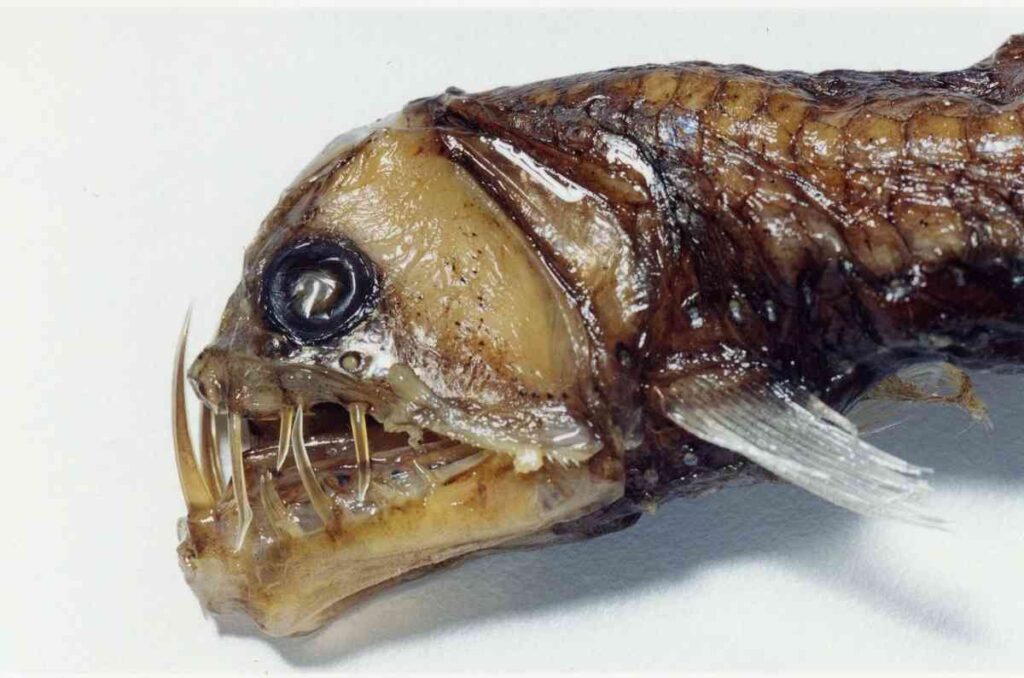
Sloane’s viperfish is one of the recognizable deep-sea monsters.
The massive fangs are so big that they don’t fit in its mouth, they curve back along the outside of its head when its mouth is closed.
It’s covered in light-producing photophores that run its sides and on its dorsal fin ray.
According to deep-sea experts at the Scripps Institution of Oceanography, the lights help attract prey or confuse predators in the deep ocean.
Stargazer Fish
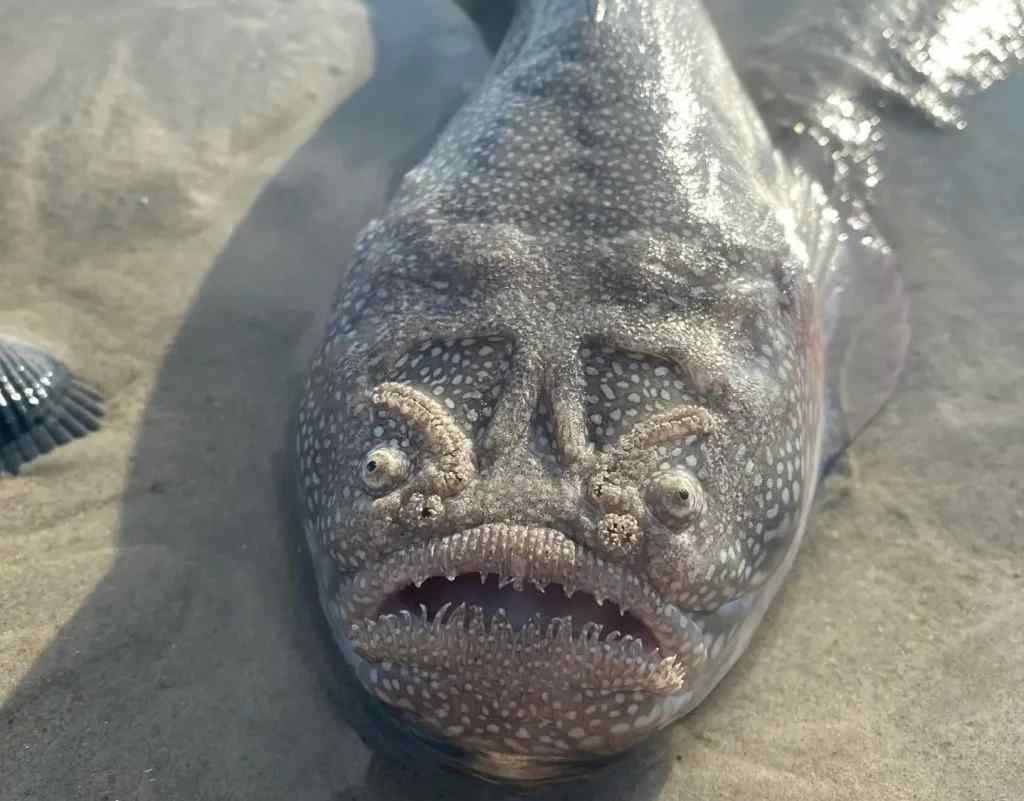
The stargazer fish can be the grumpiest-looking fish in the sea.
Its eyes and mouth are on top of its flat head.
It buries itself in sand with its eyes and mouth, waiting to ambush prey.
Some species can deliver electric shocks AND have venomous spines.
Marine biologists studying these fish have to be careful, they’re dealing with an electric, venomous, grumpy fish.
Wolf Fish
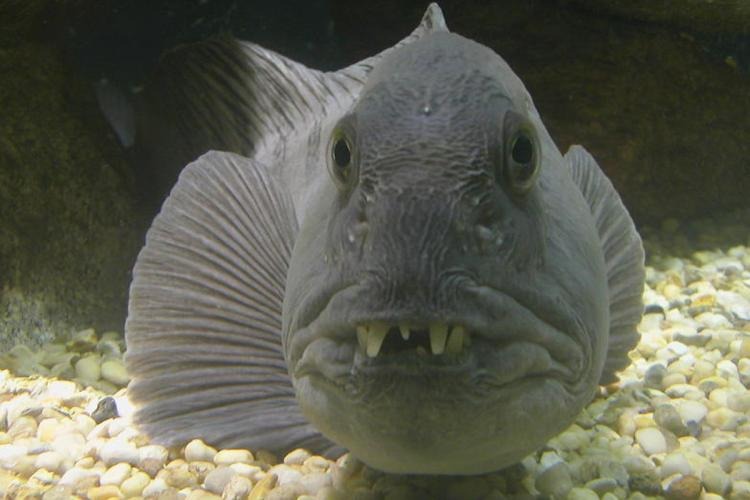
The wolf fish has a face full of teeth.
These powerful teeth aren’t for hunting other fish though, they’re for crushing sea urchins, crabs, and shellfish.
The powerful jaws can open the tough shells.
Despite their scary looks, wolf fish are chill. They’re not aggressive toward humans unless provoked.
But their numbers are dropping due to overfishing and habitat loss.
Scientists studying North Atlantic fisheries say they’re important for controlling sea urchin populations.
Toad Fish
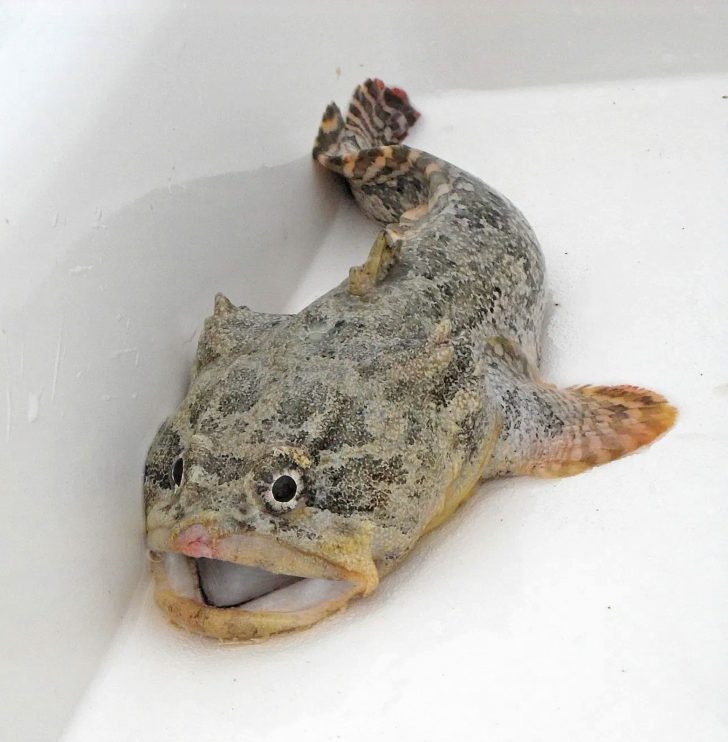
Toadfish have broad, flat heads, wide mouths, and grumpy expressions, they look like aquatic toads.
They make a sound that fishermen hear coming from their boats.
These ambush predators are on the ocean floor for small fish to swim by.
According to researchers at the University of California, the male toadfish can contract muscles around its swim bladder 200 times per second to produce a humming sound that attracts females during mating.
Lion Fish
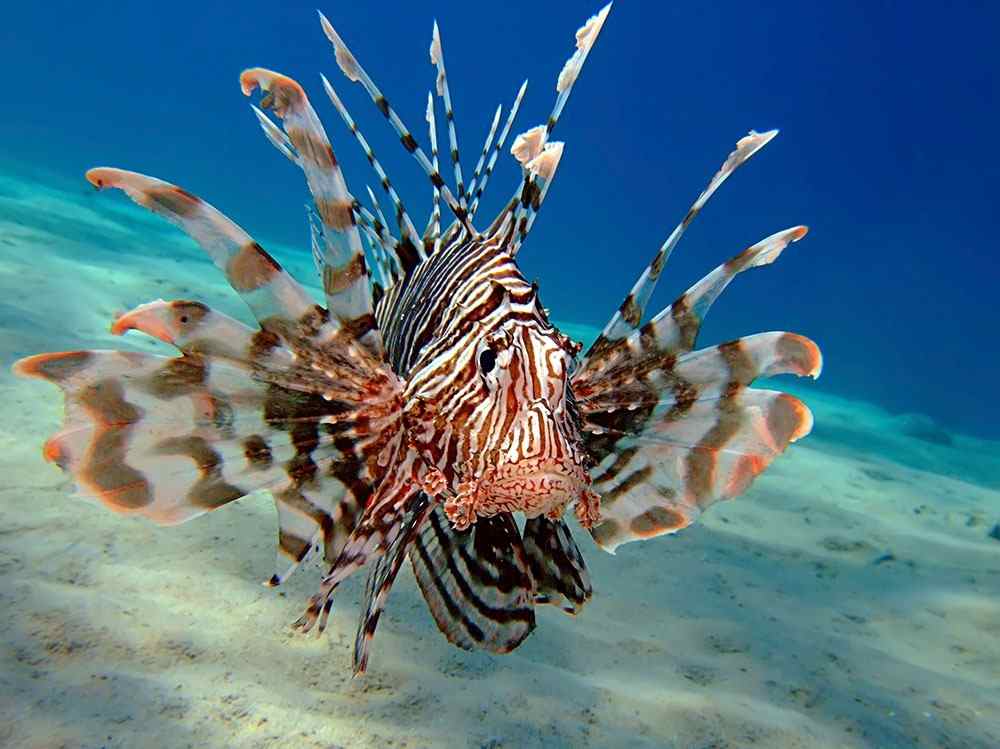
Lion fish are beautiful AND terrifying with their striped pattern and fan-like fins, they’re eye-catching but the spines are with venom that can cause pain in humans.
They’re like the best in the ugly fish world.
Native to the Indo-Pacific region, lion fish have become a nightmare in Atlantic waters.
With no natural predators in these territories, they’re munching their way through native fish populations.
Stone Fish
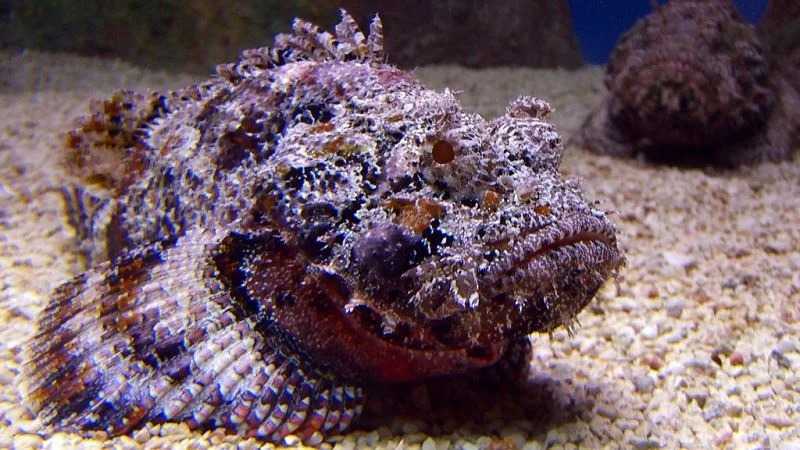
As the most venomous fish in the world, it doesn’t look pretty but it needs to be invisible and it’s REALLY good at that.
Its warty, textured skin looks like a rock covered in algae.
These masters of disguise can stay still for days while waiting for prey.
Their dorsal spines can inject venom that causes pain, tissue death, and even death if not treated.
Lancet Fish
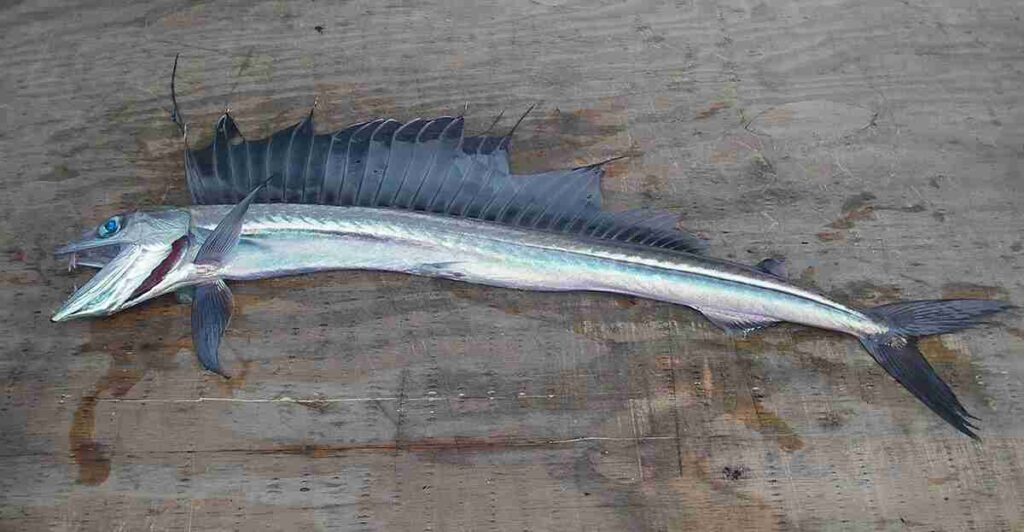
Its tall, sail-like dorsal fin and long, ribbon-like body make it one of the distinctive fish in the deep ocean, growing up to 6.5 feet long; these fish are predators.
Lancetfish are known cannibals.
Scientists examining their stomach contents find other lancetfish inside.
They also have the largest stomachs in the fish world, allowing them to digest the food.
Sheepshead Fish
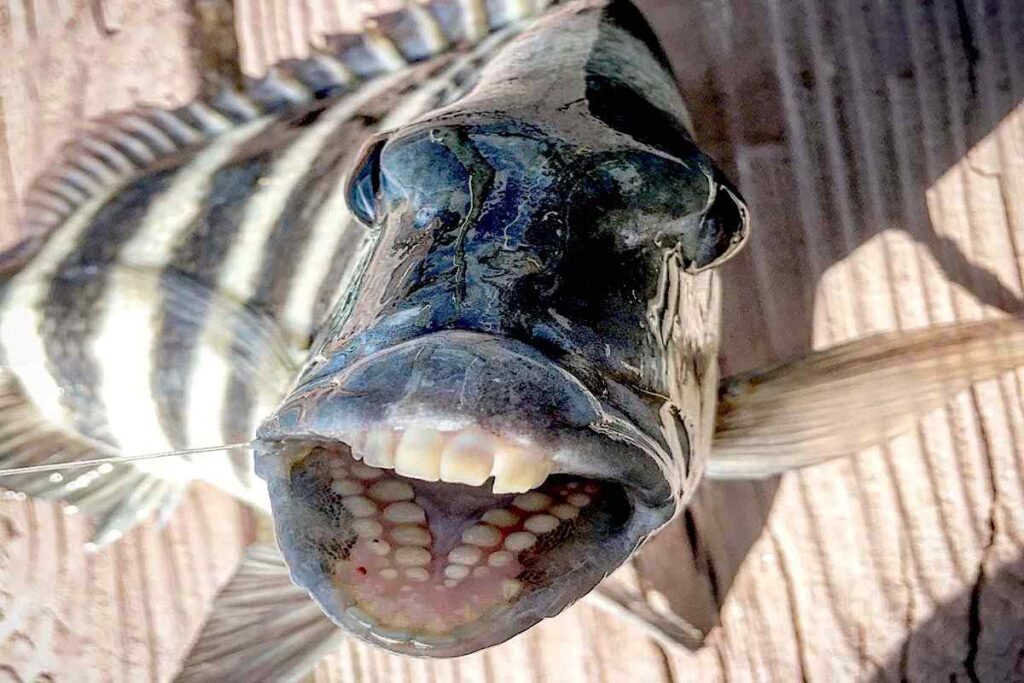
These coastal fish have unsettling smiles in the ocean, with teeth that look shockingly like ours including molars in the back of their mouths.
These teeth aren’t only for show but they’re perfect for crushing barnacles, crabs, and oysters.
Fishermen along the Atlantic coast say they are good at eating, despite their bizarre dental.
Psychedelic Frogfish
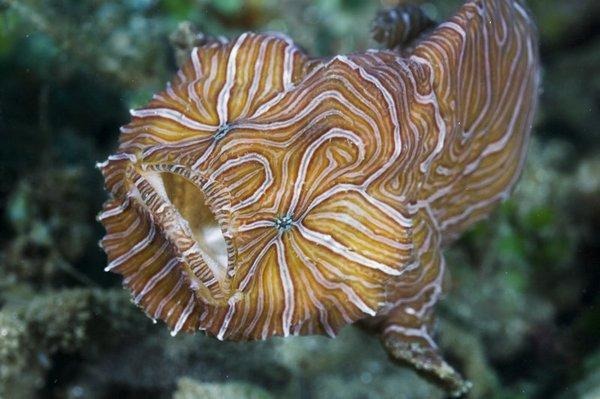
The psychedelic frogfish looks wild.
Discovered in 2009 off Indonesia, this fish has swirling white lines on an orange body that makes it look like a living piece of abstract art.
Like other frogfish, it uses a modified dorsal fin as a fishing lure, but its bizarre coloration helps it blend in with coral and sponges in its habitat.
Scientists at the University of Washington who first documented the species say it can change from white to beige to dark brown.
Lamprey
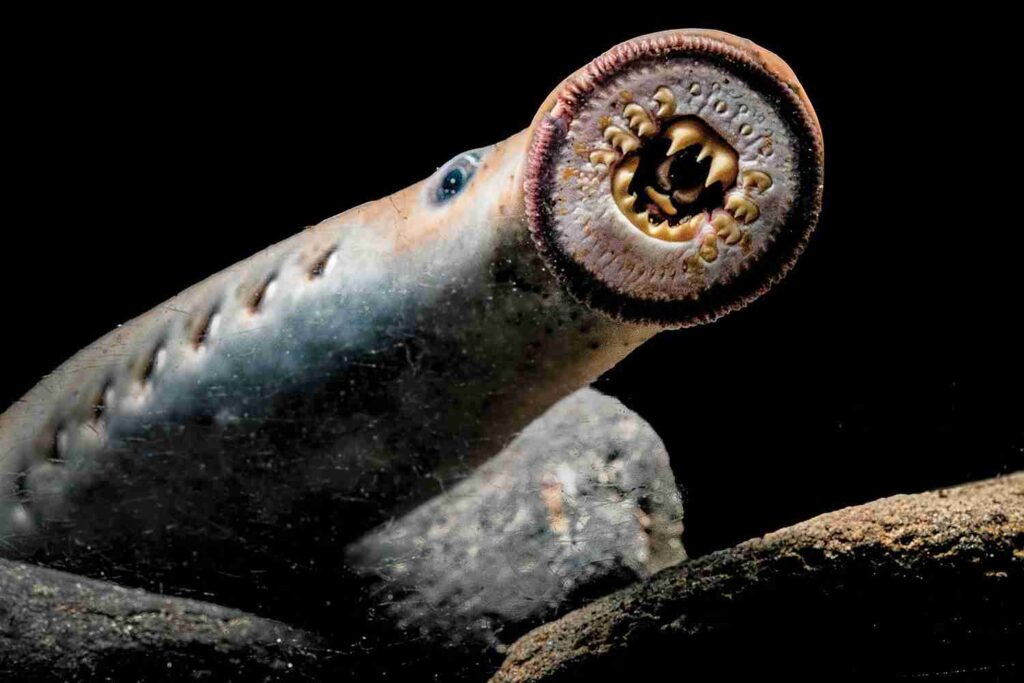
These ancient, eel-like creatures have been around for 360 million years and look straight out of a horror movie.
Instead of jaws, they have a circular sucker mouth filled with rings of razor-sharp teeth.
Many lamprey species are parasitic, attaching to other fish and using their teeth to rasp away flesh and drink blood.
Great Lakes fisheries have spent millions trying to control sea lampreys that devastated fish populations after invading through shipping canals.
Barreleye Fish
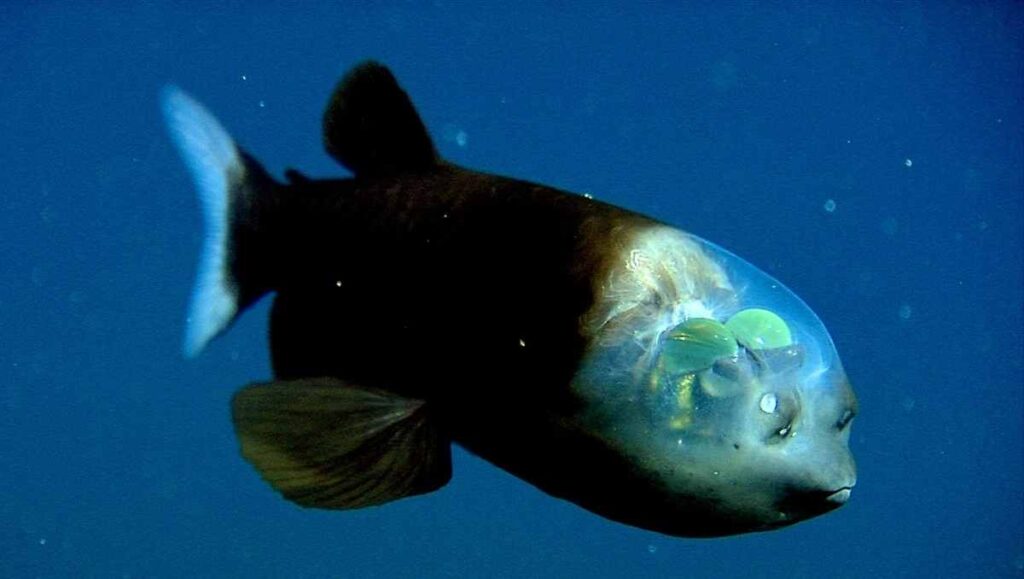
The barreleye fish looks like something dreamed of in sci-fi. Its bizarre feature is its transparent head filled with fluid, through which you can see its tubular, green-glowing eyes.
These eyes can rotate to look upward or forward.
The transparent head acts like a fighter cockpit, giving the fish a wide field of vision to spot prey swimming above it.
Giant Grenadier
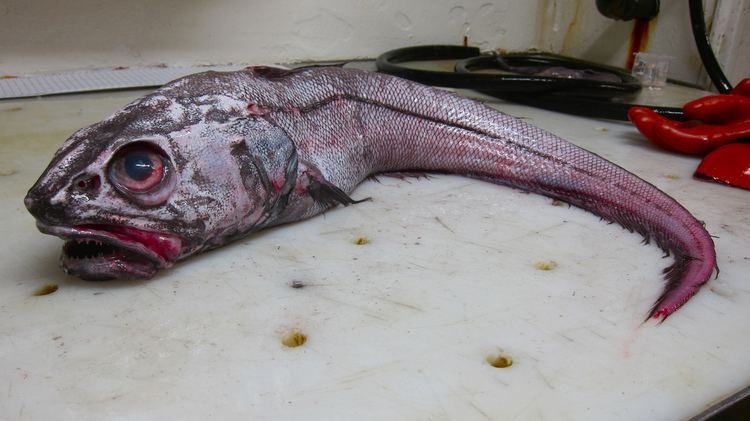
The giant grenadier looked like a normal fish but with a touch of taffy.
With a large head that tapers to a thin, whip-like tail, these deep-sea fish can grow up to 4 feet long but weigh.
These fish are important scavengers in the deep sea, cleaning up dead animals that sink to the ocean floor.
While not targeted by fisheries, they’re caught in deep-sea trawling nets.
Bat Fish
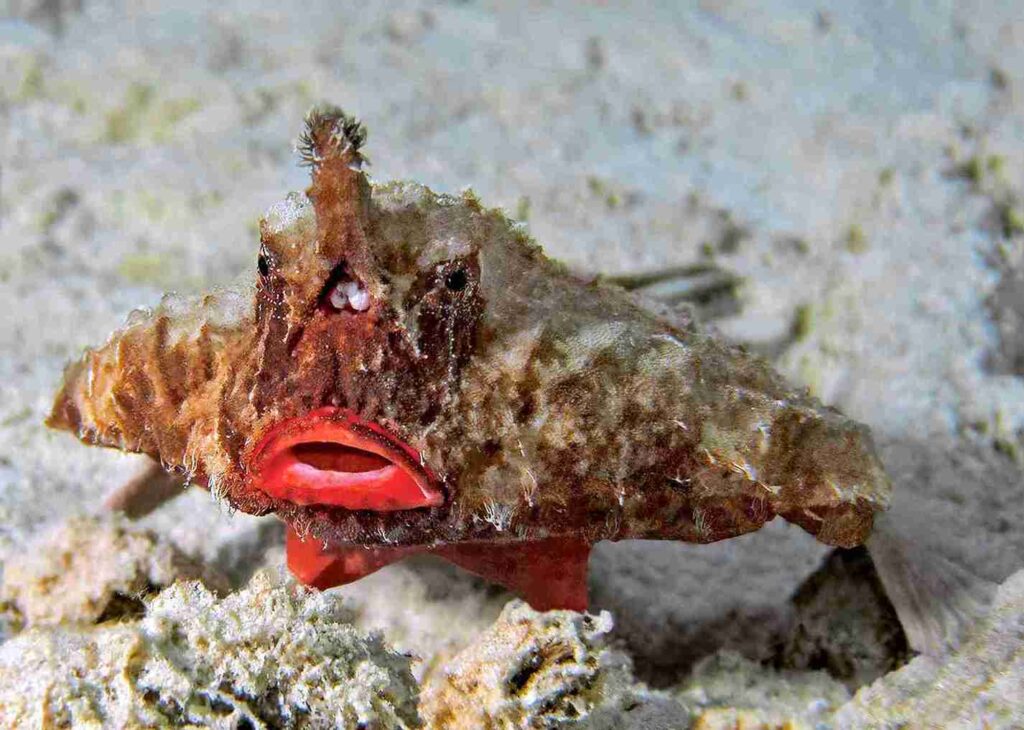
These flat, pancake-shaped fish have modified fins that they use like legs to “walk” across the ocean floor.
Their pectoral fins look like bat wings when spread out.
The red-lipped batfish from the Galapagos has bright red lips that researchers believe that it helps attract mates.
They’re terrible swimmers but excellent at crawling along the seafloor looking for worms and small crustaceans.
Bumphead Parrot Fish
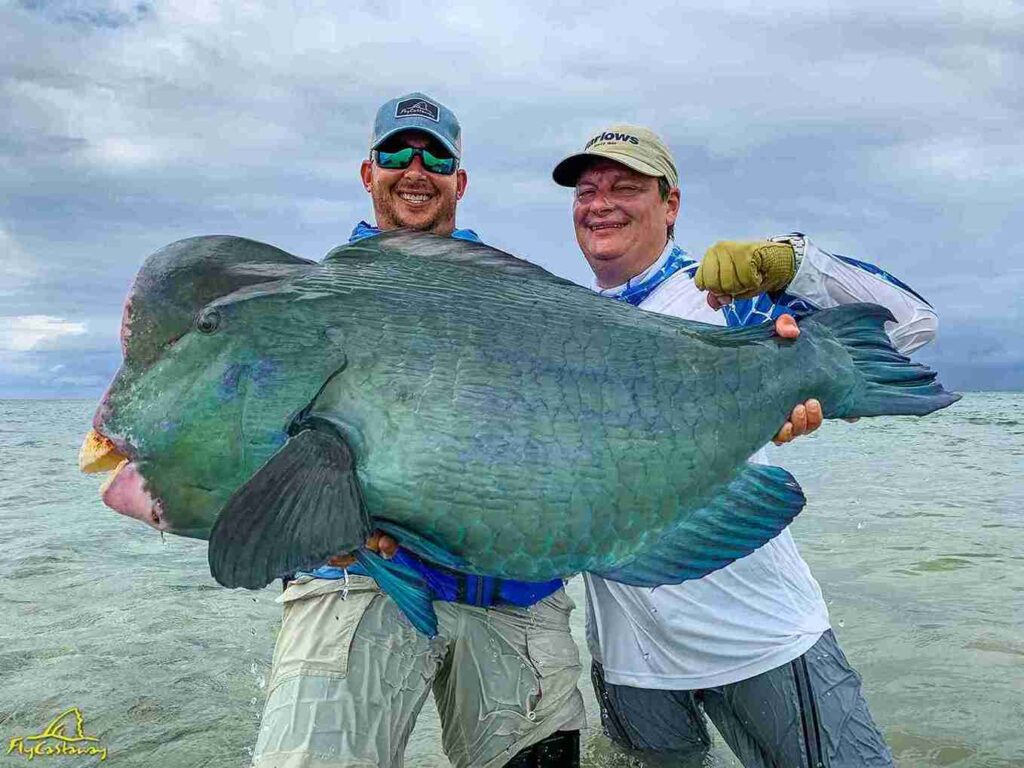
The bumphead parrotfish looks like it ran headfirst into a wall.
These massive reef fish have a bulging forehead and parrot-like beaks made of teeth. They use these powerful beaks to chomp on coral.
These fish are important for coral reefs.
According to research from Australia’s Great Barrier Reef Marine Park Authority, one adult bumphead can produce over 5 tons of sand per year through its poop.
Do ugly fish taste good to eat?
Monkfish is known as “poor man’s lobster” for its sweet, firm flesh that resembles lobster meat.
It’s a staple in French cuisine and growing in popularity.
Restaurants in coastal New England have it on their menus.
Lionfish, despite being venomous, has delicate white meat that many chefs compare to snapper or grouper.
There’s a campaign called “Eat the Invaders” that encourages people to eat lionfish to help control their populations in the Atlantic.
Some ugly fish are definitely NOT on the menu.
Blobfish, anglerfish, and many deep-sea species have soft, gelatinous flesh that wouldn’t be appealing to eat.
And others, like the stonefish, are dangerous to handle without special training.
Conclusion
After looking at these 22 ugly fish, I hope you see them differently now.
They may not win beauty contests by human standards, but each one is designed for its environment.
The weird features that make us call them “ugly” are survival adaptations.
The next time you see a picture of a blobfish or anglerfish, remember that down in the deep ocean, they’re living their best lives.
Their strange looks help them survive in some of the most environments on our planet.
These 22 ugly fish species tell us that despite being ugly or weird they are still playing a role for nature and many people are considering them to eat and have them on their menus and their see-through skin, glowing body parts, expandable stomachs, and jaws make them different.