
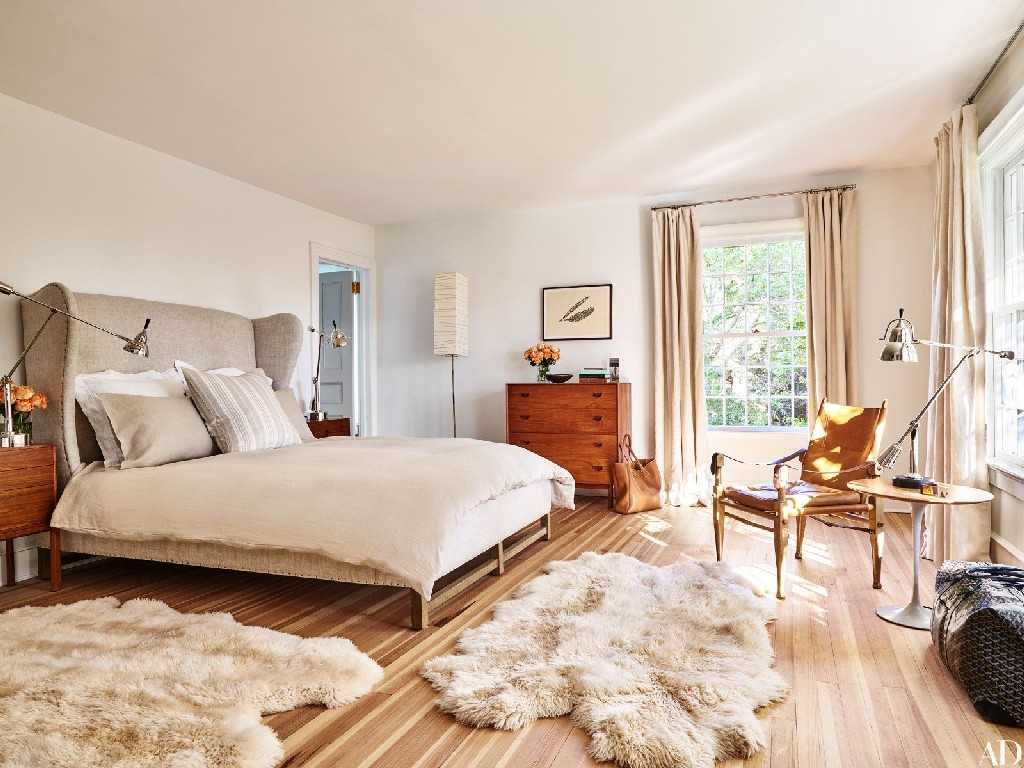
Want to make a bedroom a true sleep sanctuary?
If you’re like most people, you don’t realise just how much the bedroom environment can affect sleep quality.
It’s true… The colour on the walls, the texture underfoot, and even the lighting choices all play a role in how well (or not so well) someone sleeps each night.
The good news is, making a bedroom more comfortable doesn’t have to mean tearing it all down and starting from scratch.
Small, intentional changes to decor can make a huge difference in sleep quality.
In this guide, we’re going to cover:
- Why Bedroom Decor Affects Sleep Quality
- Colour Psychology for Better Rest
- Essential Comfort Elements That Work
- How to Layer Textures for Maximum Comfort
- Lighting Strategies for Sleep
Why Bedroom Decor Affects Sleep Quality
Your bedroom is where your body recovers from the day, recharges for the next one, and transitions between.
It’s pretty much the most important room for good sleep hygiene.
But here’s the thing…
Most bedrooms aren’t optimised for rest.
The global sleep industry hit $585 billion in 2024 according to research from a leading sleep site.
That’s a lot of money on mattresses, sheets, pillows, sleep tech, sleep aids, and more.
And it starts with the bedroom itself.
Every element of the room, from the colour of the walls to the materials in the bedding, sends signals to the brain.
Some of these signals are about promoting relaxation and calm.
Others can be more subtle but still create stress or anxiety that causes sleep to be disrupted.
Picking the right bedroom comfort and decor setup means knowing what works and sticking to it.
That includes things like mattresses by Essentia that support the body’s natural sleep positions while still fitting in with the overall aesthetic of the room.
The foundation matters. But so does everything that surrounds it.
Colour Psychology for Better Rest
Colour is one of the most underrated decisions for bedroom comfort.
In one study, 38% of Americans reported improved sleep after repainting their bedroom.
It’s an amazing jump from just a little paint.
But what colours work best? Sleep experts point to several specific options every time.
- Blue – this colour is consistently linked to calmness and can even help reduce heart rate
- Green – evokes the feeling of nature and renewal
- Beige – a warm, not overstimulating neutral
- Soft white – minimises distractions and feels clean
- Light pink – nurtures feelings of comfort
The worst colours for sleep? Red, purple, dark brown, and black. All tend to be overstimulating or too much on the mind.
P.S. Brightness matters just as much as colour.
Bright yellow feels energising while muted sage green is tranquil. Always choose muted, softer versions of the colours that work best when selecting bedroom decor.
Essential Comfort Elements That Work
Colour is just one part of the puzzle.
There are several key factors that all contribute to bedroom comfort and decor success.
Each one builds off of the other to create a cohesive sleep environment.
Temperature Control
Most people need a bedroom temp between 60-67°F for optimal comfort.
Too warm and the body struggles to cool during sleep. Too cold and the environment becomes uncomfortable.
Some decor additions to help with temp control:
- Breathable cotton or linen bedding
- Ceiling fans with reversible settings
- Blackout curtains that double as insulation
Clutter-Free Space
Visual clutter is mental clutter. Scanning a messy bedroom with the eyes keeps the brain in an alert state, making it harder to relax.
Easy storage is the biggest game changer for keeping a room feeling clean.
Under-bed baskets, bedside tables with drawers, and wall-mounted shelves let you hide essentials but still have them right where you need them.
Sound Management
Noise is more of a sleep disruptor than most people realise.
White noise machines, soft area rugs, and heavy curtains are a few decor options that can all contribute to a quieter environment.
How to Layer Textures for Maximum Comfort
Texture is the secret weapon for bedroom comfort and decor.
Let’s face it…
Stepping barefoot on cold tile feels very different from standing on a plush rug. And those sensory experiences are important when you’re trying to relax.
Layering textures effectively means:
- Soft rugs by the bed for warmth underfoot
- Layered bedding in varying weights for different seasons
- Velvet or cotton cushions to add visual and tactile interest
- Knit throws draped over the foot of the bed
The trick is variety without overwhelming the space.
Pair smooth surfaces with textured ones. Crisp sheets with a chunky knit blanket.
A lot of rooms suffer from “too much of a good thing” syndrome. If every texture is shiny and smooth, the room feels cold and unwelcoming. Variety and balance are key.
Lighting Strategies for Sleep
Lighting is another major factor in how the brain determines when it’s time to sleep and when it’s time to wake.
The circadian rhythm and production of melatonin, the “sleepy” hormone, are directly impacted by light cues.
Harsh overhead lighting in the evening, for example, is going to suppress melatonin and make it harder to fall asleep.
Some smart lighting strategies for the bedroom include:
- Dimmable overhead fixtures that lower as the evening progresses
- Warm-toned bulbs rather than cool white LEDs
- Soft, diffused light from bedside lamps
- Blackout curtains to cut out outside light pollution
Daytime natural light is important too.
Open curtains in the morning to reset the circadian rhythm and promote better sleep at night.
Even for book lovers who like to read in bed, a small reading light with warm tones is much better than flipping on a bright overhead fixture.
Personalisation: The Final Touch
One of the most important, and often overlooked, parts of creating a relaxing bedroom is personalisation.
Every person is different when it comes to finding what’s truly comforting.
Some people love a minimalist bedroom with crisp lines and neutral tones.
Others can’t get enough of rooms filled with personal touches, artwork, and collected treasures.
Neither of these approaches is “wrong”.
The key is creating a space that feels most authentically calming to the individual. Personal touches might include:
- Family photos in unobtrusive, calming frames
- Artwork that evokes peaceful emotions
- Plants to purify the air and add some life
- Scented candles or diffusers using lavender or chamomile
Items like these turn a “generic” bedroom into a personal retreat. When it truly feels “home”, relaxation is much easier to come by.
Wrapping Things Up
As you can see, creating the ultimate bedroom comfort and decor setup doesn’t have to require endless money or professional interior design services.
Strategic decisions around colour, texture, lighting, and personalisation can transform how restful and rejuvenating sleep becomes.
To recap, here are a few ideas that work:
- Calming colours like blue, green, or soft neutral tones
- Texture layering for visual and tactile comfort
- Controlling temperature, light, and sound
- Investing in a quality sleep foundation
- Adding personal touches that feel calming
Baby steps lead to big changes.
Tackle one element, master it, and then move to the next. Better sleep awaits.