
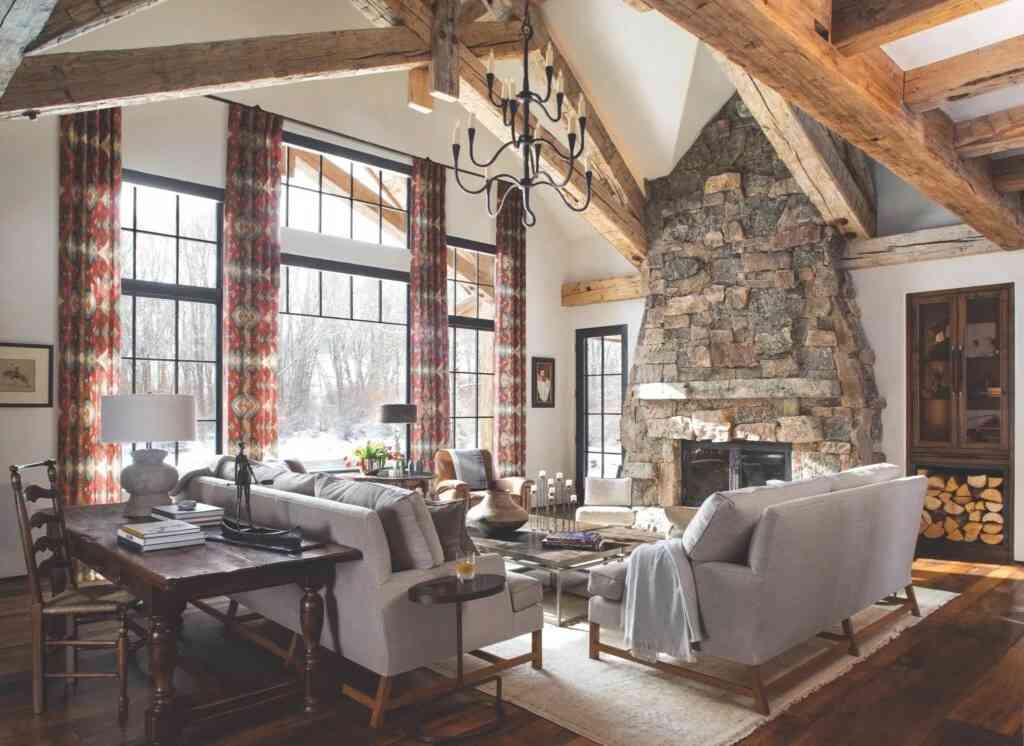
Mountain life sells a dream, crisp air, and serene mornings.
A fireplace crackles while snow falls outside. It sounds perfect. And it can be.
But cozy mountain homes come with hidden costs many people don’t see until they’ve unpacked the boxes.
If you’re thinking of moving to the mountains, here’s what the lifestyle looks like beyond the Instagram glow.
Why Do Seasons Hit Harder in the Mountains?
Mountain weather is incomparable to city weather.
In places like the Asheville area, temperatures swing fast.
Winters can be mild one year and snowy the next. According to local forecasts, winter 2026 could bring measurable snowfall across
Western North Carolina despite warmer averages tied to La Niña patterns.
Add higher elevations and sudden cold snaps, and your home works harder year-round. Heating bills rise.
Roofs take a beating. Roads ice faster than expected.
Fireplaces Are Cozy and High Maintenance
Fireplaces and wood-burning stoves are mountain-home staples.
They’re also one of the most overlooked expenses. Nobody knows this better than Asheville natives.
Burning wood creates creosote buildup, which raises fire risk and hurts airflow. Chimney sweep services for Asheville residents aren’t optional. They’re safety basics.
Chimney services help mountain homeowners keep their chimneys and wood-burning fireplaces clean, functional, and safe through heavy-use seasons.
Skip this, and you risk fire hazards, structural integrity, or worse.
Cozy shouldn’t mean dangerous. Flue Fighters suggests hiring a company specializing in chimney inspections, cleaning, and repairs.
Utility Costs Add Up Fast
Mountain homes mainly rely on propane, wood, or electric heat. All these cost more than you expect.
Power outages are also more common in wooded, elevated areas. Many families invest in:
- Backup generators
- Wood storage
- Higher insulation standards
Mansion Global explains that utility costs in mountain regions climb well above national averages, particularly in colder zones.
It’s a dealbreaker worth budgeting for.
Maintenance Is a Lifestyle, Not a Chore
Mountain homes age faster. Moisture. Snow load. Wind. Wildlife. Trees fall. Leaves clog everything.
Buyers seldom anticipate hidden ownership costs, including higher repair budgets and specialized contractors.
Log cabins and rustic builds look charming.
However, Realtor.com warns buyers that they demand serious upkeep, from sealing wood to pest prevention.
Cozy Design Isn’t Cheap
Mountain homes are beautiful when they feel warm and inviting.
That vibe is intentional. It’s layered lighting. Natural textures. Smart layouts.
Design guides suggest mixing rustic elements with modern lines to avoid a dated or dark appearance. Contemporary mountain homes should focus on warmth without clutter.
Houzz also shows how thoughtful decor choices transform cabins into livable family homes, not just weekend escapes.
Even celebrity mountain homes take this balanced approach. Kendall Jenner’s “grandma chic” mountain retreat demonstrates that cozy doesn’t mean outdated.
Why Do Rentals and Second Homes Come With Extra Costs?
If you’re buying a mountain home as a rental or part-time residence, costs multiply.
Furnishings must be durable. Heating systems must be reliable. Maintenance can’t wait.
Momtrends stresses that cozy mountain properties require practical upgrades, not pretty throws and wood accents.
Comfort is a feature. But durability pays the bills.
Snow Changes Everything
Mountain roads aren’t forgiving.
Snowfall doesn’t need to be dramatic to disrupt daily life. School delays. Missed work. Grocery runs that feel like expeditions.
Even light snow events can impact travel across nearby towns and elevations. Four-wheel drive isn’t optional. Neither is patience.
Mountain homes aren’t money pits. They do, however, punish underprepared buyers.
The real cost isn’t financial. It takes time, maintenance, and awareness.
If you plan well, mountain living delivers unmatched peace, beauty, and family memories. If you don’t, that cozy dream can feel expensive fast.
One More Thing Most Buyers Don’t Expect
Mountain living changes how you plan your time. Errands take longer.
Deliveries get delayed. Contractors aren’t always available on short notice. When something breaks, it’s rarely a quick fix.
That slower pace can be a gift or a frustration. It forces you to plan and think seasonally.
If you love self-reliance and routine, then this lifestyle fits beautifully.
If you expect convenience on demand, it can feel heavy. Preparation makes all the difference.
The Ultimate Trade-Off
Mountain living is magical. It’s also honest.
The weather shows up. Homes demand care. Fireplaces need attention. Cozy costs something.
For families ready to plan, budget, and adapt, the trade-off is worth it: still mornings and star-filled nights. A home that feels like a retreat.
Go in with your eyes open because cozy feels better when it’s safe, prepared, and built to last.