
Property investors are buying homes across the globe like never before.
But there’s one aspect of having investments in multiple countries that gets consistently overlooked: vehicles.
You see…
Real estate investors with holdings in other countries don’t visit their properties just once. In-person management is required over the long haul.
Property inspections, overseeing renovation projects, and building relationships with tenants and local business partners all require consistent transportation.
Renting vehicles for each trip gets old fast. Not to mention the ongoing expense it represents.
This is why international auto transport is such a key consideration for serious real estate investors.
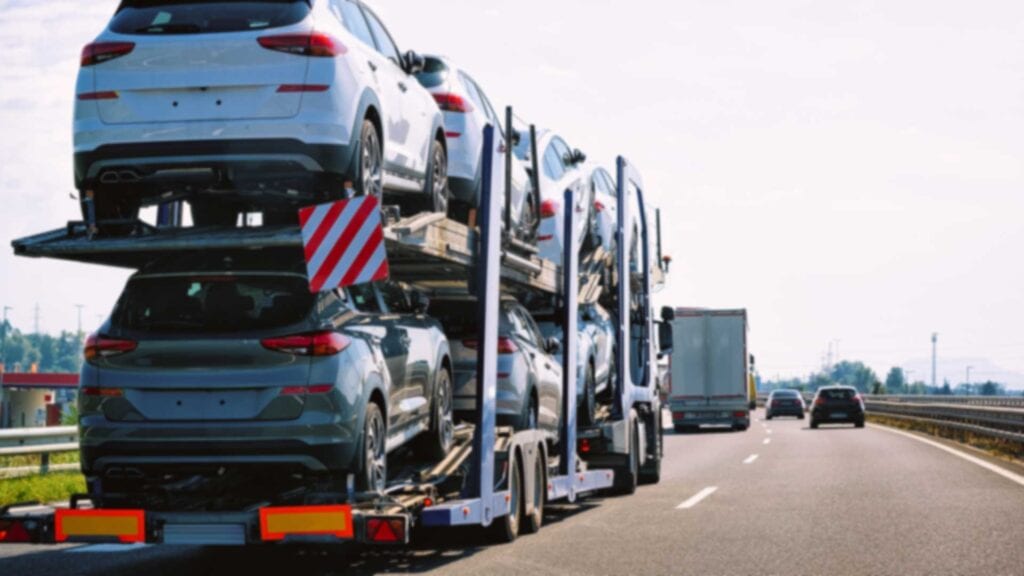
In this guide, we’re going to break down why property investors need to ship vehicles for international real estate, the connection between auto transport and real estate investment, and what steps you should take when shipping your vehicle(s) abroad.
Without further ado…
Why Real Estate Investors Need International Auto Transport
Let’s look at it from a practical perspective…
Buying a vacation home, investment property, or commercial building is only part of the investment equation.
Managing that property in a foreign country means having a vehicle that allows you to show up on your own schedule.
Flying into a country and then having to wait hours to get a rental car is a major inconvenience.
Foreign buyers purchased $56 billion worth of existing US homes between April 2024 and March 2025 according to NAR.
Investors in other countries own properties in the US too. It’s a global phenomenon.
So when real estate investors need to move vehicles for their properties abroad, international auto transport becomes an essential part of operations.
Property investors need the freedom to show up in person when they want without having to coordinate a separate rental vehicle each time.
They can ship a vehicle to investment property locations without headaches and have a car or truck available when they arrive.
The bottom line:
When you have properties spread across multiple countries, it’s more efficient to have dedicated vehicles at each investment location.
The Connection Between Property Investment and Vehicle Logistics
International real estate investing has never been more popular.
Portfolio diversification is a critical concept for savvy investors. Increasingly, investors are spreading property investments across multiple countries to mitigate risk and capture local market opportunities.
Vacation rentals are particularly attractive to global investors. And it’s not just US real estate. Buyers from the US, Canada, and the UK all own properties in other countries as well.
That creates a challenge. Vehicle shipping for international real estate is a topic that most investor-focused publications never mention.
Let’s take a look at some examples:
- A real estate investor owns vacation rentals in Mexico
- An investment property portfolio includes commercial properties in Canada
- Investment properties span multiple US states that require frequent travel
In each of these scenarios, there is a significant benefit in having dedicated vehicles at investment property locations.
The global automotive logistics market is expected to reach $526.26 billion by 2032, growing at a 7.5% CAGR according to Fortune Business Insights.
The growth in the automotive logistics market is a direct reflection of the demand from real estate investors and business owners who need cross-border vehicle transport.
How To Choose the Right Auto Transport Strategy
Smart investors know that the right shipping method can save thousands of dollars over time.
Different auto transport options exist for different investment needs.
You’ll save money and have a better experience by educating yourself first.
Open vs. Enclosed Shipping
Open transport is ideal for most vehicles that tolerate normal road conditions well.
Enclosed transport is an option for luxury or specialty vehicles that demand a higher level of protection.
Most vehicles won’t require enclosed transport at any investment property location.
It’s better to save the additional expense for luxury vehicles that warrant it.
Door-to-Door vs. Terminal Shipping
Door-to-door shipping will cost more money. But it also eliminates most logistical headaches.
Terminal shipping is cheaper but requires arranging transport from the local terminal to your desired property location.
For real estate investors with multiple properties, door-to-door transport makes more sense.
The convenience and time savings are worth the extra cost.
Timing Considerations
Peak seasons in the automotive logistics industry lead to higher demand and higher pricing.
The industry’s peak shipping season is late summer and early fall.
Planning vehicle shipments during off-peak times can reduce prices by 15-25% in many cases.
A savvy real estate investor who knows when they’re going to purchase an investment property coordinates the vehicle shipment schedule to arrive just after closing.
Cost-Saving Tips for Investor Vehicle Shipping
Nobody likes to feel like they’re overpaying for auto transport.
Here are some tried-and-true ways to drive down prices:
- Get multiple quotes from different providers
- Be flexible with your vehicle transport dates
- Consolidate vehicle shipments when possible
- Understand what’s included in the insurance coverage
- Book shipments in advance
Due diligence is important in all aspects of real estate investing. It pays dividends when you apply the same principles to auto transport logistics.
What Makes International Shipping Different
Crossing international borders adds new variables to the equation.
Customs paperwork, import regulations, and insurance requirements are a few additional logistics that jump into play when shipping cars for real estate abroad.
Partnering with a provider that specializes in international routes and has deep experience in customs and import logistics will make all the difference.
Take note of these considerations:
- Customs requirements for your destination country
- Import duties (calculation and timing)
- Vehicle registration at the destination
- Insurance coverage (multi-jurisdictional issues)
Each of these factors can come back to bite you if you don’t have an auto transport partner that’s proactive in managing the details.
Building a Vehicle Strategy for Your Portfolio
Planning is a big part of what makes smart investors successful.
Real estate investors with international properties don’t just look at the purchase and management of the property in isolation.
Vehicle logistics should be part of the overall strategic plan as well.
Do you really need a personal vehicle at each investment property location? Or does leasing locally make more sense?
Take a full inventory of each location, how frequently it requires in-person management, and which types of vehicles make the most sense given the local terrain and climate.
Tying It All Together
Your real estate investments need to be supported by excellent transportation logistics.
International auto transport is often an afterthought.
It’s a pain point rather than a competitive advantage.
But real estate investors that think strategically about vehicle logistics can reap a ton of rewards over the long term.
To summarize this guide, some of the biggest advantages are…
- International real estate investing requires reliable transportation solutions
- Shipping your personal vehicles across borders beats rental fees over time
- Door-to-door auto transport (open vs. enclosed) depends on the individual property and your needs
- Planning ahead and comparison shopping saves thousands of dollars
- Choosing the right auto transport partner simplifies international shipments
Stop skimping on your investment property transportation needs.
Think of vehicles the same way you do real estate and your overall strategy will improve.
If your next real estate investment property purchase is going to require vehicle transport, now is the time to get in touch with a trusted provider and schedule that shipment.