
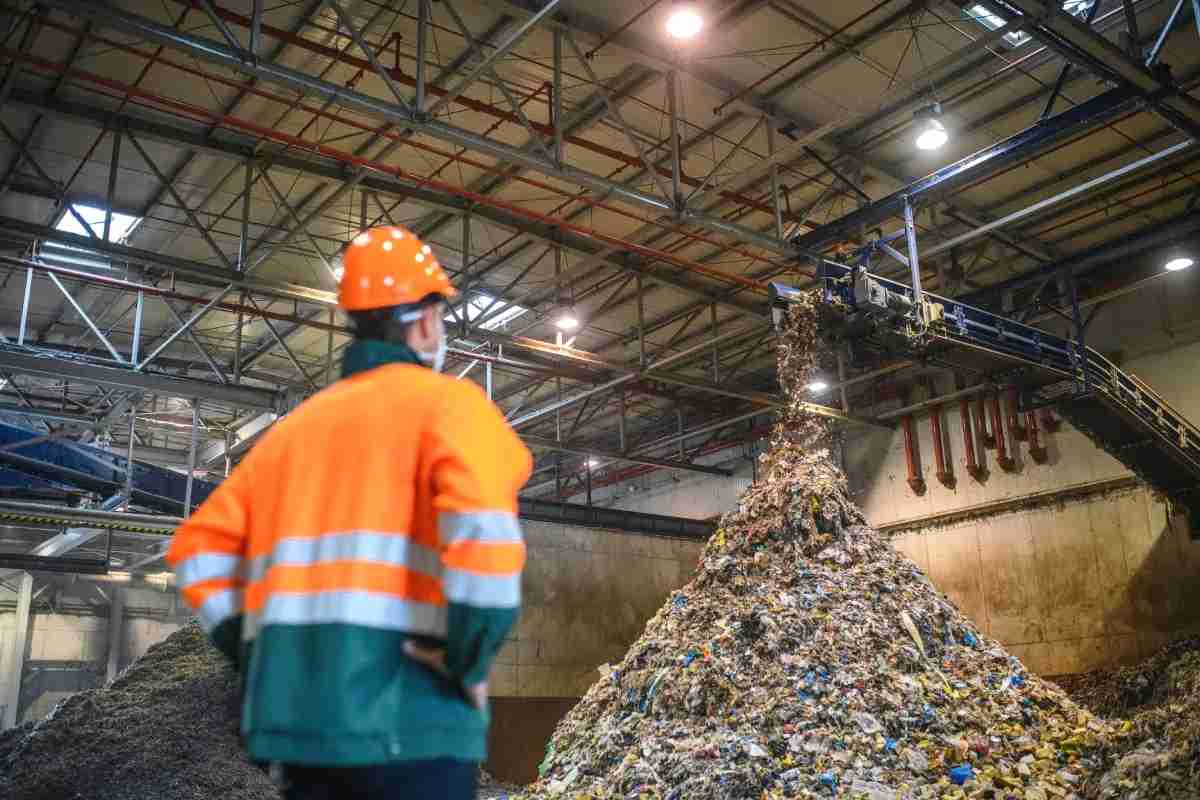
Look, Virginia’s got a trash problem.
Not the kind where garbage is piling up on every corner, but the kind where we’re running out of places to put it all. And honestly? The way we’ve been handling waste for decades isn’t working anymore.
I’ve spent years writing about homes and spaces, and here’s what I’ve learned: what we throw away matters just as much as what we keep.
Every single home, every business, every person in Virginia creates waste. Daily. And most of us never think about where it goes after the truck hauls it away.
But here’s the thing—it doesn’t just disappear.
Virginia’s dealing with landfills reaching capacity, contamination issues, and a growing population that’s only making things worse.
The old “throw it in a hole and forget about it” approach? That’s done.
We need something better. Something that actually works for the long haul.
That’s where eco-friendly waste management comes in. And no, this isn’t just some feel-good environmental trend. It’s practical. It saves money.
It creates jobs. And it might be the only way Virginia can handle its waste without turning into one giant landfill.
8 Importance of Eco-Friendly Waste Management Solutions in Virginia
Understanding Virginia’s Waste Management Landscape
Virginia generates millions of tons of waste every year. Think about that for a second. Millions. Of tons.
The state’s got about 8.6 million people, and every single one of them is tossing stuff out constantly. Old furniture. Food scraps.
Electronics that stopped working. Packaging from everything we buy online. It adds up fast.
Right now, most of that waste goes to landfills.
Virginia has dozens of them scattered across the state, and many are filling up faster than anyone expected.
Some regions are already shipping waste to other states because there’s simply no room left.
The current system? It’s basically collect, compact, bury. Repeat. That’s it.
But landfills aren’t just holes in the ground.
They’re expensive to maintain, they take up massive amounts of land, and they create methane—a greenhouse gas way worse than carbon dioxide.
Plus, once a landfill reaches capacity, you can’t really do much with that land for decades. Maybe longer.
Virginia’s also dealing with illegal dumping in rural areas.
People trying to avoid dump fees by tossing their junk wherever they think no one’s looking. That creates environmental hazards, costs taxpayers money to clean up, and just looks terrible.
The state needs a better system. One that doesn’t rely on constantly finding new places to bury trash.
What Are Eco-Friendly Waste Management Solutions?
Eco-friendly waste management isn’t complicated.
It’s basically any approach that reduces harm to the environment while dealing with trash.
This includes recycling. Composting organic waste.
Reusing materials instead of tossing them. Converting waste to energy. Reducing the amount of stuff we throw away in the first place.
The goal is simple: keep as much out of landfills as possible. Because every pound that doesn’t get buried is a pound that doesn’t create methane, doesn’t take up space, and might even get turned into something useful.
Some people call it sustainable waste management.
Others call it green waste solutions. The name doesn’t matter much. What matters is that it works.
And it does work.
Cities and states that have adopted these methods have seen dramatic reductions in landfill waste.
Some have cut their trash output by 50% or more within a few years. That’s not theoretical—it’s happening right now in places across the country.
For Virginia, this means rethinking everything from curbside pickup to commercial waste handling to how construction debris gets processed.
Environmental Benefits of Eco-Friendly Waste Management
Let’s talk about what actually happens when Virginia shifts toward greener waste management.
First, less methane. Landfills are one of the biggest sources of methane emissions in the country.
When organic waste like food and yard trimmings decomposes without oxygen, it releases methane.
That gas traps heat in the atmosphere at a much higher rate than CO2. By composting organic waste instead of burying it, we cut those emissions significantly.
Second, soil health improves. Compost isn’t just decomposed garbage—it’s nutrient-rich material that can revitalize soil.
Virginia’s got a huge agricultural sector, and farmers can use compost to improve crop yields without relying as heavily on chemical fertilizers. That’s better for the environment and better for farming economics.
Third, water stays cleaner. Landfills can leak.
The technical term is “leachate,” but it’s basically contaminated liquid that seeps from decomposing trash into groundwater.
That can pollute drinking water sources and damage ecosystems.
Reducing what goes into landfills means less risk of contamination.
Recycling metals, plastics, and paper also saves energy.
Manufacturing products from recycled materials uses way less energy than creating them from raw resources. That means fewer emissions from factories and less strain on natural resources.
And here’s something people don’t always think about: reducing waste means reducing the need for raw material extraction. Less mining.
Less logging in sensitive areas. Less habitat destruction.
Virginia’s got beautiful natural spaces—mountains, forests, coastline. Protecting those areas isn’t just about conservation; it’s about preserving what makes the state livable and attractive.
Economic and Community Benefits for Virginia
Eco-friendly waste management isn’t just good for the planet. It’s good for wallets.
Recycling creates jobs. Way more jobs than landfilling does.
According to industry data, recycling and reuse activities create about 10 times more jobs per ton of material than landfill disposal.
That means employment opportunities in sorting facilities, processing centers, and companies that manufacture products from recycled materials.
Virginia could use those jobs, especially in areas where traditional industries have declined.
Budget-friendly trash removal is an essential starting point for Virginia residents and businesses to begin their eco-conscious journey in waste management.
When costs stay manageable, more people participate. And when more people participate, the whole system becomes more efficient and less expensive overall.
Communities that invest in better waste management also see property values stabilize or increase.
No one wants to live near a landfill or an area with illegal dumping problems.
Clean neighborhoods with good waste services are more desirable, which benefits homeowners and local economies.
There’s also the cost savings from avoiding landfill expansion. Building new landfills is incredibly expensive.
The permitting process alone can take years and cost millions.
If Virginia can extend the life of existing facilities by diverting waste, that’s money the state doesn’t have to spend on new sites.
And then there’s the revenue potential.
Recycled materials have value.
Scrap metal, certain plastics, cardboard—these can be sold. Some communities have turned waste management from a pure expense into a revenue-generating operation.
Legal and Regulatory Considerations in Virginia
Virginia has laws about waste. Quite a few, actually.
The Virginia Waste Management Act sets the framework for how the state handles solid waste.
It establishes requirements for landfill operation, waste transportation, and disposal methods. The Department of Environmental Quality oversees most of this.
Local governments have authority over waste collection within their jurisdictions.
That means cities and counties can set their own rules about recycling programs, pickup schedules, and what residents need to do with their trash.
Some areas in Virginia have mandatory recycling. Others make it optional.
The patchwork approach means residents in one county might have completely different requirements than people 20 miles away.
There are also regulations about what can and can’t go in landfills.
Hazardous materials have special disposal requirements.
Electronics are banned from landfills in Virginia—they have to be recycled through approved programs. Same with certain appliances and other items.
For businesses, the rules get more complex.
Commercial waste generators have responsibilities beyond what individual homeowners face. Large operations might need permits.
They definitely need documentation of where their waste goes and how it’s handled.
The state’s been pushing toward higher waste diversion goals.
That means trying to divert more trash away from landfills through recycling, composting, and other methods. Some localities have set ambitious targets—30%, 50%, even higher.
Meeting those goals requires infrastructure, funding, and public participation. It’s not automatic.
Role of Businesses in Promoting Eco-Friendly Waste Solutions
Businesses generate a lot of waste. In many cases, more than residential sources.
Restaurants throw out food waste daily.
Retail stores deal with packaging and unsold merchandise.
Construction companies have debris from every job site. Offices generate paper waste. The list goes on.
The good news? Businesses can make a massive difference by changing how they handle waste.
Restaurants can compost food scraps instead of tossing them.
Some already do this, working with local composting services that pick up organic waste regularly.
The compost gets used by farms or landscapers, and the restaurant reduces its landfill load significantly.
Retail operations can minimize packaging, choose recyclable materials, and establish take-back programs for products.
Some companies have started accepting returns of old items to recycle properly instead of letting them end up in landfills.
Construction businesses can salvage materials.
Wood, metal, fixtures—lots of demolition waste is actually reusable or recyclable. Instead of dumping everything, contractors can separate materials and send them to appropriate facilities.
Even office environments can reduce waste through simple changes.
Digital documents instead of printing everything.
Reusable dishes in break rooms instead of disposables. Recycling bins next to every trash can.
When businesses commit to eco-friendly waste practices, they often discover cost savings.
Less waste means lower disposal fees.
Recycling sometimes generates revenue. And customers increasingly prefer companies that show environmental responsibility.
Virginia businesses have an opportunity here.
Being ahead of the curve on waste management can become a competitive advantage.
How Residents Can Participate in Sustainable Waste Management
You don’t need to be a waste management expert to make a difference. Regular people can do a lot.
Start with recycling.
Sounds obvious, but tons of recyclable materials still end up in trash bins.
Paper, cardboard, most plastics, glass, metal cans—these should go in recycling.
Check your local program to see what they accept, because it varies by area.
Composting works for anyone with even a small yard.
Food scraps and yard waste can become compost instead of landfill fodder.
You can buy a simple compost bin or build one. It’s not complicated, though it does take some time.
Reducing waste in the first place is even better than recycling.
Buy products with less packaging.
Choose reusable over disposable when possible. Fix things instead of replacing them immediately. These habits add up over time.
For stuff you don’t want anymore, consider donating before tossing.
Furniture, clothes, working electronics—someone else might need exactly what you’re getting rid of. Donation centers across Virginia accept all kinds of items.
Participate in community cleanup events.
Many localities organize these periodically to pick up litter and illegally dumped waste. It’s direct action that makes a visible difference.
Educate yourself about what can’t go in regular trash.
Batteries, paint, chemicals, electronics—these need special handling.
Most areas have drop-off days or facilities for household hazardous waste.
And honestly? Just being mindful helps. Thinking about where your trash goes and what happens to it changes behavior.
You might naturally start creating less waste once you’re aware of the impact.
The Future of Eco-Friendly Waste Management in Virginia
Where’s this all heading?
Virginia’s population is projected to keep growing.
More people means more waste.
The state has to either build more landfills or find better ways to handle trash.
Given the cost and environmental impact of landfills, the second option makes more sense.
Technology is changing waste management.
Sorting facilities are getting more automated and efficient.
Composting operations are scaling up.
Waste-to-energy facilities can convert trash into electricity, though they’re controversial for other reasons.
Some communities are exploring zero-waste goals.
That’s ambitious—getting close to zero waste going to landfills through comprehensive recycling, composting, and waste reduction programs.
A few places have gotten remarkably close to that target.
Virginia might not hit zero waste statewide anytime soon, but progress is possible.
The state could expand recycling programs, invest in composting infrastructure, and create incentives for businesses and residents to reduce waste.
Policy will play a role.
The state could adopt stronger waste diversion requirements, ban additional materials from landfills, or fund local programs to improve waste management.
Public awareness is growing.
More Virginians understand that waste management isn’t someone else’s problem—it affects everyone. That awareness drives demand for better solutions.
The future probably involves a mix of approaches.
No single solution handles everything.
But combining recycling, composting, waste reduction, better business practices, and smarter policies could transform how Virginia deals with trash.
Conclusion
Virginia’s waste management situation needs attention. Not panic, just realistic attention.
The current approach isn’t sustainable long-term.
Landfills fill up. Costs rise. Environmental impacts accumulate. Something has to change.
Eco-friendly waste management offers practical solutions.
Not perfect ones, but better ones. Methods that reduce environmental harm, create economic opportunities, and make communities more livable.
This isn’t about going back to some imaginary simpler time.
It’s about being smarter with resources in a modern, growing state.
Residents, businesses, and the government all have roles to play.
Small changes scale up when enough people make them. And the infrastructure investments needed now will pay off for decades.
Virginia’s got the resources, the population, and increasingly the will to improve waste management.
What happens next depends on whether that potential turns into action.
The trash isn’t going to manage itself.