
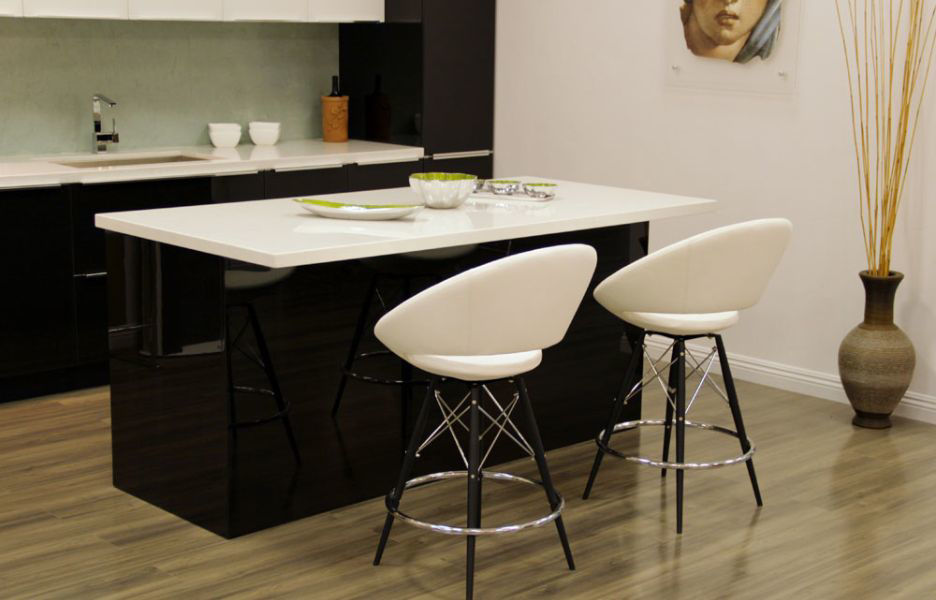
Look, I’ve walked into too many homes where someone’s bought these gorgeous bar stools online, got them delivered, and then… they don’t fit. Or they’re too high. Or three people can barely squeeze in when the island should seat four.
It’s frustrating, right? You spend good money, you’ve pictured them in your space, and suddenly you’re stuck with stools that don’t work.
Here’s the thing though—choosing bar stools isn’t actually complicated.
You just need to know what matters. And honestly, most of it comes down to measurements and being realistic about how you actually use your kitchen.
5 Ways To Choose Bar Stools For Your Kitchen Island Or Home Bar
This guide breaks down the essential factors Australian homeowners should consider when choosing bar stools, making it easier to compare options, refine your preferences, and confidently shop bar stools online that are both functional and stylish for your space.
Understanding Bar Stool Height and Sizing
Measure first. Seriously, measure.
I can’t stress this enough because I’ve seen it happen dozens of times.
Someone finds this beautiful stool, orders it, waits for delivery, and then realizes it’s way too tall for their counter.
You don’t want to be that person trying to saw off the legs of a brand new stool.
So here’s what you need to know.
Counter stools are typically 24 inches high. That’s measured from the floor to the top of the seat. These are made for standard kitchen counters that sit at 36 inches high.
Most kitchen islands in Australia are counter height, so chances are this is what you need.
Bar stools are around 30 inches high to the seat. Sometimes a bit less, sometimes a bit more, but 30 inches is the standard.
These work with bar-height counters at 42 inches. You see these more in actual home bars or those taller breakfast bars.
The rule? You want about 10 to 12 inches between the top of your stool seat and the underside of your counter. That gives you leg room.
Anything less and you’re going to feel cramped. Your knees will hit the counter when you try to swivel or shift position.
Here’s where people mess up though. They forget to account for cushions.
If you’re buying a stool that’s 24 inches to the hard seat, but you’re planning to add a 2-inch cushion, well, now you’ve only got 10 inches of clearance instead of 12. Still okay, but tighter.
And backrests. If your stool has a tall back, measure the clearance above your counter too. You need to make sure it can actually tuck under if that’s important for your layout.
Some of those high-backed stools look great but won’t slide under a standard overhang.
One more thing—adjustable height stools with hydraulic mechanisms are brilliant if you’re not sure, or if you’re moving soon.
You can use the same stool at different counter heights. Kitchen today, home bar tomorrow. They’re flexible.
Choosing the Right Style for Your Space
Your stools need to make sense with the rest of your kitchen. That doesn’t mean everything has to match perfectly—honestly, matchy-matchy can look a bit dated—but there should be some visual connection.
Modern kitchen? Clean lines work. Think molded plastic, lacquered finishes, metal legs.
Those sculptural stools with the curved seats and no backs look fantastic in contemporary spaces. Very sleek.
Traditional kitchen? You might want wood stools, maybe with some turned legs or a bit of detail. Upholstered seats in linen or leather can warm things up.
But here’s where it gets interesting.
Sometimes contrast works better. I’ve seen ultra-modern spaces where someone brought in vintage-style leather stools, and it looked incredible.
Gave the kitchen some personality instead of feeling like a showroom.
The key is thinking about your overall vibe. What feeling are you going for? Casual family kitchen? Go comfortable and durable. Entertainer’s kitchen? Maybe something with a bit more wow factor.
Color matters too. A lot of people default to neutral—black, white, grey, wood tones.
Safe choices, sure. But if your kitchen is mostly neutral, your stools are actually a great opportunity to bring in color.
A hit of mustard yellow, deep blue, or even a rich burgundy can completely change the feel of the space.
Just… don’t go too trendy. You’re not replacing bar stools every two years, so pick something you’ll still like in five.
Actually, that’s not entirely true.
Some people do swap them out because lightweight stools are easy to change. But most of us are keeping them for a while.
Selecting the Best Materials
Materials are where function meets style, and you really need to think about your life here.
Metal stools—usually steel or aluminum—are super durable. You can get them powder-coated in basically any color. They’re lightweight, which makes them easy to move around.
Easy to clean too. If you’ve got kids who spill things constantly, metal is forgiving. Just wipe it down.
The downside? They can feel cold, literally. And they might be noisy if people drag them across your floor. Felt pads help with that.
Wood stools bring warmth. They look great in most kitchens, and if you get solid wood, they’ll last forever.
You can paint them, stain them, sand them down and refinish them if you get sick of the color. Very versatile.
But wood can stain if you spill wine or coffee and don’t wipe it up right away. And if the finish isn’t good, they can look worn pretty quickly.
Upholstered stools are the most comfortable, hands down. Fabric or leather seats are what you want if people actually sit at your island for meals, not just quick breakfasts.
Your back and legs will thank you during long Sunday brunches.
The problem is cleaning. Fabric stains. Leather can crack or fade.
This is where slipcovered stools are genius—you can throw the covers in the wash when someone inevitably spills spaghetti sauce. And you can swap colors seasonally if you’re into that.
Some stools come with vinyl or faux leather that’s been treated to be stain-resistant. Not as nice as real leather, but way more practical for busy households.
Plastic or acrylic stools with that high-gloss finish are having a moment. They look modern, they’re lightweight, they’re stackable, and they’re practically indestructible.
Plus, they’re usually pretty affordable. The molded plastic ones from places like Ikea can look surprisingly good.
They can feel a bit cold to sit on though, same as metal. And depending on the quality, they might not age well—cheaper plastic can get scratched or look dull after a few years.
Comfort and Ergonomic Considerations
You need to sit on stools before you buy them if at all possible.
I know, I know, you’re shopping online. But if you can get to a showroom or even a furniture store that has similar styles, do it. Sit on them for five minutes, not five seconds.
Here’s what to check: Does your back feel supported? Are your feet dangling uncomfortably or do they have somewhere to rest? Can you imagine sitting here for a full meal?
Footrests are non-negotiable for me. Unless you have really short stools where your feet touch the floor, you need somewhere to put them.
Dangling your legs for more than a few minutes gets uncomfortable fast.
Most stools have a rung or bar between the legs—make sure it’s positioned where your feet will naturally land.
Backs vs. backless is a personal call. Backless stools are great if you want them to tuck completely under the counter and disappear.
They also work better if you don’t have much overhang on your island. And visually, they keep things open and airy.
But if people are actually going to sit for more than 10 minutes, backs are way more comfortable. Even a small back support makes a difference.
Those stools with just a little return at the back—not a full backrest, just a slight curve—give you just enough support without being bulky.
Full high-back stools are basically chairs. Most comfortable option, but they take up more visual space and won’t tuck away.
Swivel mechanisms are convenient but not essential.
Nice for turning to talk to someone at the table or in the living room. But if you have really limited space, swivel stools need extra clearance.
You need about 6 to 8 inches between stools instead of the usual 3 to 4 inches.
Padding depth matters too. A super thin cushion on a hard seat isn’t doing much. You want at least an inch or two of actual cushioning.
Considering Space and Layout
This is where the math comes in, but it’s not hard math.
Measure your island or bar length.
Now subtract about 8 to 10 inches from each end—you need clearance, otherwise stools at the ends feel cramped and people bash their hips trying to get around them.
So if you have a 2-meter island, you’re working with about 1.8 meters of usable seating space.
Each stool needs 60 to 65 centimeters of space. That includes the stool itself plus the gap between stools. So about 24 to 26 inches if you’re thinking in imperial.
On a 1.8-meter stretch, you can fit three stools comfortably.
Maybe four if they’re compact and backless. Don’t try to squeeze too many in—people need elbow room.
Here’s another thing nobody tells you. Overhang matters. If your island has a shallow overhang—like less than 10 inches—you’re going to be bumping your knees.
Standard overhang is around 12 to 15 inches, which gives you enough space to tuck your legs under without hitting the cabinetry.
If you have a waterfall edge or some fancy stone situation with minimal overhang, you might need backless stools that people perch on rather than sit at properly.
Traffic flow is the last piece. Can people walk behind the stools comfortably when they’re pulled out? You need at least 90 centimeters of clearance behind an occupied stool for someone to walk past without it being awkward.
If you don’t have that, consider stools that are easy to push in completely, or go with fewer stools so there’s a walk-through gap.
And honestly? Think about whether you actually need stools at all sides.
If one side of your island faces a wall or is used for cooking prep, maybe just put stools on the dining side.
Conclusion
Choosing bar stools really comes down to measuring properly, being honest about how you’ll use them, and picking materials that fit your life.
Not some idealized version of your life where you wipe down leather seats every day—your actual life.
Start with height and spacing. Get those right and everything else is just preference. Then think about comfort if people will actually sit there for meals.
Then pick a style that makes you happy when you walk into your kitchen.
And one last thing—lightweight stools that you can move around easily are underrated. Life changes.
Sometimes you need all four stools, sometimes you only need two.
Being able to grab one and move it to the corner when you need floor space makes a real difference.
Don’t overthink it. But do measure.