
Home rehab projects can be fun and thrilling, but they so often underdeliver.
Even small DIY projects can put you at risk for hazards that come on gradually rather than immediately.
To work safely and confidently, it’s useful to know how the appropriate protection underpins each step of a renovation.
This blog explains the role of Personal Protective Equipment (PPE) safety gear in simplifying and enhancing the safety of home renovations.
Reducing Injury Risks From Common Renovation Tasks
Many common renovation tasks, like cutting lumber, sanding walls, or drilling masonry, can cause injuries.
It’s just that pieces of flying debris, sharp corners, fragile edges, and dangerous materials are part of the routine.
PPE is a protective shield between you and these hazards.
Eye protection provides a guard against splinters and dust, and gloves protect hands against cuts and scrapes, while robust footwear can minimise the effects of a dropped tool or material.
Supporting Safer Demolition and Removal Work
Demolition is often among the dirtiest and most perilous aspects of a renovation.
Smashing tiles, tearing old cabinetry, or ripping out fixtures generates a tremendous amount of dust, shards, and unexpected movement.
With the right PPE on during demolition, you’ll have all the control.
Protection of the respiratory system prevents inhalation of airborne fine dust, and protection of the eyes and face protects against flying particles.
Managing Dust, Fumes, and Airborne Particles
Renovation dust is not only unpleasant.
It gets into the air and your lungs, and it continues to irritate you even after work.
For example, when sanding, cutting plasterboard, or using power tools, you get dust-like particles that are hard to notice, but you breathe them in.
In such cases, special construction masks and a respirator that effectively filter such particles help.
Together with normal ventilation, they will allow you not only to breathe more comfortably during work but also after it.
Protecting Hearing During Prolonged Tool Use
Without the use of power tools, remodelling is no longer possible.
They make an intolerable cacophony that might accumulate in your perception in no time.
Even if it seems “not so loud” on one occasion, prolonged exposure can gradually lead to hearing loss.
The use of hearing protection dramatically reduces this effect.
Earplugs or earmuffs mute loud noise, but you can still work. PPE allows you to spend more time remodelling without the discomfort of after-effects.
Encouraging Consistent Safety Habits at Home
A major benefit of PPE is habit formation. Safety gear that’s easy to find and comfortable becomes a routine, not an afterthought.
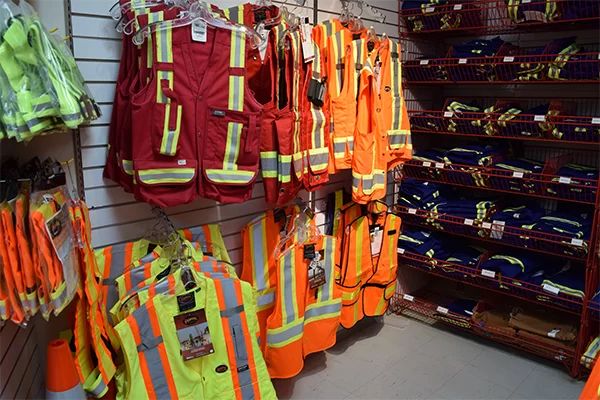
It is important to source dependable gear from reputable ppe safety equipment suppliers, so you know the gear will be a proper fit and perform properly.
Good PPE is more likely to be the PPE you’ll wear on every job.
Improving Grip, Control, and Confidence
Safety gear doesn’t just protect you from injury; it can enable you to work better.
Task-specific gloves offer better micro-grip with tools and materials to improve your grip and reduce slips and uncomfortable hand positions.
With more control, tasks become more accurate and less fatiguing.
This extra confidence often translates into better workmanship as well, as you won’t be making up for fear of discomfort or injury.
Supporting Safe Handling of Chemicals and Finishes
Paints, glues and adhesives and sealants, together with cleansers, are regularly used in renovation work.
Some produce a smell when released or can irritate the skin if touched without protection.
Gloves, masks and goggles prevent direct contact with the pathogen. This is especially beneficial during activities such as painting, varnishing, staining, or stripping old finishes, where contact time can be lengthy.
The correct PPE allows quicker, more effective handling without reducing productivity.
Helping You Maintain Focus Throughout the Project
When you feel physically secure, your mental focus increases.
Instead of fretting about dust in your eyes or noise fatigue, you can focus on measurement, alignment, and technique.
This clear mind is necessary for safe decision-making. Less distraction equals fewer accidents, a result of sloppy/forgotten work.
Adapting Safety for Different Renovation Stages
Renovation can be a free-for-all, with rounds of demolition and framing followed by finishing work and then clean-up.
There are different risks at every stage, and PPE enables you to adjust.
Frequently switching gloves, masks or eye shields for various tasks makes safety relevant and effective.
It is this flexibility that makes PPE a useful tool, as opposed to being designed like a one-size-fits-all solution that gets ignored.
Reducing Project Delays Caused by Injury
Even minor injuries can set back a renovation. A nicked finger, tired eyes or irritated lungs can make you down tools or stretch a simple job over several days.
PPE ensures you are physically capable for the entire project.
It also minimises downtime due to preventable injuries, making progress easier and more predictable.
Supporting DIY Confidence for Larger Projects
For a lot of homeowners, PPE makes larger home renovation projects suddenly feel doable.
When the risks are perceived as manageable, you take on challenges such as structural alteration or full-blown refurbishment without being so intimidated.
This trust promotes opportunities for learning and development.
With the right protection in place, you are more likely to slow down, complete tasks correctly, and extend your capabilities to what you can safely manage.
Building Safer Renovations From the Ground Up
It’s hard to put a price on the peace of mind that safety brings to your setup, and home renovations feel more rewarding when you’re comfortable—not panicked.
Wearing good PPE protects your health and the quality of your work and enjoyment of doing tasks around the house.