
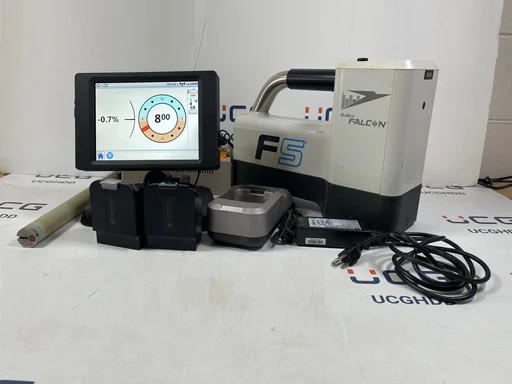
Broken Falcon sondes still have value. Buyers do not pay for “a broken tool.”
They pay for parts, repairable cores, housings, coils, boards, and fast turnaround on spares.
This article maps the buyer groups who buy broken Falcon sondes in the US.
Each section answers three questions: 1) What job drives the purchase. 2) What buyers check before they pay. 3) What closes a deal for a non-working unit.
How the typical broken-sonde buyer thinks
Most broken-sonde deals close when the seller stops guessing and starts naming the failure. Buyers price risk.
They want to know what still works, what is missing, and what likely failed.
A drilling crew fears downtime. They buy a broken sonde when they can salvage parts and get back to work faster than ordering new.
A rental fleet fears repeat failures.
They buy broken units to rebuild inventory and control repair cost. A repair lab fears a unit with unknown damage because unknown damage wastes bench time.
Buyers also split roles. A field tech identifies the problem.
A shop manager approves the purchase. A logistics person handles shipping.
A deal fails when the seller cannot answer basic questions in the first message.
What buyers ask first
- What is the exact model and frequency range?
- What happened right before failure: water ingress, impact, overheating, battery event, cable damage?
- Does the unit power on? Does it link to the receiver?
- Do you see any error codes, cracked housings, bent connectors, damaged threads?
- What is included: batteries, caps, threads, end caps, o-rings, cases?
- Can you share clear photos of the serial plate and the damage areas?
Two facts that raise your offer
- Failure description in plain steps, not guesses
- Photos that show the unit from all sides plus close-ups of damage and connectors
If you provide those facts, buyers can quote faster. They also pay more because you remove inspection risk.
HDD contractors who need spares fast
HDD contractors buy broken Falcon sondes when they need parts now.
A drill can sit idle while a crew waits for a replacement. A broken unit can become a donor for caps, housings, boards, or coils.
Why they buy broken Falcon sondes
- Recover parts to rebuild another sonde the same day
- Keep a backup unit ready for the next bore
- Swap housings, caps, or connectors damaged in the field
- Reduce downtime cost when a new unit will arrive too late
What they check before they pay
- Visible condition: cracks, dents, thread damage, bent connectors
- Water ingress signs: corrosion, residue, swollen seals
- Power state: does it turn on or show any indicator behavior?
- History: impact drop, stuck in mud, heat, or battery event
- Completeness: end caps, o-rings, battery tube parts, case
What closes the deal
- Clear photos plus a short failure story in steps
- Model and frequency stated upfront
- Fast shipping and strong packing to prevent more damage
How to direct your listing
Lead with the failure and what still works. Write: broken Falcon sonde, model/frequency, does not power on after water exposure.
Then list included parts. Contractors do not want a mystery box.
Rental fleets and drill support shops
Rental fleets buy broken sondes to rebuild inventory and control repair cost.
They run many units. They track failure patterns. They pay more for predictable repairs and complete cores.
Why they buy broken Falcon sondes
- Rebuild units to keep rental inventory high
- Salvage parts for common repairs
- Reduce warranty and replacement cost by controlling the repair pipeline
- Standardize spares across a fleet
What they check before they pay
- Repairability: housing and threads intact, connectors not torn out
- Signs of abuse: crushed tube, deep dents, cross-threaded ends
- Electronics risk: water exposure and corrosion level
- Completeness: caps, battery components, any protective covers
- Serial plate legibility for tracking
What closes the deal
- Photos that show threads, connector area, and any cracks
- A simple checklist filled in: powers on yes/no, link yes/no, water exposure yes/no
- Bundle pricing when you have multiple units
How to direct your listing
Write for a shop manager. Use a checklist format. Rental buyers compare units fast and pick the ones they can rebuild with low labor.
Repair labs and electronics refurbishers
Repair labs buy broken Falcon sondes when the failure matches a known repair path.
They avoid units with unknown damage because bench time is expensive.
Why they buy broken Falcon sondes
- Repair known failures and resell refurbished units
- Harvest boards, coils, and connectors as donor parts
- Use broken units to validate repairs and test procedures
- Keep inventory of hard-to-source components
What they check before they pay
- Failure symptoms: dead, intermittent, overheating, link issues, drift
- Physical damage level: cracks, crushed sections, damaged seals
- Corrosion level: light residue vs deep corrosion on connectors
- Missing parts: caps, seals, battery tube elements
- Any prior repair attempts and what was changed
What closes the deal
- A tight symptom description with what changed before failure
- Close-up photos of connectors, threads, and any corrosion
- No surprise parts missing after arrival
How to direct your listing
State symptoms. Do not diagnose. Write what you observed: stopped linking after impact, then would not power on. Labs price evidence, not theories.
Dealers and parts resellers
Dealers buy broken sondes for parts and resale after refurbishment.
They move fast when the seller provides facts and photos.
Why they buy broken Falcon sondes
- Buy as-is inventory for refurbishment and resale
- Strip units for parts and sell components
- Bundle broken units to reduce acquisition cost
- Supply parts to contractors who self-repair
What they check before they pay
- Model and compatibility with common fleets
- Visual damage and missing parts
- Source of failure risk: water exposure vs impact vs wear
- Shipping risk: can the seller pack correctly
- Quantity: single unit vs lot
What closes the deal
- One message with model, failure notes, and photo set
- A clear kit list: what ships with the unit
- Fast shipment confirmation
How to direct your listing
Dealers price risk fast. You protect price with photos and a complete kit list. Put model and failure first, not last.
Manufacturers’ service partners and calibration shops
Service partners buy broken units when they can use them for parts, training, or repair pipelines.
They also buy cores when they can return them to service with predictable labor.
Why they buy broken Falcon sondes
- Use as donor units for hard-to-find components
- Rebuild cores and return units to inventory
- Train technicians on teardown and seal routines
- Validate test equipment and procedures
What they check before they pay
- Core integrity: housings and key mechanical interfaces intact
- Serial and tracking: readable ID for records
- Corrosion and contamination level
- Evidence of tampering or non-standard parts
- Shipping safety to avoid additional damage
What closes the deal
- Full photo set and serial plate clarity
- Stable story of ownership and failure event
- Packing that protects threads and connector areas
How to direct your listing
These buyers think in repair labor. If you show intact interfaces and clean tracking info, you raise the offer.
Training programs and tool rooms
Training programs and tool rooms buy broken units for teardown practice and for parts.
They pay less than repair buyers, but they can take units that others reject.
Why they buy broken Falcon sondes
- Teardown practice for sealing, connectors, and housing work
- Donor parts for training rigs and demos
- Non-critical spares where full performance is not required
- Tool-room inventory for components and fixtures
What they check before they pay
- Physical safety: no sharp breaks, no exposed hazards
- Completeness for teaching: caps, seals, housing sections
- Condition of threads and interfaces for demonstration
- Clear labeling of what does not work
What closes the deal
- Honest condition statement and full photo set
- Bundled lots of broken units
- Low-friction shipping and pickup coordination
How to direct your listing
If your unit is not economical to repair, position it as a donor or training core.
Training buyers still want clear photos and a plain failure description.
If you want a fast quote for a non-working unit, send the model, serial photo, and damage photos through this page: Sell broken Falcon sonde.