
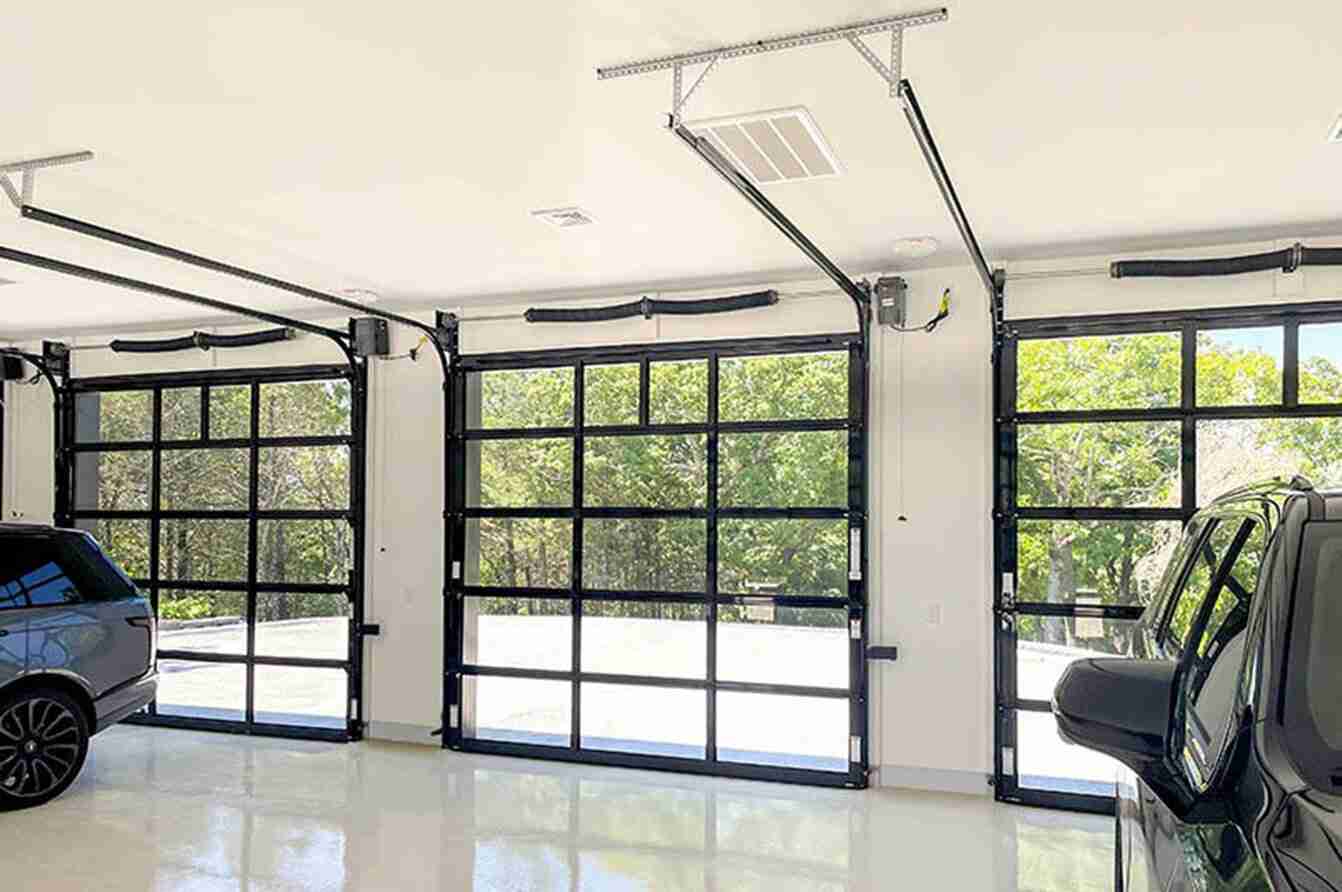
Look, I get it. Your garage door isn’t exactly the most exciting thing in your house.
It’s not the kitchen backsplash you spent three months picking out or that statement light fixture everyone compliments. But here’s the thing—it’s probably the largest moving object in your home.
And if you’ve got kids running around or pets that think every opening is an invitation to explore, you need to pay attention.
I’ve been writing about homes for over fifteen years now.
Celebrity mansions, historic renovations, tiny house movements—you name it. But some of the scariest stories I’ve heard? They’re about garage doors.
Not because the doors themselves are inherently dangerous, but because people just don’t think about them until something goes wrong.
So let’s fix that.
Why Garage Door Safety Matters for Every Household
Your garage door goes up and down maybe ten, fifteen times a day if you’ve got a busy household. That’s a lot of movement.
A lot of opportunities for something to go sideways.
Here’s what most people don’t realize: the average residential garage door weighs somewhere between 150 and 400 pounds. Yeah.
That sectional door with the pretty windows? It’s heavy. Really heavy. And it’s held up by springs under enough tension to literally cause serious injury if they snap incorrectly.
I remember visiting a friend’s house last summer.
Beautiful place, custom everything. Her kids were outside playing, running in and out of the garage to grab bikes and sports equipment.
The door would go up, they’d dart under it while it was still moving, then hit the button on their way out. My stomach dropped watching it.
“They do that all the time,” she laughed.
Two weeks later, she called me. The door had come down on her daughter’s shoulder. Thankfully, the auto-reverse worked and the kid was fine—scared, bruised, but fine. Could’ve been so much worse.
That’s when it clicked for her. For a lot of people, it takes a close call. But it doesn’t have to.
Keep Remote Controls Out of Children’s Reach
Kids love buttons. Remote controls are basically irresistible to them. But garage door openers aren’t toys, and treating them like one is asking for trouble.
Store your remotes up high.
Clip them to your visor, keep them in a drawer, whatever works. Just not where a five-year-old can decide it’s playtime while you’re unloading groceries.
I’ve heard stories—too many stories—about kids pressing the button repeatedly, watching the door go up and down like it’s some kind of magic show. And then someone walks through at the wrong moment. Or the door malfunctions because it’s been cycled fifty times in ten minutes and the safety features get confused.
Wall-mounted buttons should be at least five feet off the ground. That’s the standard recommendation, and it exists for a reason.
High enough that little hands can’t reach without help. Also? Teach your kids early that it’s not a toy. Explain why.
Kids are smarter than we give them credit for. If you tell them “the door could hurt someone if we’re not careful,” most of them will get it.
Same goes for keypads outside.
If you’ve got one of those external entry pads, make sure the code isn’t something a determined ten-year-old can figure out. And definitely don’t let neighborhood kids treat your garage like a clubhouse they can open whenever.
Test the Auto-Reverse Feature Regularly
Okay, this one’s non-negotiable. Your garage door should have an auto-reverse mechanism.
It’s been required by federal law since 1993, so if your door was installed after that and doesn’t have one, someone cut corners. Big time.
The auto-reverse does exactly what it sounds like—if the door hits something while closing, it should immediately reverse direction and go back up.
This feature has probably saved countless injuries over the years.
Testing it is stupid simple. Place a piece of wood—a 2×4 works great—flat on the ground where the door would close. Hit the button.
The door should come down, touch the wood, and immediately reverse. If it doesn’t? Don’t use that door until it’s fixed. Seriously.
I test mine every month. Takes thirty seconds.
My husband used to make fun of me for it until I showed him a news story about a door that didn’t reverse. He doesn’t make fun anymore.
Some newer operators have adjustable force settings.
If your door is reversing when it shouldn’t—like when it hits the ground normally—you might need to adjust the down force. But if you’re not comfortable doing that, call someone. That’s not the time to wing it.
Inspect and Maintain Safety Sensors
Those little sensors on either side of your garage door near the floor? They’re basically your door’s eyes.
They send an infrared beam across the opening, and if anything breaks that beam while the door is closing, the door stops and reverses.
These sensors, usually called photo eyes or safety eyes, need to be between two and six inches off the ground. And they need to be talking to each other.
If they’re not aligned, they can’t do their job.
Here’s what happens in real life: you’re pulling your trash can out, you bump one of the sensors. Just a little tap. Now it’s pointed at the wrong angle.
The garage door won’t close properly, and you’re standing there clicking the button like a maniac wondering what’s wrong.
Check them once a month. There’s usually a little light on each sensor—green or amber depending on the brand.
If one’s flashing, that’s your sign they’re not aligned. You can adjust them yourself. There’s a wing nut holding each sensor in place.
Loosen it slightly, adjust the angle until both lights are solid, then tighten it back up.
Pro tip: after you adjust them, wiggle the track a little bit.
If the light goes off, you don’t have them aligned well enough. You want them positioned so they can handle a little movement without losing connection.
Dust and spider webs can also block the beam.
Wipe the sensor lenses off every so often. Takes two seconds. I use the same cloth I clean my reading glasses with.
As those warning signs go unaddressed, minor mechanical problems begin to escalate into serious safety hazards.
At this stage, garage door repair is necessary to ensure safe and controlled operation.
Perform Routine Visual Inspections
Once a month—maybe the first Saturday, whatever you’ll remember—just look at your garage door. Like really look at it.
Disconnect the opener and manually lift the door about halfway.
It should stay there on its own. If it slams down or shoots up, your springs are out of balance. That’s a problem.
Look at the cables. They run along the sides of the door and they’re under serious tension.
If you see fraying, broken strands, or anything that looks off, don’t touch them. But do call someone.
Check the rollers. They should roll smoothly along the tracks without wobbling or binding. If they’re cracked or chipped, they need replacing.
Listen to your door. I mean actually listen.
Mine makes this gentle humming sound when it operates.
If yours suddenly sounds like it’s auditioning for a horror movie soundtrack—grinding, squealing, banging—something’s wrong. Doors tell you when they’re struggling. We just don’t always pay attention.
Loose hardware is another thing. The door vibrates every time it moves.
Over time, that can loosen bolts and screws. Walk around with a socket wrench every few months and tighten things up.
And the tracks—make sure they’re clear of debris and properly aligned.
If they’re bent or blocking the door’s path, that’s when you get a door that jumps the track. Not fun.
Never Attempt DIY Spring Repairs
I cannot stress this enough. Do not mess with your garage door springs.
I know we’re living in the YouTube era where you can learn to do basically anything.
I’ve watched tutorials on everything from installing subway tile to reupholstering chairs. But garage door springs? Hard pass.
Those springs are under hundreds of pounds of tension.
If one breaks while you’re working on it, or if you don’t know what you’re doing and release that tension wrong, it can kill you. Not exaggerating. People have died doing this.
There are two main types: torsion springs (mounted above the door) and extension springs (running along the tracks on either side). Both are dangerous when handled improperly.
If a spring breaks, you’ll know. The door won’t open, or it’ll be incredibly heavy to lift manually. You might hear a loud bang—sounds like a gunshot sometimes.
When that happens, don’t try to force the door open and definitely don’t try to replace the spring yourself.
Call a professional. Yes, it’ll cost money. But it’ll cost way less than an emergency room visit. Or worse.
I’ve seen people try to save a hundred bucks and end up with injuries that required surgery. The math doesn’t work out.
Secure the Garage Door When Away
About 9% of home burglaries happen through the garage. And honestly, it’s often the easiest entry point because people get careless.
Going on vacation? Unplug your garage door opener or disable it.
Some modern operators have a vacation mode built in. That way, even if someone has your remote code or manages to hack it, the door won’t open.
If you’ve got windows in your garage door—and I love the look of those, by the way—consider frosting them or adding some kind of covering.
You don’t want people window shopping your garage, seeing what tools and equipment you have, checking if cars are gone.
Another thing: if you’ve got a door leading from your garage into your house, keep it locked. Always. Your garage might be attached, but think of it as exterior space from a security standpoint.
If someone gets into your garage, that interior door is their next target.
Smart garage door openers have been a game-changer for this. I’ve got mine set up so I get notifications when the door opens or closes.
If I’m three states away visiting family and my phone buzzes to tell me my garage just opened, I know something’s wrong.
I can check the camera built into the system, see what’s happening, and call someone if needed.
You can also close your door remotely if you forgot. Can’t tell you how many times I’ve gotten ten minutes down the road and thought, “Did I close the garage?” Now I just check my phone.
If it’s open, I close it right from the app.
Schedule Professional Maintenance Annually
Your garage door needs a checkup just like your car or your HVAC system.
Once a year, have someone who knows what they’re doing come out and go through the whole system.
They’ll lubricate moving parts, check the spring tension, test all the safety features, adjust the tracks if needed, and catch small problems before they become big expensive problems.
I know it feels like another thing on the list, another appointment to schedule, another check to write. But it’s worth it.
A properly maintained garage door lasts longer and operates safer. And when you consider that a full door replacement can run several thousand dollars, spending a couple hundred on annual maintenance is actually saving you money.
Most companies offer maintenance packages. Some include it free or discounted when you have them install a new door. Ask about that.
I’ve got mine scheduled every October, right before winter hits. That way I know everything’s working before we’re opening and closing the door a million times during the holiday season with all the coming and going.
Find someone reliable. Ask neighbors who they use. Check reviews. And when the technician is there, ask questions.
A good tech will explain what they’re doing and point out anything you should keep an eye on.
Wrapping This Up
Your garage door isn’t going to be the star of your next dinner party conversation. Nobody’s going to ask for a tour of your garage door operator.
But it matters. It matters because safety isn’t about the exciting stuff—it’s about the everyday things we overlook until something forces us to pay attention.
You’ve got this. Monthly checks, annual maintenance, teaching your kids good habits.
None of it’s complicated. You’re already doing harder things every day.
And if you only remember one thing from this, make it this: test that auto-reverse.
Put something under the door and make sure it goes back up. That one feature has probably prevented more injuries than any other safety mechanism on your door.
Take thirty minutes this weekend. Go look at your garage door. Test the sensors.
Check the springs visually—not by touching, just looking.
Make sure your remotes are stored properly. Schedule that annual maintenance if you haven’t already.
Your garage door works hard for your family. Return the favor by keeping it safe.