
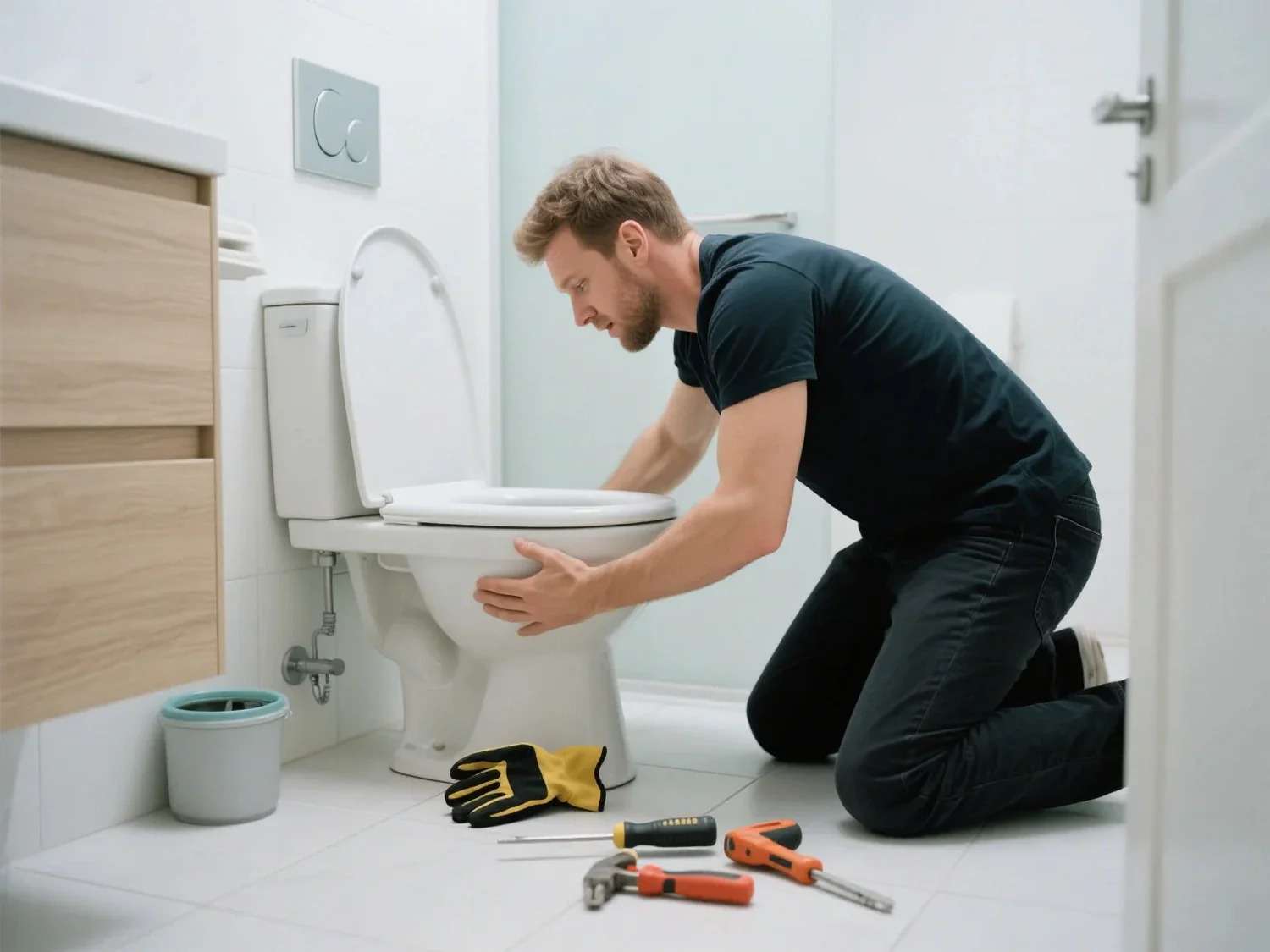
A bathroom is a high-impact environment.
Water hits tile and grout daily. Steam rises into the ceilings.
Plumbing lines carry pressure behind finished walls.
Fixtures are turned, pulled, and adjusted constantly.
All of it happens in a compact space where moisture has very little room to escape.
Damage rarely begins with a dramatic pipe burst or collapsing tile.
It usually starts with something subtle that blends into everyday routine.
A hairline crack. A soft patch near the tub. A faint change in texture on the ceiling.
Those early signals often get dismissed as cosmetic.
Living in Fort Myers changes how quickly minor issues escalate.
Humidity lingers in the air year-round, even outside the bathroom itself.
Surfaces dry slowly. Moisture hangs around longer than expected. That steady, damp environment amplifies small weaknesses in grout, sealant, and ventilation systems.
A minor oversight here can progress faster than it would in a drier climate.
Ignoring Signs of Structural Damage
Structural problems tend to be quiet and gradual.
A slight dip in the flooring near the shower entry.
Grout lines that continue to crack in the same location.
A baseboard that looks faintly swollen. Those details often point to moisture working its way below tile and into subflooring.
Water does not stay contained once it passes surface barriers.
It spreads into wood framing, loosens adhesives, and weakens the structural support that holds everything in place.
Professional evaluation at this stage prevents widespread deterioration. Fort Myers bathroom remodeling experts often identify compromised subfloor sections or early-stage wood rot before it reaches a breaking point.
Their assessment goes beyond surface appearance and focuses on what is happening beneath tile, behind drywall, and under fixtures.
Skipping Ventilation After Showers
Steam fills the room during a shower, then appears to disappear once the mirror clears.
Moisture, however, remains suspended in the air and settles into ceilings, paint, and cabinetry.
Without consistent exhaust fan use, humidity lingers and seeps into porous materials. In this way, paint begins to peel. Trim may warp.
Cabinet finishes lose their durability. The process unfolds slowly enough that it feels normal until visible damage appears.
Inside the walls and above the ceiling, the effects continue. Insulation absorbs moisture.
Wood framing remains damp for extended periods. In regions where outdoor air already carries significant humidity, skipping ventilation compounds the problem.
Running the exhaust fan long enough to clear the air fully protects both visible surfaces and hidden structural components.
Overtightening Plumbing Fixtures
Turning faucet handles too firmly seems harmless.
The internal components of plumbing fixtures, however, are designed for controlled pressure. Repeated force strains cartridges and seals, gradually deforming them.
Once those seals weaken, water can escape behind the wall rather than dripping visibly into the sink. The leak may be small, yet it continues daily.
Moisture behind finished surfaces spreads quietly.
Cabinet floors may begin to swell. Drywall can soften without immediate staining.
By the time visible signs appear, the damage has often traveled further than expected.
Gentle operation of plumbing fixtures protects the internal mechanisms and reduces the risk of hidden water intrusion.
Installing Incorrect Light Fixtures for Humid Conditions
Bathrooms expose lighting to ongoing moisture.
Standard fixtures not rated for damp environments corrode internally over time.
Condensation seeps into housings and begins affecting wiring and metal components.
Early signs might include flickering or subtle discoloration near the base of the fixture.
As corrosion progresses, electrical connections weaken. The fixture’s lifespan shortens significantly.
Properly rated lighting for humid conditions prevents internal deterioration and protects the ceiling cavity from moisture infiltration.
Choosing fixtures designed for the bathroom environment supports long-term performance.
Using Improper Anchors for Wall-Mounted Accessories
Towel bars and shelving absorb daily stress from pulling and weight. Installing them directly into drywall without reinforcement causes gradual loosening.
Even slight wobbling signals that mounting points are failing. Repeated movement enlarges screw holes and weakens the surrounding drywall.
Moisture in the air further softens wall materials in humid climates.
What begins as a loose towel bar can turn into torn drywall requiring patchwork and repainting.
Securing accessories into studs or using anchors designed for load-bearing applications protects the wall surface and prevents progressive damage.
Painting Over Moisture-Damaged Surfaces
Bubbling paint, peeling corners, or faint discoloration on the ceiling often tempt a quick cosmetic fix.
A fresh coat of paint can temporarily hide the problem and make the room look clean again. The issue beneath the surface, however, remains active.
Moisture trapped inside drywall continues to break down the paper layer and soften the gypsum core.
Covering it up does nothing to stop the underlying source, whether that source is poor ventilation, a slow plumbing leak, or compromised sealant.
The damage expands outward from the original damp area. Paint begins lifting again, sometimes in a wider pattern than before.
In places where humidity levels remain elevated most of the year, moisture struggles to evaporate fully from enclosed spaces.
Blocking Airflow Around the Exhaust Fan
Exhaust fans are designed to pull humid air directly out of the room.
Their effectiveness depends on unobstructed airflow.
Storing tall cabinets, stacked décor, or shelving too close to the fan intake reduces how much steam the unit can capture.
Even partial blockage limits circulation and leaves moisture suspended in the room longer than intended.
Extended humidity exposure settles into ceilings, upper walls, and light fixtures.
In a coastal environment, for instance, where background moisture levels are already high, limited ventilation intensifies the strain on materials.
Keeping the intake area clear and confirming that the fan vents properly to the exterior preserves air movement and helps protect finishes from gradual deterioration.
Delaying Regrouting After Tile Cracks Appear
Grout lines serve as protective barriers between tiles.
Small cracks might seem cosmetic at first glance, especially if the tile itself remains intact.
Water, however, travels easily through fractured grout and into the adhesive layer beneath.
Repeated exposure softens the bond holding tiles in place and gradually weakens the substrate below.
Moisture that reaches the subfloor or wall backing does not remain confined. It spreads laterally and may cause tiles to loosen or lift over time.
In humid regions, damp areas dry slowly, extending the exposure period.
Regrouting at the first sign of cracking restores the protective seal and prevents water from migrating beneath the finished surface.
Letting Hard Water Deposits Accumulate
Hard water leaves mineral buildup on showerheads, faucets, and inside aerators.
Over time, those deposits restrict water flow and alter how water moves through fixtures.
Reduced flow creates uneven pressure within plumbing components, increasing strain on seals and internal parts.
Accumulated minerals also trap moisture against metal surfaces, accelerating corrosion. What begins as surface residue eventually affects functionality.
Regular cleaning of aerators and showerheads preserves steady water pressure and limits unnecessary stress on plumbing systems hidden behind walls.
Bathroom damage develops through daily habits, overlooked maintenance, and small warning signs that seem minor at first.
Consistent attention keeps the bathroom stable, functional, and durable over time.