
Look, if you’re running any kind of industrial operation, you already know dirt and grime aren’t just cosmetic problems.
They’re safety issues. Compliance nightmares. Sometimes straight-up operational shutdowns waiting to happen.
Water blasters are the heavy hitters when it comes to cleaning stuff that regular equipment just can’t touch. But here’s where it gets interesting – buying one outright? That’s a whole different conversation than hiring one when you actually need it.
Let’s talk about what really matters when you’re looking at water blaster hire for industrial work.
Water Blaster Hire for Industrial Cleaning
Water blasting isn’t your weekend driveway cleaning situation.
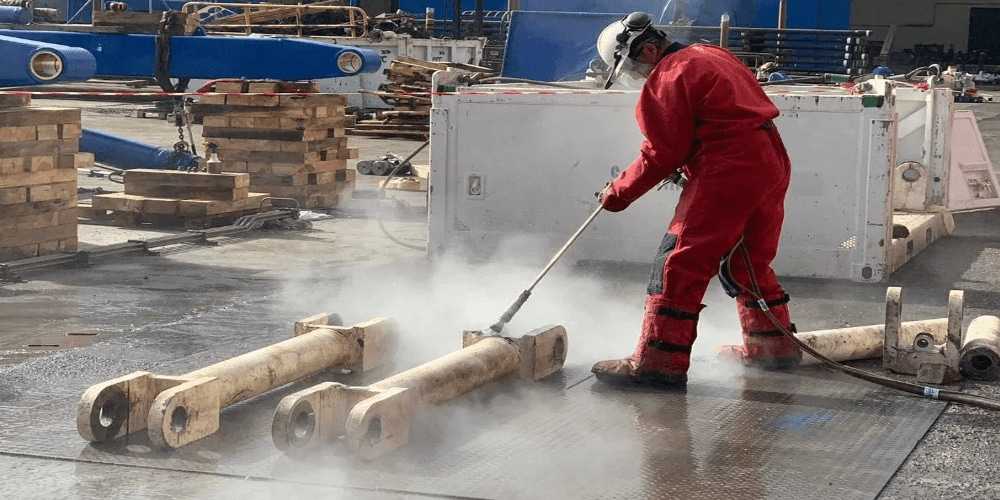
We’re talking serious equipment that pushes water at pressures high enough to strip industrial coatings, remove years of buildup, and clean surfaces that have seen some things.
The hire model makes sense for a lot of operations.
Maybe you need serious cleaning power twice a year. Or you’ve got a shutdown coming up and you need equipment that can handle three weeks of intensive work.
Buying that kind of gear means you’re also buying maintenance, storage, training, insurance – the whole package.
Hire companies stock this stuff because it’s what they do.
You get the machine, usually some basic instruction, and you’re off. When the job’s done, it goes back. No long-term commitment.
Key Benefits of Water Blaster Hire
Okay so why would you hire instead of buy? Let me give you the real breakdown here.
Cost Control
Buying industrial water blasting equipment can run you anywhere from a few thousand to – and I’m not joking – over fifty thousand dollars for the serious units.
That’s capital expenditure. That’s budget approvals and depreciation schedules and all that fun accounting stuff.
Hiring? You pay for what you use. Daily rates, weekly rates, whatever fits your project timeline.
The money comes out of operational budget, not capital. For a lot of managers, that’s way easier to justify.
Equipment Access
Latest Technology: Hire companies regularly update their fleet with the latest models, meaning you get efficient, reliable and fuel-efficient equipment.
You’re not stuck with whatever you bought five years ago. Technology moves. Pumps get better. Engines get more efficient.
Safety features improve. When you hire, you’re generally getting newer gear.
No Storage Headaches
Industrial water blasters aren’t small.
They’re not something you shove in a broom closet. You need secure storage, preferably climate controlled if you’re in areas with freezing temps. That’s real estate in your facility. Real estate costs money.
Maintenance Isn’t Your Problem
Pumps wear out. Seals fail. Engines need servicing. When you own the equipment, that’s on you. Your team. Your downtime. Your parts sourcing.
When you hire, the rental company handles all of that. You get a machine that’s supposed to work. If it doesn’t, that’s their problem to fix or replace.
Flexibility to Match the Job
Not every job needs the same pressure or flow rate. Maybe this month you’re cleaning concrete. Next month you’re doing surface prep that needs different specs.
Hiring lets you pick the right tool for each specific job instead of making one machine work for everything.
Types of Water Blasters for Industrial Applications
Water blasters come in flavors. Knowing which one you need keeps you from either underpowering the job or spending money on capability you won’t use.
Cold Water High Pressure Washers
These are your workhorses. Pressures typically range from about 3,000 PSI up to 10,000 PSI or more for industrial units. Cold water works great for removing dirt, loose paint, general grime.
You’ll see these on construction sites, in warehouses, anywhere you need to blast away buildup without heat.
Hot Water Pressure Washers
Add heat and you’ve got a different animal. Hot water cuts through grease and oil way better than cold.
If you’re cleaning equipment that’s been running, machinery with oil deposits, vehicle wash bays – hot water makes the job actually doable.
The trade-off is complexity. More components. Usually higher hire rates.
Ultra-High Pressure Water Blasters
Now we’re getting serious. 10,000 PSI and up. Some units push 40,000 PSI. At these pressures, water doesn’t just clean – it cuts. Removes coatings. Strips rust. Preps surfaces for recoating.
This is shutdown work. Tank cleaning. Situations where you need to remove everything down to bare substrate.
Trailer-Mounted vs Skid-Mounted
Trailer units are mobile. Hook them to a truck, take them wherever. Skid-mounted equipment gets loaded where you need it. Think about site access when you’re picking. If you’re going inside a building, a trailer might not make sense.
Common Industrial Uses of Water Blasting
Let me tell you where this equipment actually gets used because understanding the applications helps you spec the right machine.
Surface Preparation
Before you paint, before you coat, you need clean surface. Water blasting removes old coatings, rust, mill scale, contamination. It’s surface prep that actually works.
Concrete Cleaning
Warehouses get dirty. Loading docks get stained. Concrete in production areas accumulates years of spills. Water blasting brings it back without chemicals that might cause other problems.
Tank and Vessel Cleaning
Tanks that held product need cleaning before inspection or before switching what they hold. Water blasting can clean interior surfaces that you can’t reach any other way.
Graffiti Removal
It happens. Buildings get tagged. Water blasting removes paint without damaging most substrates if you know what you’re doing with pressure settings.
Equipment Degreasing
Heavy machinery, production equipment, anything that runs and has lubrication eventually needs serious degreasing. Hot water blasting handles this.
Line Marking Removal
Warehouses change layouts. Roads get remarked. Old line marking needs to go. Water blasting takes it off.
Choosing the Right Water Blaster for the Job
This is where people mess up. They either underspec and the job takes forever, or they overspec and waste money.
Assess Your Surface
What are you cleaning? Concrete can take serious pressure. Brick is more delicate. Wood, metal, asphalt – they all have different tolerance levels. Match your pressure to what the surface can handle.
Consider the Contaminant
Oil and grease? You probably want hot water. Loose dirt? Cold is fine. Heavy coatings? You’re looking at ultra-high pressure.
Flow Rate Matters Too
Everyone focuses on PSI but flow rate measured in liters per minute or gallons per minute determines how much area you can cover.
Higher flow means faster coverage. But it also means more water to manage.
Portability Requirements
Can you get a trailer to the work site? Do you need something that fits through standard doorways? Will you be moving it around a lot or setting it up once?
Duration of the Job
Day rental makes sense for quick jobs. Week or month rates come down on a per-day basis.
If you’re looking at extended work, talk to the hire company about longer-term rates.
Safety Considerations in Industrial Water Blasting
Water at high pressure will absolutely hurt you. It’ll cut you. It’ll inject itself under your skin. People have died from water blasting injuries.
Personal Protective Equipment
Safety glasses aren’t enough. Face shields. Hearing protection because these machines are loud. Protective clothing that covers skin. Steel-toe boots. Gloves rated for the work.
Pressure Awareness
Never point the lance at anyone. Ever. Not even as a joke. Treat it like a loaded weapon because at 10,000 PSI, it basically is.
Surface Reaction
Water blasting can make surfaces slippery. It can send debris flying. Set up your work area thinking about what happens when you pull that trigger.
Electrical Hazards
Water and electricity still don’t mix. Be aware of electrical sources in your work area. Overhead power lines if you’re outside.
Training Requirements
Just because you can rent the equipment doesn’t mean everyone should use it. Make sure operators actually know what they’re doing. Some hire companies offer basic training. Take it.
Water Blaster Hire vs Professional Cleaning Services
So here’s a choice you’ve got – hire the equipment and do it yourself, or hire a service that brings equipment and operators.
When DIY Makes Sense
You’ve got trained staff. The job is straightforward. You’re comfortable taking on the liability. You need flexibility on timing. Cost matters and you can save money by providing the labor.
When Professional Services Win
The job is complex or hazardous. You don’t have people with the right skills. The work needs to be done fast. You want someone else carrying the liability insurance for the actual blasting work.
Honestly? A lot of operations use both approaches depending on the specific situation. Routine cleaning might be in-house with hired equipment.
Specialized work like tank cleaning might get contracted out.
Factors to Consider When Hiring a Water Blaster
Right, so you’ve decided to hire equipment. Here’s what actually matters when you’re picking a supplier and making arrangements.
Company Reputation
Are they known for maintaining their equipment? Do they actually answer the phone when something goes wrong? Check around. Ask other industrial operations who they use.
Equipment Condition
Rental equipment gets used hard. That’s just reality. But there’s a difference between gear that’s been worked and gear that’s been abused. When you pick up, check it over. Does it look maintained?
Support and Service
What happens if it breaks down on a Saturday? Can you get a replacement? Who do you call? These questions matter when you’re on a deadline.
Accessories Included
What comes with the unit? Hoses, lances, nozzles, triggers – is that all included or are you paying extra? Different nozzle angles do different things.
Make sure you’re getting what you actually need.
Delivery and Pickup
Can they deliver to your site? What does that cost? If you’re picking it up, do you have appropriate transport? These machines aren’t light.
Rate Structure
Daily, weekly, monthly – what makes sense for your timeline? Sometimes a week rate is barely more than three days. Do the math.
Insurance and Liability
Who’s responsible if something goes wrong? What insurance do they require you to have? Read the rental agreement. Boring, but important.
Water blaster hire offers a powerful, flexible and economical solution for industrial cleaning challenges that come up across different sectors and situations.
Conclusion
Look, industrial cleaning isn’t optional. It’s part of running operations safely and efficiently.
Water blasters give you serious cleaning capability.
The hire model gives you access without the full commitment of ownership.
You get the equipment when you need it, at specs that match the job, without dealing with long-term maintenance and storage.
But you’ve got to be smart about it.
Pick the right equipment for what you’re actually cleaning.
Understand the safety requirements because this stuff is legitimately dangerous if misused. Work with hire companies that actually support their equipment.
And here’s the thing – start with smaller jobs to build confidence and skill before you tackle the really complex work.
Water blasting looks straightforward until you’re holding the lance and figuring out how much pressure that particular surface can handle.
The equipment works. The hire model works.
Make sure you’re setting up your people and your project for success by matching capability to need and taking safety seriously every single time.
That’s the real story of water blaster hire for industrial work.