Dreaming of cutting your energy bill without sacrificing comfort?
Most homeowners don’t realize heating and cooling their home accounts for the largest energy expenses every year.
U.S. households spend roughly $2,000 on energy bills annually, with $200-$400 of that going straight to heating, cooling, and air leaks.
Luckily,
Saving money on energy is simple with the right HVAC upgrades.
The most important step? Partnering with an experienced HVAC service provider who can recommend the right system size and ensures proper installation. Improper system size and installation are where DIY solutions fall flat.
Why Energy Efficiency Is Important for Your HVAC System
Your HVAC system makes up the largest portion of your home energy bill.
An inefficient system costs more to run, creates more wear and tear on your home, and fails quicker than a high-efficiency system.
Not only does your monthly spend go up, but your repair costs and parts will too.
Better indoor comfort is possible.
Upgrading to a system with a better energy-efficiency rating is one of the best choices you can make to improve your home.
Studies from the U.S. Department of Energy show that homeowners can lower energy usage by 20-50% by upgrading their heating and cooling systems.
Not only will energy efficient homes save you money, they’re worth more too.
Energy efficient homes sell for more than homes with low ratings according to Freddie Mac.
Interest you? Let’s dig deeper.
The Best HVAC Upgrades To Consider
Wait, what’s an energy-efficiency rating?
ENERGY STAR ratings measure how efficient your HVAC equipment is at converting electricity into heating/cooling power. The higher the better!
While nearly any upgrade you make will improve your efficiency over what you currently have. Here are the best upgrades to spend your money on:
High-Efficiency Heat Pumps
Heat pumps have been one of the most sought-after HVAC upgrades in recent years.
Instead of creating heat, they transfer heat from one place to another.
Due to this process, heat pumps can provide up to 75% less heating electricity than older electric resistance heating systems. Heat pumps also work in reverse to cool your home.
Ductless Mini-Split Systems
Forced air systems lose heat as air travels through your ductwork.
Ductless systems don’t have any ducts. Instead, they provide heating and cooling directly to the room you’re in.
By reducing the lost heating, these systems can save you 25-40% more energy than traditional central air conditioners.
Ductless mini-split systems are also ideal for home add-ons, older homes without ducts, or rooms that are too hot or cold.
Variable-Speed Systems
Old school HVAC units have a simple design. They’re either running or not.
Variable-speed systems use a more advanced method that adjusts output based on demand.
Variable-speed air conditioners run at much slower speeds for longer periods which equals less energy consumption and even temperatures throughout your home.
Don’t expect instant perfection.
Understanding your home’s heating and cooling needs is important.
Bigger isn’t always better when it comes to HVAC equipment. A system that’s too large will short cycle, not allowing the system to reap the benefits of its energy rating.
A system that’s too small will constantly be running, trying to catch up with the demand.
What you want is a system that runs evenly and matches the needs of your home.
Check out these ratings to ensure your new system is up to snuff.
Things To Know When Picking The Right HVAC System
SEER² Rating
TheSeasonal Energy Efficiency Ratio is the current cooling standard used for energy efficiency. A higher number equals more efficiency. If you live in a warmer climate pay close attention to this rating. Your system will be running more during warm months.
HSPF² Rating
Similar to SEER² ratings but for heat pumps. Heat Seasonal Performance Factor ratings measure efficiency for heat pumps only. Double check your region’s minimum requirement before installing.
AFUE Rating
Annual Fuel Utilization Efficiency is used for gas furnaces.
This ratio measures how well fuel is converted into heating energy. The higher the AFUE rating, the more efficient your furnace will be.
By size and installing correctly.
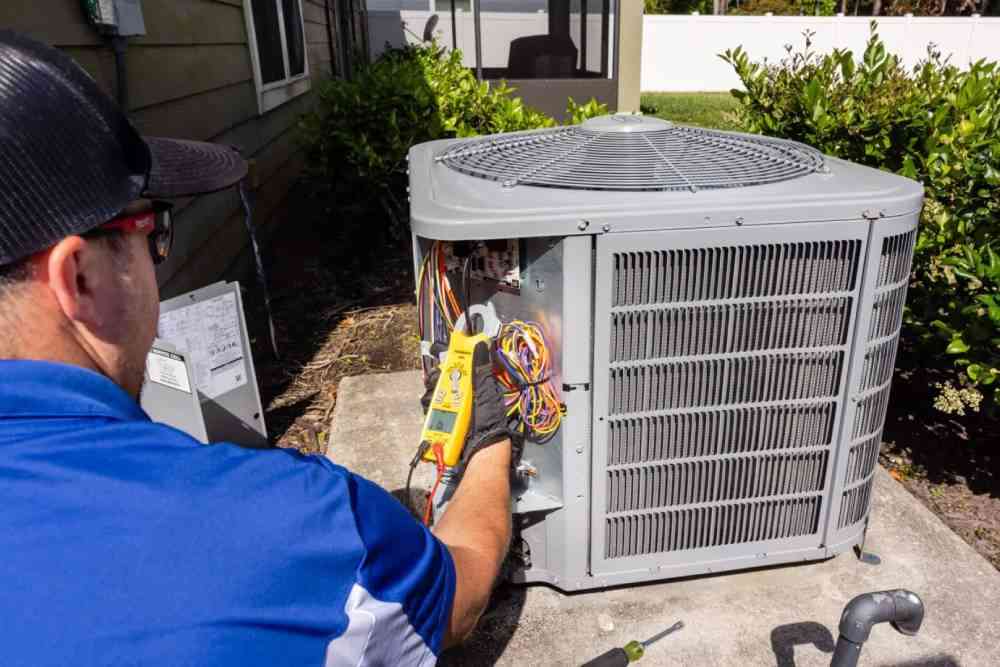
A quick Google search will show you hundreds of different HVAC systems, but how do you know which one is right for you? Professional HVAC technicians can calculate your homes load using a process called Manual J load calculation.
After inspecting your home’s layout and climate it will tell you the right system size your home needs.
The label is useless if your system isn’t sized or installed properly.
Look for Local HVAC contractors that have trained, certified installers.
Improper installation is the leading cause of systems not performing like they should.
Pair your new efficient system with a smart thermostat.
ENERGY STAR certified HVAC equipment can save homeowners between 10-30% on heating and cooling costs. Smart thermostats can save you about $100 a year.
Throw those two together and you’ve got yourself a winning combo.
Need more ideas? Check out these smart features:
- Zoning Systems allow you to adjust the temperature in one room separately from the rest of the house. You’ll never heat or cool an empty bedroom again.
- Remote Monitoring just about every HVAC system made today can connect to a smart app. Control your thermostat while on the go and track how much energy you’re using.
- Automated Maintenance Alerts Keep your system running smoothly by catching issues before they become costly problems.
Tax Credits and Home Incentives That Can Help
The initial investment is the biggest roadblock for homeowners when it comes to HVAC upgrades.
Luckily for you, our wallets, there are tax credits and incentives available right now that can help.
Homeowners are now able to qualify for a federal tax credit of up to 30% of the cost of installing qualifying energy-efficient HVAC systems.
There is a maximum credit of $2000 per year. This credit will be available through 2032.
This credit applies to heat pumps, high-efficiency systems, ductless HVAC systems, and more.
Does your state offer additional tax credits? They do! Check with your state’s legislation to see if there are additional tax credits you qualify for.
I’d also recommend checking with your local utility providers.
Many offer cash back incentives when you upgrade to Energy Star certified equipment.
Conclusion
Investing in an energy-efficient HVAC upgrade is one of the best decisions you can make for your home.
Here’s your quick checklist:
- Do your research on efficiency ratings (SEER², HSPF², AFUE).
- Get a Manual J load calculation to properly size the system.
- Consider upgrading to a heat pump, ductless mini-split, or variable-speed system.
- Install a smart thermostat.
- Take advantage of federal tax credits and local rebates.
Installing an energy-efficient HVAC system will save you money on your monthly energy bill, keep you more comfortable, and add value to your home.
Don’t sweat it, call a professional for help.