
People spend months choosing siding textures, outdoor lighting placement, patio layouts, landscaping patterns, and paint colors that make the house feel cleaner and more current.
Then suddenly the roof starts standing out in all the wrong ways.
Faded shingles, bulky roof edges, sagging lines, and uneven discoloration pull attention upward immediately, once everything underneath looks freshly updated.
Given this, roofs became impossible to separate from exterior design conversations.
The roof covers too much visual space to ignore anymore.
It affects how sharp the home feels from the street, how polished outdoor areas look afterward, and how long exterior improvements actually stay protected.
Starting With Roofing Professionals
A lot of exterior renovation plans used to begin with whatever upgrade felt most exciting visually.
Homeowners jumped straight into new siding, outdoor kitchens, decorative stonework, or modern paint palettes because those projects felt satisfying immediately.
Then, roofing problems started surfacing halfway through renovations, and suddenly the whole process became messy.
Water runoff landed where it should not, weak decking complicated installation work, and old flashing failed around newly upgraded surfaces.
Now, this has changed how people plan projects.
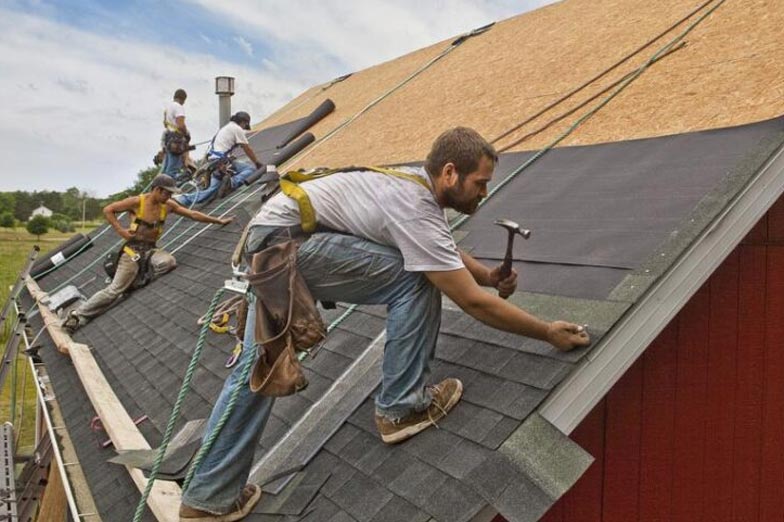
Many homeowners contact roof replacement experts before touching anything else outside because they want to understand what condition the structure overhead is actually in first.
Roofing inspections often reveal hidden trouble spots that directly affect surrounding upgrades later. Some families discover drainage issues near future patio areas.
Others uncover moisture damage around exterior walls scheduled for siding replacement.
Looking up roof replacement near me helps homeowners hire experts who can tackle roof issues professionally.
Siding and Roof Damage
Modern siding styles look incredibly crisp now.
Sharp vertical panels, dark matte finishes, natural wood textures, and cleaner exterior lines make homes feel dramatically newer, almost overnight.
The problem is that those upgrades make older roofing look even rougher afterward.
Once siding looks fresh and intentional, worn shingles immediately become the loudest thing on the exterior, whether homeowners expect it or not.
People notice that disconnect fast once projects finish.
Beautiful siding underneath a tired roof starts making the whole property feel halfway updated instead of complete. Roof stains become more visible.
Curling edges stand out harder.
Old patch repairs suddenly grab attention every time someone pulls into the driveway. That is exactly why more homeowners pair roofing upgrades with siding projects now.
Aging Rooflines
Some homes feel clean and modern because the roof carries a sharp structure naturally across the property.
Others feel visually heavy because the roof edges sag slightly or additions created awkward transitions over time.
Once exterior renovations begin, those inconsistencies become much easier to spot because cleaner upgrades underneath draw attention upward automatically.
Homeowners are paying closer attention to roof shape now because they want the house to feel visually balanced overall.
Straightened fascia, cleaner overhangs, corrected roof transitions, and rebuilt edges all help exterior renovations feel more intentional once completed.
Even subtle improvements around roof symmetry can completely change how polished the property feels afterward.
People are realizing the roof acts almost like the outline of the entire house.
Outdoor Living Spaces
Outdoor spaces became a huge priority for homeowners lately, especially once families started spending more time relaxing, hosting dinners, or working outside regularly.
Covered patios, pergolas, outdoor kitchens, firepit lounges, and shaded seating zones all depend heavily on the roof nearby, whether homeowners notice it initially or not.
Roof condition affects shade quality, drainage direction, visual comfort, and how finished those spaces feel during actual use.
A beautiful patio loses atmosphere quickly once damaged gutters drip beside seating areas, or aging roof edges hang overhead awkwardly.
Stronger roof coverage, cleaner drainage control, and healthier overhang structure help outdoor areas feel much more comfortable and complete afterward.
Some homeowners even redesign roof extensions specifically to improve outdoor usability because the roof itself shapes how enjoyable those spaces feel throughout the day.
Roofing and Drainage
Drainage problems have a way of ruining exterior upgrades quietly at first.
Homeowners install beautiful walkways, fresh landscaping, upgraded siding, and custom lighting, then water starts spilling from clogged roof valleys or poorly directed gutters during the first major storm.
Suddenly, mulch washes into pathways, patio corners stay soaked for days, and streaking appears down newly finished walls.
The roof controls far more water movement around the property than many people realize until those problems start showing up repeatedly.
Now, drainage planning is becoming tied directly to roofing conversations during exterior remodels.
Families want cleaner runoff control before investing heavily in the areas surrounding the home.
Better gutter placement, corrected roof slopes, improved flashing, and stronger water direction all help protect newer upgrades afterward.
Exterior Paint Projects
Fresh exterior paint enhances a home fast. New color palettes sharpen architectural details, brighten faded surfaces, and completely refresh street presence almost overnight.
The problem comes later once aging roofing starts affecting those newer finishes from above.
Overflowing runoff creates staining near trim, worn shingles drop debris onto lighter paint colors, and weathered roof sections suddenly make clean painted walls feel less impressive overall.
Given this, more homeowners are pairing paint projects with roofing improvements now.
They want the exterior aging at the same pace visually, instead of one section looking freshly updated while another still shows heavy wear.
Roofing upgrades help paint projects hold their impact longer because surrounding surfaces stop constantly pulling attention upward.
Roof Ventilation
Ventilation rarely sounds exciting during renovations until homeowners realize how heavily it affects the rest of the exterior afterward.
Poor airflow beneath the roof traps moisture and heat inside attic areas, which slowly affects surrounding materials over time.
Paint fades faster, siding absorbs more stress during temperature swings, and upper portions of the house start carrying uneven wear patterns much earlier than expected.
Ventilation improvements are becoming part of exterior renovation planning much more often now.
Ridge vents, soffit airflow systems, attic circulation improvements, and upgraded vent placement help roofing systems support the rest of the house more effectively year-round.
Damage Spread
Roof damage rarely stays isolated to one section for very long once moisture finds a path downward.
Homeowners sometimes finish expensive exterior upgrades thinking the property is fully refreshed, only to discover months later that hidden roofing weaknesses have already started affecting nearby surfaces quietly behind the scenes.
Water does not care whether the siding is brand new or the trim was painted last week.
This reality pushed families toward roofing repairs much earlier during renovation timelines.
Once leaks or weak roof areas remain unresolved, damage can travel into fascia boards, soffits, exterior ceilings, framing, and insulation surprisingly fast afterward.
Homeowners are becoming far less comfortable with “good enough for now” roofing situations while surrounding upgrades continue moving forward.
Modern exterior renovations feel far more complete once roofing problems are handled first because the roof influences structure, drainage, appearance, outdoor comfort, and long-term durability across the whole property.
Roofing became one of the most important parts of making exterior upgrades actually feel finished.