
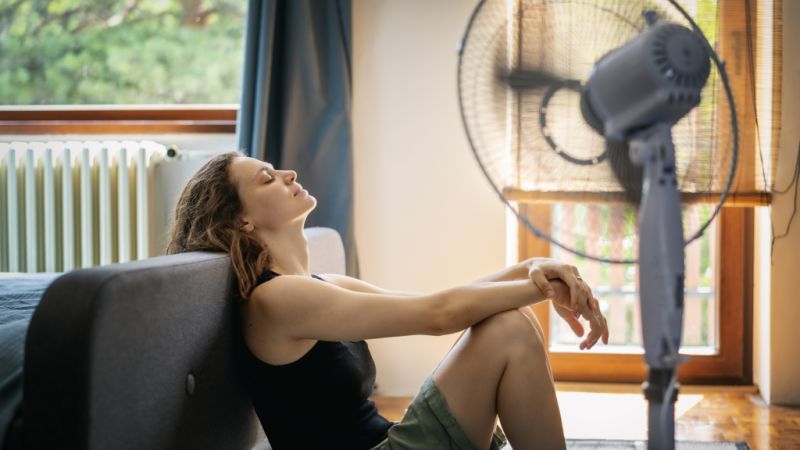
The mood inside a house changes fast when the air feels heavy and sticky for days at a time.
People sleep worse, tempers get shorter, and even simple chores start feeling irritating for no clear reason.
Most homeowners do not think much about cooling systems until the house suddenly feels uncomfortable in every room at once.
That shift becomes more noticeable now because people spend far more time at home than they used to.
Remote work, online school, streaming, home workouts, and long weekends indoors changed how hard houses get used during warmer months.
Rooms that once sat empty most of the day now stay occupied constantly, which means uneven temperatures and weak airflow become difficult to ignore pretty quickly.
Cooling Problems Affect More Than Comfort
A lot of people think cooling systems only matter during extreme heat, but the effects show up long before temperatures become unbearable.
Poor airflow changes how rooms feel emotionally.
Bedrooms become stuffy at night. Kitchens stay warmer than the rest of the house after cooking. Upstairs rooms feel impossible to cool evenly.
Small frustrations build slowly. Fans start appearing in every corner.
Windows stay closed because the outdoor humidity feels worse.
Family members argue over thermostat settings almost daily because some rooms feel freezing while others never cool properly at all.
At this point, homeowners start looking for the best air conditioning company to get the cooling problems fixed. Most families are not looking for luxury.
They want consistent comfort that does not require constant adjusting, complaining, or improvising every afternoon once temperatures rise.
Better Cooling Changes How People Sleep
One of the first things homeowners notice after cooling improves is sleep quality.
Rooms cool down faster at night, blankets feel comfortable again, and people stop waking up sweaty or restless at three in the morning because the air feels stale.
That matters more than people expect because poor sleep affects everything else quietly afterward. Patience gets shorter. Work feels harder.
Kids become crankier during the day.
People often blame stress or busy schedules without realizing the house itself has been adding discomfort for weeks.
Older cooling systems tend to struggle most during overnight hours because they cycle unevenly or fail to remove humidity properly.
The temperature might technically drop, but the room still feels damp or heavy. That is usually the difference homeowners notice after upgrading.
The house feels balanced instead of constantly fighting against the weather outside. And honestly, once people get used to sleeping comfortably again, they become much less tolerant of uneven cooling afterward.
Work From Home Changed Expectations
Remote work changed how people experience their homes during hot weather.
Years ago, uncomfortable rooms mattered less because most of the day happened somewhere else.
Now people spend long hours inside one space trying to focus while temperatures slowly rise through the afternoon.
A warm office feels distracting much faster when somebody is sitting there all day.
Noise became part of the problem, too.
Older systems run loudly, weak airflow forces extra fans into rooms, and calls get interrupted constantly by background noise.
Cooling affects more than comfort now.
It shapes concentration, routines, energy levels, and whether the house actually feels usable during normal weekdays instead of just evenings and weekends.
Humidity Quietly Changes Everything
People often focus only on temperature while forgetting how much humidity changes indoor comfort.
A house can technically be cool and still feel uncomfortable if moisture stays trapped in the air. Humidity affects sleep, flooring, furniture, and even how clean the house feels.
Sticky air makes rooms feel heavier. Towels dry slowly. Certain rooms develop musty smells that seem impossible to fully eliminate.
Better cooling systems handle moisture more effectively, which changes the feeling of the house in ways homeowners notice almost immediately. Air feels lighter.
Rooms stay fresher longer. Even cleaning becomes easier because damp conditions create fewer lingering odors and moisture problems.
This matters especially in older homes where insulation and airflow were not designed around modern cooling expectations.
Small humidity issues often spread quietly through the house for years before people realize how uncomfortable the environment actually becomes.
Families Use Shared Spaces Differently Now
Living rooms, kitchens, and family spaces carry more activity now than they did years ago.
People gather around televisions, laptops, gaming systems, phones, and charging stations all at once, which creates more indoor heat than homeowners sometimes realize.
Crowded rooms warm up quickly, especially during weekends or evenings when everybody is home together. Weak cooling systems struggle under that pressure.
Certain areas become uncomfortable while other parts of the house stay too cold.
Good cooling changes how these spaces function. Families stay together longer without everybody retreating into separate bedrooms searching for cooler air.
Kitchens remain usable during cooking.
Movie nights stop turning the living room into a heat trap after an hour.
It sounds small, maybe, but people spend a huge amount of their daily life adjusting themselves around indoor temperature without realizing how much it affects their routines.
Older Systems Create Constant Background Stress
Older cooling systems create the kind of stress people quietly get used to after a while.
Homeowners listen for strange noises, worry the unit will quit during a heatwave, and hesitate to lower the temperature because utility bills already feel high enough.
Some rooms stay too warm no matter what gets adjusted, so fans start appearing everywhere.
That low-level frustration builds slowly over time.
The house stops feeling reliable. Better cooling changes the atmosphere almost immediately because people stop thinking about the system all day long.
Rooms stay comfortable, temperatures feel balanced, and noise drops noticeably.
Most families are not chasing perfect conditions. They just want the house to stop feeling irritating every afternoon.
Better Cooling Makes the Entire House Feel Different
Most homeowners notice the mood change before they notice anything technical.
The house feels quieter, calmer, and easier to relax in once temperatures stay consistent.
People stop dragging fans from room to room, sleep improves, and certain stale smells disappear because airflow and humidity finally balance out properly.
Cooling also protects the house itself more than people realize.
Moisture buildup slowly affects walls, insulation, wood, and indoor air quality over time, especially in older homes.
Stable temperatures reduce some of that strain quietly in the background. That is why cooling problems eventually stop feeling like a minor inconvenience.
A house either feels comfortable to live in every day or it does not.