
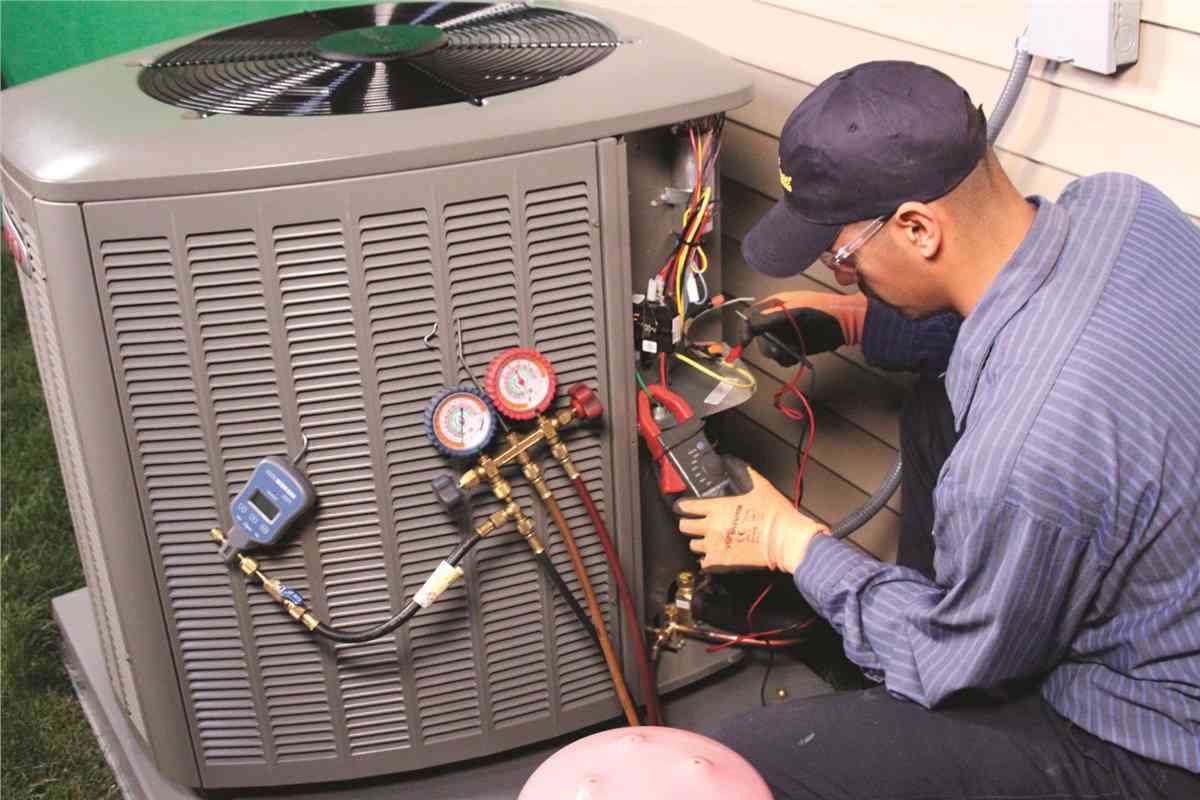
Summer in Bowie, Maryland can bring long days of heat, humidity, and heavy air conditioning use.
Before temperatures climb to their highest point, homeowners should make sure their cooling systems are ready to handle the season.
A small AC problem in spring or early summer can quickly turn into an expensive breakdown once the system starts running every day.
If your cooling system is already showing signs of trouble, scheduling service with Grove Heating and Cooling before summer peaks can help protect your comfort and prevent larger repair issues.
Knowing what to watch for gives you the chance to act early instead of waiting until your home is hot, uncomfortable, and difficult to cool.
Your AC Is Blowing Warm Air
One of the clearest signs your Bowie home needs AC repair is warm air coming from the vents.
If the thermostat is set to cool but the air feels warm or barely cool, the system may have a refrigerant issue, compressor problem, dirty coil, or airflow restriction.
Before calling for service, check that the thermostat is set correctly and the air filter is clean.
If everything looks normal but the AC still blows warm air, it is time to have a professional inspect the system.
Letting it run this way can waste energy and put more strain on the unit.
Weak Airflow From the Vents
Weak airflow can make your home feel unevenly cooled and uncomfortable. You may notice that some rooms feel fine while others stay hot and stuffy.
This problem can be caused by a dirty air filter, blocked vents, duct leaks, blower motor issues, or dirty evaporator coils.
Poor airflow forces your AC to work harder than necessary.
Over time, that added strain can lead to overheating, frozen coils, and higher utility bills.
If replacing the filter and opening vents does not improve airflow, professional repair may be needed.
Strange Noises During Operation
Your air conditioner should not make loud banging, grinding, screeching, buzzing, or rattling sounds.
These noises often mean something inside the system is loose, worn, or failing.
A rattling sound may point to loose hardware.
Grinding may suggest motor problems. Screeching can indicate belt or bearing issues.
Buzzing may be related to electrical trouble. Ignoring these sounds can allow minor damage to become a major repair, so it is best to schedule service quickly.
Unpleasant Odors From the Vents
Bad smells coming from your AC are another warning sign.
A musty odor may mean moisture, mold, or mildew is present in the system or ductwork.
A burning smell may point to overheating parts or electrical problems.
Musty odors are especially common in humid Maryland homes, where moisture can collect inside AC components. Burning smells should be treated as urgent.
Turn off the system and call for service if the odor seems electrical or smoky.
Your AC Keeps Turning On and Off
Short cycling happens when your air conditioner starts and stops frequently without completing a full cooling cycle.
This can be caused by a dirty filter, low refrigerant, oversized equipment, thermostat problems, or electrical issues.
Short cycling is hard on the compressor and can prevent your home from reaching a comfortable temperature.
It also reduces humidity control, which is important during Bowie’s hot and sticky summer weather. If your AC cycles constantly, it should be inspected before the problem worsens.
Rising Energy Bills
A sudden increase in your energy bill can be a sign your AC is losing efficiency.
When a cooling system has dirty coils, low refrigerant, worn parts, duct leaks, or restricted airflow, it must run longer to cool your home.
Higher energy bills are easy to dismiss as normal summer costs, but a sharp or unexplained increase may point to an AC problem.
Repairing the issue early can help reduce energy waste and prevent breakdowns during peak summer heat.
Water Leaks Around the Indoor Unit
Your AC removes moisture from the air, and that moisture should drain safely through the condensate line.
If you notice water pooling around the indoor unit, the drain line may be clogged, the drain pan may be damaged, or the evaporator coil may be frozen.
Water leaks should not be ignored. They can damage floors, walls, ceilings, and nearby belongings. Moisture can also encourage mold growth.
If water appears near your AC system, turn it off and schedule repair.
Ice on the AC System
Ice on your air conditioner is never a normal sign, even during hot weather.
Frozen evaporator coils can happen when airflow is restricted or refrigerant levels are low.
A dirty filter, blocked return vent, blower issue, or refrigerant leak may be the cause.
If you see ice on the system or refrigerant lines, turn the AC off and allow it to thaw.
Do not try to scrape or chip away the ice. Once thawed, a technician should inspect the system to find the underlying problem.
The Thermostat Is Not Responding Properly
Sometimes the issue is not the AC unit itself but the thermostat controlling it. If the thermostat is blank, inaccurate, delayed, or unresponsive, your cooling system may not run correctly.
Try replacing the batteries if your thermostat uses them.
Also make sure it is set to cool. If the thermostat still does not work properly, there may be a wiring issue or control problem that needs professional attention.
Your Home Feels Humid Indoors
A properly working AC should help reduce humidity while cooling your home.
If your Bowie home feels sticky or damp even when the AC is running, the system may not be removing enough moisture.
Possible causes include short cycling, low refrigerant, dirty coils, poor airflow, or an oversized system.
High indoor humidity can make your home feel warmer than it is and may contribute to mold and mildew problems. Repairing the AC can help restore both cooling and comfort.
Some Rooms Are Much Warmer Than Others
Uneven cooling is a common sign of AC or ductwork trouble.
If one area of your home stays cool while another remains warm, there may be airflow problems, air duct, poor insulation, blocked vents, or an aging system struggling to keep up.
Before calling for repair, check that vents are open and not blocked by furniture or rugs.
If the issue continues, an HVAC technician can inspect the system and determine whether the problem is with the equipment, ducts, or airflow balance.
The Outdoor Unit Is Not Running
Your AC depends on both indoor and outdoor components.
If the indoor blower is running but the outdoor condenser is silent, the system will not cool properly.
This may be caused by a failed capacitor, contactor problem, motor issue, or electrical failure.
Because outdoor unit problems often involve electrical components, they should be handled by a professional.
Continuing to run the system without proper outdoor operation can cause further damage.
Frequent Breaker Trips
If your AC trips the circuit breaker once, it may be a temporary issue. But if the breaker trips repeatedly, do not keep resetting it.
Frequent breaker trips can signal electrical overload, damaged wiring, compressor trouble, or a failing component.
This is both a comfort issue and a safety concern. Electrical AC problems should be repaired right away to avoid damage or hazards.
Your AC Runs Constantly
During very hot weather, your AC may run longer than usual.
However, if it runs nonstop and still does not cool your home properly, something may be wrong.
Constant operation can be caused by dirty coils, low refrigerant, air leaks, poor insulation, duct problems, or an aging system.
The longer the unit runs without solving the comfort problem, the more stress it experiences. Repairing the issue early can help prevent a mid-summer breakdown.
The System Is Older and Needs More Repairs
If your air conditioner is more than 10 to 15 years old, it may become more prone to breakdowns. Older systems often lose efficiency and may struggle during extreme summer heat.
Frequent repairs are a sign that the system needs close attention. In some cases, a repair can keep it running well. In others, replacement may be more cost-effective.
A professional inspection can help you understand your options before summer demand increases.
Why Early AC Repair Matters
Waiting until summer is at its hottest can make AC problems more stressful.
HVAC companies are often busier during heat waves, and a minor issue can become more expensive if the system continues running while damaged.
Early repair helps improve comfort, reduce energy waste, protect major components, and lower the risk of emergency breakdowns.
It also gives you peace of mind before your AC has to work its hardest.
How Bowie Homeowners Can Prevent AC Trouble
In addition to watching for warning signs, homeowners can take simple steps to protect their cooling systems.
Replace air filters regularly, keep vents open, clear debris around the outdoor unit, use a programmable thermostat wisely, and schedule annual maintenance.
Preventive care is one of the best ways to catch problems early.
A technician can inspect electrical parts, clean components, check refrigerant levels, test airflow, and make sure the system is ready for summer.
Final Thoughts
Your air conditioner usually gives warning signs before it fails completely.
Warm air, weak airflow, strange noises, bad odors, water leaks, ice buildup, short cycling, and rising energy bills can all mean your system needs repair.
For Bowie homeowners, addressing these problems before summer peaks can help avoid uncomfortable indoor temperatures and costly emergency service.
By paying attention to your AC’s performance and acting early, you can keep your home cooler, safer, and more comfortable all season long.