
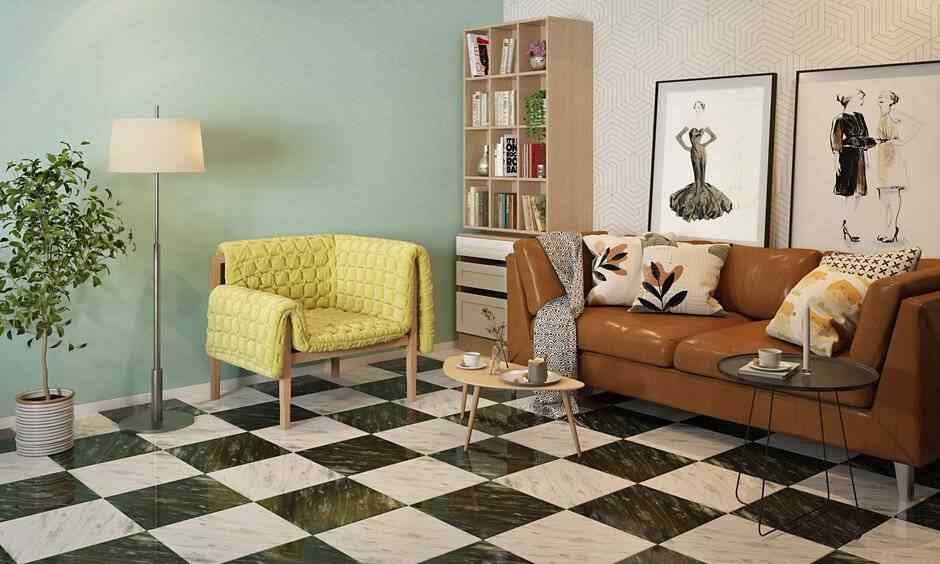
Okay, so you’re thinking about mosaic tiles for your floors. Smart move.
I’ve been writing about interior design for about 15 years now, covering everything from celebrity homes to renovation projects, and I can tell you that mosaic floors never really go out of style. They just don’t.
Here’s the thing. When you walk into a space with mosaic flooring, you notice it.
Could be a bathroom, could be an entryway, could be a kitchen backsplash that someone decided to bring down to the floor level.
Whatever it is, it catches your eye. And that’s kind of the whole point.
This guide is going to walk you through pretty much everything you need to know.
What mosaics actually are, the different types you can get, where they work best in your home, how to pick the right ones, and yeah, how to take care of them once they’re in.
I’m not going to overcomplicate this. Just real information based on what I’ve seen work in actual homes.
What Are Mosaic Floor Tiles?
So let’s start basic. Mosaic tiles are small format tiles.
Usually, we’re talking about tiles that are 2 inches or smaller, though you’ll see some variations.
They come mounted on mesh backing sheets, which makes installation way easier than you’d think.
The history here is actually pretty cool. Ancient Romans were doing this. Greeks too.
They’d take these tiny pieces of stone, glass, ceramic, whatever they had, and arrange them into patterns.
Some of those floors are still around today, which tells you something about durability.
Adding texture, pattern, and artistry to any floor, mosaic floor tiles have been a popular choice in interior design for centuries, and their appeal shows no signs of fading
Modern mosaics work on the same principle but with better materials and, honestly, easier installation methods.
You’re not placing each tiny piece individually anymore. They’re pre-arranged on sheets, typically 12×12 inches, and you install them like regular tile. Just smaller.
Types of Mosaic Floor Tiles
Alright, let’s break down what you’re actually going to find when you start shopping.
Ceramic and Porcelain
These are your workhorses. Porcelain’s a bit tougher than ceramic, more water-resistant, which is why you’ll see it recommended for bathrooms a lot.
Ceramic’s softer, easier to cut if you need to, but both work fine for most residential floors.
Porcelain can handle higher traffic.
If you’re putting mosaics in an entryway where people are tracking in dirt and water, porcelain’s probably your better bet.
Glass Mosaics
Really popular right now. They have this reflective quality that can make a small bathroom feel bigger. The light bounces around differently.
But here’s what I tell people: glass shows everything. Water spots, soap scum, dust. You’re going to be cleaning more often if you go this route.
Also, they can be slippery when wet, so maybe think twice about using them on a shower floor unless they have a textured finish.
Natural Stone
Marble, travertine, slate, limestone. These give you that high-end look, but they need maintenance.
Stone is porous, which means you’re sealing it regularly. Once a year, sometimes more if it’s in a wet area.
I’ve seen some gorgeous stone mosaics in luxury homes.
They age well if you take care of them. If you don’t, they stain and you’re going to be frustrated.
Metal Mosaics
Stainless steel, copper, bronze. These are more accent pieces usually.
I don’t see many people doing entire floors in metal mosaics, but as a border or a small section in a modern kitchen? Can look really sharp.
They scratch though. And they show fingerprints like crazy.
Benefits of Mosaic Floor Tiles
Why would you choose mosaics over regular large format tiles? Good question.
Design Flexibility
You can create patterns that you just can’t do with bigger tiles. Borders, medallions, gradients, geometric designs.
I’ve seen floors that look like art pieces because someone took the time to plan out a mosaic pattern.
Better for Curves and Slopes
Small tiles conform to curved surfaces way better than large ones. Shower floors, for example, need to slope toward the drain.
Mosaics handle that no problem. Try doing that with 12×24 tiles and you’re going to have a bad time.
Slip Resistance
This is big for bathrooms. All those grout lines give you traction. Your foot kind of settles into the texture.
Compare that to one large polished tile where you’re essentially standing on a smooth surface.
I always recommend matte finish mosaics for shower floors specifically because of this.
Durability
If one small tile cracks, you can replace it. With a large format tile, a crack means replacing a much bigger piece.
Also, because mosaics have more grout lines, they can handle substrate movement better.
Your house shifts a tiny bit over time, and mosaics are more forgiving.
Where to Use Mosaic Floor Tiles in Your Home
Not every room is a great candidate. Let me walk through where I see them work best.
Bathrooms
This is the obvious one. Shower floors almost always look better with mosaics.
You get that spa feeling, the traction is better, and they handle the slope to the drain perfectly.
I’ve also seen people do the entire bathroom floor in mosaics.
Works great in smaller bathrooms. In a huge master bath, you might want to mix it up, maybe mosaics in the shower area and larger tiles elsewhere.
Entryways
A mosaic pattern in your entry can be a real statement.
Sets the tone for the whole house. You walk in and immediately know someone paid attention to design.
Just make sure you’re using something durable here.
Porcelain, not glass. People are walking in with dirty shoes, rolling luggage over it, whatever.
Kitchens
Less common for kitchen floors, but I’ve seen it work. Usually as an accent area, maybe defining the cooking zone or under an island.
Whole kitchen floors in mosaics can feel busy, but that’s a personal preference thing.
Mudrooms and Laundry Rooms
Practical choice. Water-resistant, durable, easy to clean.
These are utility spaces where function matters more than anything, and mosaics deliver.
Popular Mosaic Tile Patterns and Designs
Pattern is where you get to have fun with this.
Hexagon
Super popular right now. Classic look but feels contemporary somehow.
Works in modern homes and traditional ones. You’ll see a lot of white hexagon mosaics in bathrooms.
Herringbone
This is when rectangular tiles are laid in a zigzag pattern. Looks more complex than it actually is to install.
Gives you visual movement, which is nice in a small space.
Basket Weave
Two tiles one way, two tiles the other way, creates this woven look. More traditional feeling. I see this in vintage-style renovations a lot.
Penny Round
Little circular tiles that look like, well, pennies. Very popular in the early 1900s, came back in a big way recently. Can feel retro or modern depending on the color you choose.
Random Mixed Patterns
Some people like to mix different colors or even different materials in a random pattern. This works if you have a good eye for it. It can also look chaotic if you don’t plan it out.
How to Choose the Right Mosaic Tiles
Alright, here’s how I’d approach this if it were my house.
Start With Your Wall Tile
If you’re doing a bathroom, pick your large format wall tile first. That’s going to be 90% of what you see, so get that right.
Then find mosaics that complement it.
Take samples home. I can’t stress this enough.
Tiles look completely different in your actual space with your actual lighting than they do under fluorescent store lights.
Consider Your Grout Color
This changes the entire look. White grout with white tile gives you a clean, seamless look.
Dark grout with light tile creates a grid pattern that’s more pronounced. Neither is wrong, just different aesthetics.
Think About Long-Term Cleaning
That gorgeous glass mosaic might look incredible in the showroom. But are you going to want to squeegee it down after every shower? Be honest with yourself about maintenance.
Match Your Home’s Style
A super modern metal mosaic probably doesn’t work in a farmhouse-style home. Doesn’t mean you can’t mix styles a bit, but there should be some coherence.
Check the Finish
Polished, matte, textured. For floors, especially wet areas, matte or textured is safer. Polished looks fancy but can be slippery.
Installation Guide for Mosaic Floor Tiles
I’m not going to pretend this is a complete DIY tutorial, but here’s the general process.
Prep Your Surface
Your subfloor needs to be level, clean, and stable. If you’re doing a bathroom, you need a waterproof membrane. This isn’t optional.
Water will find a way through grout and tile eventually, and you need that barrier.
Layout and Planning
Don’t just start in a corner. Find the center of your room, snap chalk lines, and work from there.
This ensures your pattern is centered and looks intentional.
For shower floors, you need to plan for the slope. Usually about a quarter inch per foot toward the drain.
Applying Thinset
Use the right trowel size. For mosaics, you typically want a smaller notch, like a 3/16 inch. Too much thinset and it squeezes up between the tiles. Not enough and they don’t stick.
Work in small sections. Thinset starts to skin over pretty quick, and you lose your bond.
Setting the Tiles
Press them firmly into the thinset. Some people use a beating block and tap them level.
Just make sure your spacing is consistent between sheets.
The mesh backing usually has built-in spacing, but check it.
Grouting
Wait at least 24 hours before grouting. Maybe longer depending on humidity and temperature.
Use unsanded grout for joints smaller than 1/8 inch. Most mosaics fall into this category. Sanded grout can scratch the tile surface.
Work the grout into all the joints, wipe off the excess with a damp sponge. Don’t overwipe or you’ll pull grout out of the joints.
Sealing
If you’re using natural stone, seal it. Grout should be sealed too, especially in wet areas. This prevents staining and makes cleaning easier.
Maintenance and Cleaning Tips
Once they’re in, here’s how to keep them looking good.
Regular Cleaning
Sweep or vacuum regularly. Dirt acts like sandpaper on your floors. For mopping, warm water and a pH-neutral cleaner work fine.
Don’t use anything acidic on stone or it’ll etch the surface.
Grout Care
Grout gets dirty. That’s just reality. A grout brush and some mild cleaner usually handle it.
For stubborn stains, a paste of baking soda and water can work.
If your grout is really trashed, you can have it professionally cleaned or even recolored.
Dealing With Stains
Act fast. The longer something sits, the harder it is to remove. For stone especially, blot spills immediately.
Resealing
Check your sealer annually. Put a few drops of water on the tile. If it beads up, you’re good. If it soaks in, time to reseal.
Fixing Damaged Tiles
If a tile cracks or comes loose, you can replace individual pieces.
Chisel out the damaged tile, clean the area, and set a new one. Because they’re small, repairs are less noticeable than with large format tiles.
Conclusion
So that’s the rundown. Mosaic floor tiles give you design options you can’t get anywhere else.
They’re practical for wet areas, they’re durable, and honestly, they just look good.
Are they the right choice for every space in your home? No. But in bathrooms, entryways, certain accent areas, they can completely change the feel of a room.
Take your time choosing. Bring samples home.
Look at them morning and night because light changes everything. And don’t be afraid to mix materials or patterns if that’s your style.
If you’re working with a contractor, make sure they have experience with mosaics.
Installation is different from regular tile, and the details matter.
The most important thing? Pick something you actually like.
Not what’s trendy, not what you saw in a magazine. What works for your home and your life.