
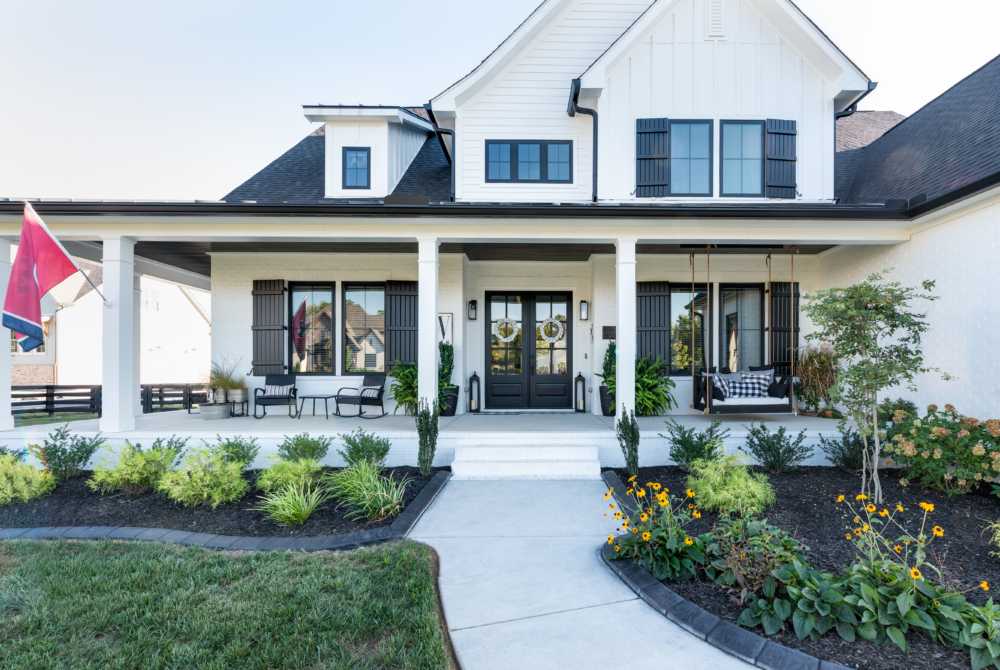
Walk down any Wisconsin street right now and you’ll see it happening.
White houses with black windows. Black trim everywhere. It’s like the entire Midwest decided neutral was the only answer.
But here’s what nobody’s telling you—just because everyone’s doing it doesn’t mean it’s right for your home.
I’ve been covering home design for over 15 years, and I can tell you this: Wisconsin homeowners are wrestling with a choice that’s trickier than it looks.
Black or white window frames? Seems simple, right? It’s not. Because what works in a magazine shot at golden hour might turn into black holes on your north-facing wall come January.
Your climate matters. Your home’s bones matter. And yeah, your neighbor’s choices probably matter more than they should.
Why Black or White Window Frames Best For Wisconsin Homes
Understanding Wisconsin’s Climate and Its Impact on Window Frames
Wisconsin weather doesn’t mess around.
You’ve got freezing winters where temps drop below zero for weeks.
Summers that hit 90 with humidity that makes everything stick. And those wild swings in between—40 degrees one day, snow the next.
This matters for window frames. A lot.
White frames reflect heat. During those brutal July weeks, that’s actually helpful.
Your house stays cooler, your AC works less. But come winter? White doesn’t absorb much solar heat either.
Not a huge deal if your windows are well-insulated, but it’s something.
Black frames, they’re heat magnets. In summer, black window frames can get hot enough to warp if they’re poor quality vinyl.
I mean really hot. And in Wisconsin’s sun, that’s a real concern. But winter? Black frames pull in whatever solar heat they can get. On south-facing windows, that’s a small win.
The freeze-thaw cycle is what really gets you though.
Water gets into tiny cracks, freezes, expands. Both black and white frames face this, but darker colors show weathering faster.
That chalky, faded look? You’ll see it on black frames before white ones.
The Timeless Appeal of White Window Frames
White window frames, they’ve been around forever for a reason.
They’re clean. They make your windows look bigger.
They reflect light back into rooms that already don’t get enough sun during Wisconsin’s gray months. And honestly? They just disappear. In a good way.
When you look out a window with white frames, you’re looking at the view.
Not the frame. That’s the whole point, right? You want to see your backyard, the snow on the pines, whatever. Not some heavy border demanding attention.
White frames work with basically every exterior color.
Cream house? Yes. Gray house? Sure. Even brick—white trim has been paired with red brick since, I don’t know, forever. There’s a flexibility there that black just doesn’t have.
The problem is everyone knows this now.
Drive through any new Wisconsin subdivision and it’s a sea of white houses with… more white. Or white with black windows because someone watched too much HGTV.
It’s predictable. Sometimes predictable is boring.
But you know what? Timeless usually beats trendy. A white frame isn’t going to look dated in five years. Can’t say that about every choice.
The Bold Elegance of Black Window Frames
Black windows, when done right, are stunning.
They’re architectural. They create definition. Dark frames add depth and structure to large windows, drawing attention to outdoor views and creating a bold visual statement. that white frames just can’t match.
I’ve seen colonial homes in Madison with black-framed windows that look like they’ve been there a hundred years. That’s the magic—black frames add a heritage quality, especially on certain home styles.
But here’s the catch nobody mentions in those Instagram posts: windows are already dark during the day. Look at any house right now.
The glass looks black because of how light reflects.
So when you add black frames, you’re doubling down. That can work if you’ve got other visual breaks—white trim, varied siding, something.
If you don’t, you’ve just created a wall of darkness.
And inside? That’s where it gets tricky.
You put black window frames in a white kitchen with no other black accents, and those frames are just sitting there, awkward.
You have to repeat that black somewhere—cabinet hardware, light fixtures, something—or it looks wrong. Like you forgot to finish decorating.
Black frames are having a moment, sure. But moments end. The question is whether you’re okay with that.
Energy Efficiency Considerations
Let’s talk about what actually matters with your heating bill.
Frame color is not the main game. The glass is. If you’ve got old single-pane windows, I don’t care if they’re black, white, or neon pink—you’re losing heat.
Get double or triple-pane glass with low-E coating. That’s where your money goes.
But frame color does play a supporting role.
Dark frames absorb more heat. In winter, south-facing black frames might warm up enough to reduce a tiny bit of heat loss at the frame edge.
In summer, those same frames can transfer heat inside. It’s not a massive difference, but it’s there.
White frames stay cooler in summer. Less heat transfer means less work for your AC. Not enough to make or break your energy bill, but enough that it counts.
Vinyl frames, whether black or white, are pretty good insulators compared to aluminum.
Fiberglass is even better. Wood is great if you’re willing to maintain it. The material matters more than the color, honestly.
Here’s what I’d say: if energy efficiency is your top priority, focus on glass quality and frame material first. Then pick your color.
Maintenance and Longevity
White frames show dirt. Black frames show everything else.
I mean, white window frames in Wisconsin? You’re cleaning them.
Spring pollen, summer dust, winter road salt splash—all of it shows up. But at least white frames clean easily. A hose and some mild soap, you’re usually fine.
Black frames hide dirt better, I’ll give them that. But they show fading, chalking, and scratches way more than white. UV exposure breaks down dark pigments faster.
After five or six Wisconsin summers, black vinyl frames can start looking gray or chalky. Not a good look.
If you go with painted wood frames in black, you’re repainting every few years. Maybe sooner on south and west exposures. White paint lasts longer before it looks tired.
Longevity-wise, quality matters more than color.
Cheap vinyl frames in any color will fail faster than good fiberglass or wood frames. But if we’re comparing apples to apples? White frames generally age better. They don’t show UV damage as obviously.
That said, some people don’t mind the weathered look on dark frames.
It can read as character instead of neglect, depending on your home’s style.
Colonial or farmhouse? Maybe weathered black looks right. Modern build? Probably not.
Matching Window Frames with Wisconsin Home Styles
Not every frame works with every house.
I’ve seen too many ranch homes with black windows that just look off. Like someone slapped a trend onto a house that wanted nothing to do with it.
Ranch homes, split-levels, most mid-century builds—they want lighter frames. White, cream, maybe tan. Black is too heavy for the proportions.
Colonial homes, craftsman bungalows, farmhouses? Black frames can look right at home.
There’s enough architectural detail—trim, columns, gables—to balance the weight of dark windows. The frames become part of the composition instead of fighting it.
Victorian homes in Milwaukee, the painted ladies with all that gingerbread trim? White frames. Always. Black would kill the delicate balance.
Modern builds with clean lines can handle black frames well. But here’s the thing—you need other dark elements.
A dark roof, dark garage door, something. Otherwise, your black windows are just floating there with nothing to connect to.
Brick homes are interesting. Red brick with white trim is classic Wisconsin.
Red brick with black trim can work, but it’s riskier. The black can’t be the only dark element, or it looks slapped on.
Think about your home’s bones before you pick a trend.
Cost and Availability
Here’s the money part.
Black window frames cost more. Usually 10-15% more than white, sometimes higher depending on the manufacturer. Why? Darker pigments are more expensive to produce, and black frames are trendy right now.
Manufacturers know people will pay.
White frames are everywhere. Every window company stocks them. Custom orders? Faster turnaround. Need a replacement part? Easy. White is the default, which means it’s cheaper and more available.
If you’re doing a whole-house window replacement in Wisconsin, that price difference adds up.
Twenty windows at 15% more each? You’re talking real money. Maybe $2,000-$3,000 extra depending on your setup.
Availability matters too. I’ve heard stories of black frames backordered for months while white frames ship in two weeks.
Supply chain stuff changes, but white is always safer if you’re on a timeline.
Resale value? That’s a gamble. Right now, black windows might appeal to buyers. In five years? Hard to say. White windows are neutral—they won’t help or hurt.
Black windows might be a selling point or a turn-off depending on whether the trend sticks.
If the budget is tight, white makes more sense. If you’ve got room and you’re confident in your design choice, black could be worth it.
Conclusion
So which one?
There’s no universal answer, and honestly anyone who tells you otherwise is selling something.
White frames are safer. They’re cheaper, easier to find, age better, work with more home styles. They’re the smart money bet if you’re unsure.
Black frames are bolder. They make a statement, create definition, look striking when done right. But they cost more, show wear faster, and don’t work with every home style. You need to be sure.
For Wisconsin specifically? Consider your home’s architecture first. If it’s colonial, craftsman, or modern with clean lines, black could work. If it’s ranch, split-level, or Victorian, probably stick with white.
Think about your exposure. South and west-facing black frames will fade faster.
North-facing black frames might create dark spots year-round.
And be honest about maintenance. If you don’t want to repaint or replace frames showing wear in five years, white is more forgiving.
The trend is real, but your house isn’t a trend. It’s where you live.
Pick what works for your home’s bones, your climate, your budget. Not what’s all over Pinterest.
Because in five years, you still want to love looking at those windows.
Not wishing you’d thought it through better.