
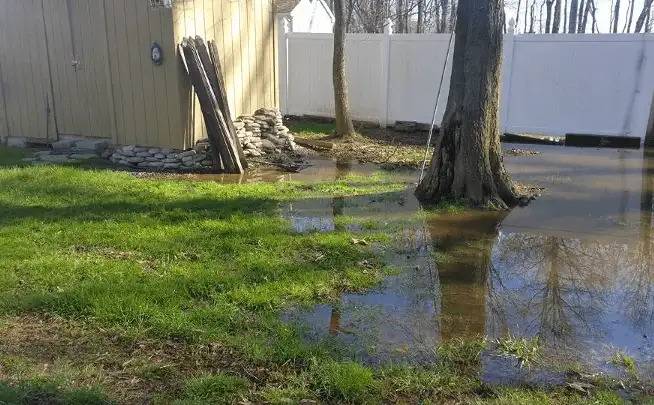
Water accumulation in backyards is a common issue that can lead to numerous problems if not managed properly.
It can arise from a variety of factors, including poor soil drainage, grading issues, and adverse weather conditions.
The importance of addressing water accumulation cannot be overstated, as it can prevent damage to landscaping and structures, while also eliminating breeding grounds for pests.
Effective strategies and techniques can significantly mitigate these risks.
This article aims to provide expert tips and actionable solutions to help manage and prevent water accumulation effectively.
Understanding the Causes of Water Accumulation
Water accumulation can occur due to several reasons.
One prevalent cause is poor soil drainage, which prevents water from infiltrating the ground at a sufficient rate.
Additionally, grading issues can lead to improper water flow, resulting in water pooling in undesired areas.
Backyard features such as slopes, patios, and other structures can also influence water movement and exacerbate drainage problems.
Weather patterns and seasonal changes play a crucial role as well, influencing the frequency and severity of water accumulation.
Identifying the specific causes of water accumulation in a backyard is essential for tailoring effective solutions to the problem.
Assessing Your Backyard’s Drainage Needs
Understanding your backyard’s drainage needs begins with evaluating existing drainage efficiency.
Observing where puddles form during or after rainfall can provide insight into potential trouble spots that may require attention.
Areas near structures or low spots in the yard are common problem areas that can benefit from targeted interventions.
Professional assessment tools and techniques are available for a comprehensive analysis of a yard’s drainage capabilities.
Creating a drainage map can be an invaluable tool for planning and implementing solutions, as it provides a visual representation of the current situation and highlights areas needing improvement.
Implementing Effective Drainage Solutions
Several effective solutions can help manage excess water in a backyard. Installing French drains is a popular choice due to their ability to channel water away from problematic areas.
These drains consist of a trench filled with gravel and a perforated pipe that redirects water, effectively reducing pooling.
Another option is the creation of a dry well, which improves infiltration by allowing water to soak into the ground rather than remaining on the surface.
This method is particularly beneficial for areas with heavy rainfall or poor soil drainage.
Rain gardens are another natural and aesthetically pleasing way to manage runoff.
By strategically placing native plants that thrive in wet conditions, these gardens can absorb excess water, reduce runoff, and enhance the landscape.
Enhancing soil drainage with organic matter, such as compost, can also improve soil structure and facilitate better water infiltration.
Landscaping Techniques for Improved Water Management
Strategic planting and selection of plants can significantly contribute to water management.
Choosing plants that are well-suited to local climate conditions and have low water requirements can be beneficial.
Additionally, terracing the landscape can help divert water and prevent erosion on slopes.
Incorporating permeable paving materials, such as gravel or permeable pavers, can reduce runoff by allowing water to seep through the surface.
Landscaping design ideas that integrate water management practices not only help solve drainage issues but also enhance the yard’s aesthetic appeal.
Features like dry creek beds and rain chains can add a decorative element while serving a functional purpose.
Ongoing Maintenance and Prevention Tips
Maintaining effective drainage solutions requires regular attention.
Clearing debris from drains and gutters ensures that water can flow freely.
Routine inspections can help identify signs of drainage failure, such as water pooling or erosion, allowing for timely interventions.
Seasonal maintenance, particularly in preparation for heavy rainfall, can further prevent water accumulation problems.
Consistent monitoring of the backyard’s drainage condition is vital to prevent future issues and ensure the long-term effectiveness of implemented solutions.
Conclusion
Managing water accumulation in your low maintenance backyard involves understanding its causes, assessing drainage needs, and implementing effective solutions.
Regular maintenance and strategic landscaping techniques are crucial for prevention and management.
Timely and effective water management practices are essential to avoiding damage to landscaping and structures, as well as reducing pest habitat.
By following the expert tips and solutions provided, homeowners can fix backyard drain problems and improve their property’s overall health and value.
Assessing and enhancing your backyard’s drainage now can yield long-term benefits and peace of mind.