
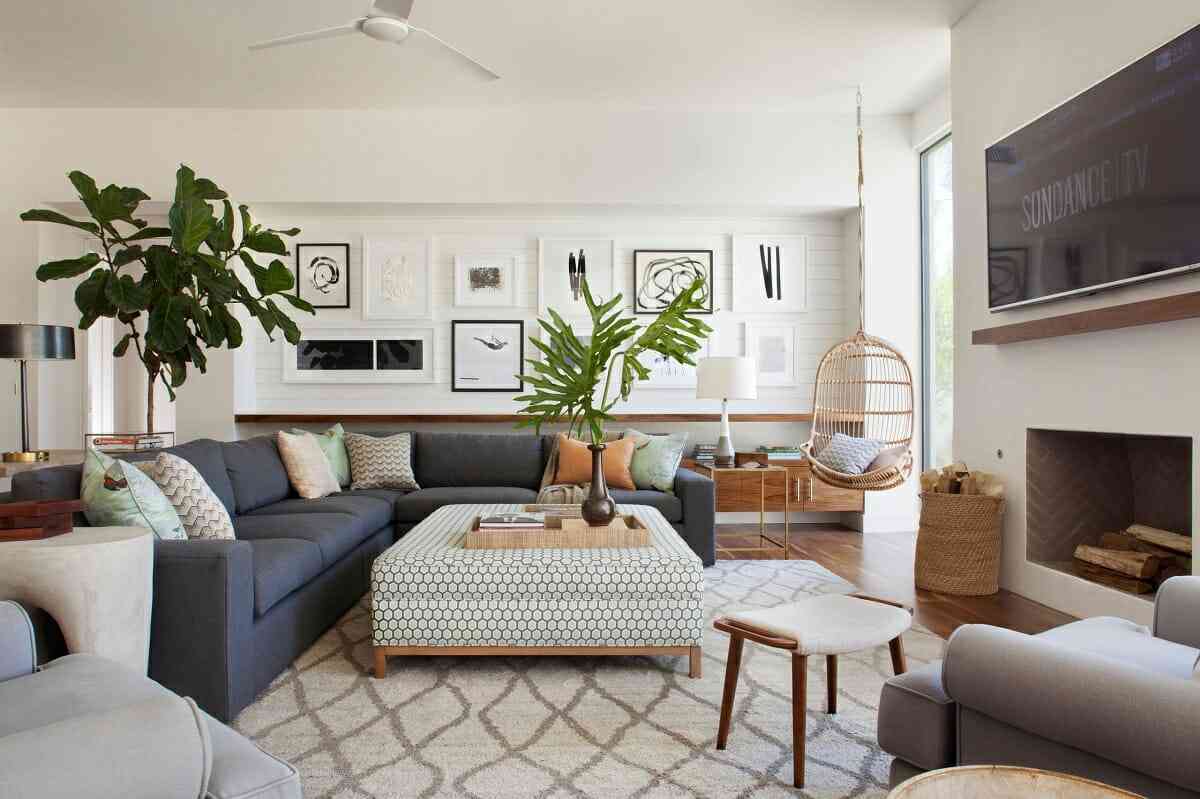
Have you noticed how quickly family life can change? One year the house feels spacious and calm. The next year it feels crowded and noisy.
Many households in Virginia Beach understand this shift well.
Coastal growth, remote work and rising home prices are reshaping how families live.
Moving is not always simple or budget friendly. Renovating often makes more sense than packing boxes all over again.
Home improvement has become less about style and more about adaptability. Families want spaces that evolve with them.
They want rooms that function today and still make sense tomorrow.
In this blog, we will share practical strategies for planning home upgrades that keep pace with changing family needs and modern life.
Future-Proofing Bathrooms for Comfort and Accessibility
Bathrooms often reveal how well a home handles change.
A growing family needs extra storage and durable surfaces.
For example, your aging parents may require features that are centered around safety. And it’s not just older people, even younger homeowners benefit from thoughtful, future-ready design.
Simple updates can make a noticeable difference – wider doorways allow easier movement, walk-in showers reduce tripping risks.
Then there is non-slip flooring that adds peace of mind.
These features do not have to feel clinical or cold. Modern designs blend safety-forward planning with clean, stylish finishes.
Working with a reliable Virginia Beach bathroom remodeling company can clarify which upgrades fit both current needs and long-term plans.
Professional guidance helps balance beauty and everyday function.
Families can choose water-saving fixtures that lower monthly utility bills.
Plus, extra lighting improves visibility for all ages.
A well-planned layout creates breathing room during busy mornings.
A bathroom designed with the future in mind feels calm instead of cramped.
Creating Multi-Generational Living Solutions
Multi-generational households are becoming more common across the country.
The reasons are pretty evident. Rising costs and cultural traditions both influence this trend. Grandparents may move in to help with child care.
Adult children may return home while saving for their own place.
So homes need to adjust to these shifts. Separate living areas offer privacy and independence. Finished basements or converted garages can become self-contained suites.
Adding a small kitchenette increases convenience. Sound-insulated walls reduce tension between generations.
These updates do more than increase square footage.
They strengthen family connections – shared spaces encourage time together.
Private zones allow personal space. Careful planning keeps small frustrations from turning into major conflicts.
A future-ready home understands that family structures evolve over time.
Investing in Energy Efficiency and Resilience
Recent weather events and rising energy costs have changed how people think about housing.
Storms, heat waves and power outages highlight the need for resilience.
Energy-efficient upgrades protect both comfort and household finances.
Improved insulation keeps indoor temperatures stable year-round.
High-performance windows reduce drafts and outside noise.
Solar panels offer long-term savings and environmental advantages. Smart thermostats adjust automatically based on daily routines.
These improvements may not look flashy.
They rarely trend on social media feeds. Still, they provide steady returns over time. Lower utility bills ease monthly expenses.
Reliable systems reduce emergency repair costs. Future-ready homes address climate realities instead of ignoring them.
Planning Storage That Grows with the Family
Clutter has a quiet way of multiplying – that much is clear.
Toys, sports gear, holiday decorations and work supplies add up quickly.
Without adequate storage, even larger homes can feel tight. It is a literal mess.
Built-in shelving maximizes vertical wall space.
Under-stair storage turns overlooked areas into practical zones.
Closet system organizers keep clothes and shoes manageable. Mudrooms create a buffer between the outdoors and the rest of the home.
Storage planning should reflect real life habits. Does the family spend weekends outdoors? Dedicated space for bikes and beach gear becomes essential.
Are hobbies part of everyday life? Designated cabinets keep supplies contained. When storage supports routines, daily life flows more smoothly.
Prioritizing Health and Well-Being at Home
Healthy indoor spaces are all the rage these days.
Clean air and natural light reign supreme in home design.
More time is now being spent at home than in past decades – thanks to the pandemic. Because of this, the way a home feels has taken on greater meaning.
Better airflow can be created by upgrading ventilation systems.
Fresh air is allowed to move through the house more freely.
Low-chemical materials can be selected to reduce contact with harmful substances.
Larger windows can be installed to bring in more sunlight.
Rooms are made brighter and more open. Even a few houseplants can be added for good measure. The objective here is to make the space as inviting as possible.
Emotional comfort is also affected by design choices – quiet corners can be set up for reading or relaxing and outdoor patios can be arranged to encourage time outside.
Small updates can shape daily moods in subtle ways.
A future-ready home is designed to support both physical health and peace of mind.
Budgeting with Long-Term Vision
Renovation budgets require thoughtful planning.
It can be tempting to focus only on visible updates. However, future-ready planning looks beyond short-term trends.
Allocating funds to structural improvements often pays off later.
Updating plumbing or electrical systems prevents expensive surprises.
Durable materials reduce the need for frequent replacements. Investing in skilled craftsmanship protects long-term property value.
Families should consider how long they expect to stay.
Short-term ownership may favor cosmetic improvements – long-term living often justifies deeper structural investments.
Clear priorities keep spending aligned with larger goals.
Embracing Technology Without Overcomplicating Life
Smart home devices are everywhere now – doorbell cameras, automated lighting and voice assistants waiting for commands are slowly taking over our lives.
Convenience sounds great. The real test is choosing tech that actually improves daily life.
Simple systems usually win – such as smart locks boost security and add flexibility.
Automated lights cut down on wasted energy and integrated security systems offer peace of mind. No drama. Just function.
Too many gadgets create stress. Notifications buzz all day.
Apps pile up on phones. Technology should make life easier, not harder.
Good design balances innovation with ease of use. The goal is comfort. Clarity. Not confusion.
Homes mirror the people inside them. Families expand – and then they shrink, directions shift and children grow into teenagers.
Parents grow older. Careers pivot. Priorities change. A home that adjusts with those shifts feels supportive. Not restrictive.
Future-ready improvements center on flexibility. Safety matters. Efficiency matters.
Comfort matters too. Life rarely moves in a straight line.
Smart upgrades prepare for change instead of scrambling during emergencies. Small decisions made today shape everyday living for years.
What’s the takeaway here? Plan for tomorrow while handling today.
Ask honest questions about what might change.
Choose upgrades that last. When a home grows with its family, it becomes more than walls and a roof. It becomes steady ground for whatever comes next.