
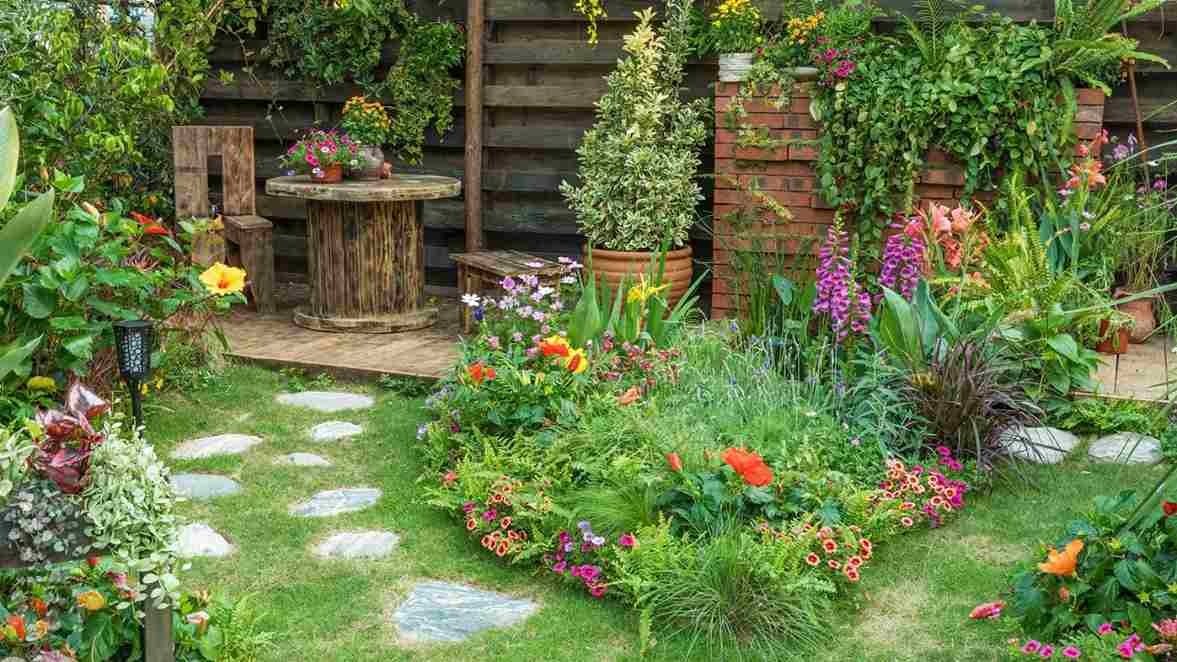
Have you looked at your backyard and thought, this could be better.
That’s where garden guide homenumental comes in.
Homenumental is about taking ordinary yards and turning them into outdoor spaces worth looking at.
It’s perfect for modern homeowners who want more than a functional garden, they want something that feels like a personal retreat, a place to express themselves, and a space to relax in.
This guide is going to help you create a garden that has the right notes, something that looks amazing, works for how you live, and keeps growing and evolving.
We’re not only talking about planting a few flowers but we are talking about building an outdoor space with personality.
Here in this post, we’ll walk through everything you need to know to create your garden guide homenumental garden.
We’ll cover planning your space, picking the right plants, adding structure with hardscaping, creating eye-catching focal points, and all the finishing touches that make a garden complete.
About Homenumental: The Overview
If you are thinking “what is homenumental?” It is garden design with purpose and impact.
The Homenumental website guides you through creating outdoor spaces that make you stop and say wonder.
It’s not only about nice plants but it’s about creating a garden with strong visual elements, clear structure, and a sense of scale.
What makes a homenumental garden different then it’s about intention.
Every plant, path, and patio has a reason for being there.
These gardens focus on creating layers of interest, mixing textures and heights, and including statement pieces.
The best part is this approach works whether you have a small city patio or a sprawling suburban yard.
Garden Guide Homenumental: Tips for a Beautiful, Functional Landscape
If you are ready to create your own amazing outdoor space then let’s break down on how to bring the homenumental approach to your yard.
Assess the space before designing
I can’t stress this but measuring and planning before you plant will save you time.
I learned this the hard way after planting a maple tree close to our house.
Start by walking your yard at different times of day like where does the sun hit, where’s that soggy spot after it rains, then take notes about what’s working and what’s driving you crazy.
Now grab paper and sketch out your yard.
A basic map showing your house, property lines, and existing trees or structures.
Then think about how you want to use the space.
According to garden design experts at Better Homes & Gardens, successful gardens have clear “rooms” or zones that give the space purpose and make it feel large.
Choose plants for Impact
Plants are the stars of your garden.
When choosing them, think in layers like tall trees and shrubs in the back, medium plants in the middle, and short ones up front.
This creates depth that makes your garden look pro.
Create a visual flow by repeating certain plants throughout your yard like clusters of ornamental grasses that catch the breeze, or pops of the same flowering shrub in different corners.
This connects different areas and makes your yard feel cohesive.
Choose a style that speaks to you like if you love the relaxed look of cottage gardens with their mix of flowers, or you’re into the clean lines of modern design.
Your style helps guide your plant choices.
When picking specific plants, consider:
Height and presence: Include some statement plants that grab attention.
Color and season: Choose plants that give you something pretty to look at year-round.
You can also try planting pre chilled bulbs to bring early blooms into your garden with very little effort.
Texture and contrast: Mix feathery grasses with broad-leaved plants for contrast that catches the eye.
Hardscaping for structure and style
Hardscaping is only a fancy word for the non-plant stuff in your garden like paths, patios, walls, etc.
These elements create the “bones” of your garden that look good even in winter.
For pathways, you’ve got many options.
We went with simple gravel paths in our backyard because they’re cheap and let water drain.
But you want stepping stones through a lush garden area or a proper brick path to your front door.
Patios and seating areas are where you’ll enjoy your garden.
Make sure they’re big for your furniture plus room to move around.
A small cramped patio won’t get used.
Arbors, pergolas, trellises, these add height and can make a small space feel large by drawing the eye upward.
Define the space with focal points
Every garden needs something that makes it amazing.
Garden focal points are like the statement pieces of your outdoor space, they pull everything together and give your eye somewhere to land.
Different gardens call for different focal points.
For formal gardens, a centered fountain or statue works beautifully.
For casual spaces, it’s an unusual specimen tree or a colorful garden bench tucked into a corner.
Place focal points where they’ll get noticed like at the end of a pathway, visible from your main seating area, or framed by an archway.
Our blue garden gate became an accidental focal point that everyone notices.
Decor, Lighting and Finishing Touches
This is the fun part where your personality shines.
Garden decor can be anything from whimsical garden gnomes to sleek modern sculptures.
Lighting is important but sometimes forgotten.
Layer your lighting like you would indoors. We added:
- Path lights to guide the way
- Spotlights to highlight pretty trees or garden art
- String lights over the patio for that magical twinkly feeling
- Solar lanterns on tables for that perfect glow when eating outside
Your choice of materials ties everything together.
If you’ve got a modern-style home, continue that look outside with clean-lined planters and furniture.
For a cottage-style house, rustic elements feel right.
Our garden went from feeling like a random collection of plants to a cohesive space.
Maintenance Tips for Garden
The prettiest garden needs upkeep but smart planning can make maintenance easier.
Each season needs different kinds of love:
- Spring: Pruning, mulching, and getting ahead of weeds
- Summer: Regular watering and deadheading spent flowers
- Fall: Cleaning up, dividing overcrowded plants, and planting bulbs
- Winter: Protecting sensitive plants and planning next year’s additions
Focus on keeping your plants healthy by giving them what they need is the right amount of sun, proper spacing, and good soil.
Gardens evolve over time. Plan for plants getting big by giving them space to grow.
Our hydrangeas looked tiny when first planted, but three years later they’re huge and gorgeous.
Budgeting and Cost Management
Gardens can cost a fortune if you’re not careful.
Having a plan before you shop saves money.
Decide which areas you’ll tackle first, and which can wait until next year.
Some money-saving tips that work:
- Start small plants instead of large ones
- Join local garden clubs for plant swaps
- Shop end-of-season sales at garden centers
- Use mulch to reduce watering needs and suppress weeds
DIY projects can save cash while adding personality.
We built our own raised beds from cedar boards instead of buying kits.
Simple projects like painting terracotta pots or building a basic trellis are perfect for beginners.
Do’s and don’ts for garden
Do’s:
- Do test your soil before planting anything
- Do choose plants that match your climate zone
- Do group plants with similar water needs together
- Do leave enough space between plants for growth
- Do add mulch to retain moisture and reduce weeds
- Do include native plants to attract helpful pollinators
- Do consider all four seasons when selecting plants
- Do start with good soil preparation
- Do create a proper edge between lawn and garden beds
- Do invest in quality tools that will last years
Don’ts:
- Don’t overplant
- Don’t ignore your yard’s natural drainage patterns
- Don’t forget to check mature plant sizes before buying
- Don’t place plants that need frequent attention in hard-to-reach spots
- Don’t choose high-maintenance plants
- Don’t forget to water deeply but less frequently
- Don’t pick plants just because they’re pretty
- Don’t forget vertical space like walls, fences, and trellises
- Don’t underestimate the importance of pathways for maintenance access
- Don’t try to do everything at once
Conclusion
Creating a garden guide homenumental isn’t something that happens in one night or day and that’s the beauty of it.
Gardens grow and evolve like we do.
The journey of transforming your outdoor space is as rewarding as the final result.
Start with a solid plan, focus on good structure, choose plants that bring you joy, and add the special touches that make it yours.
Remember that the best gardens aren’t the perfect ones you see in magazines but they’re the ones where memories are made, where you feel at peace, and where you want to spend your time.
Your garden may start small like one beautiful corner this year which is okay.
Add to it season by season, and before you know it, you’ll have created an outdoor space that feels both impressive and meaningful and this garden guide homenumental helps you to create a backyard which is amazing and gorgeous.