
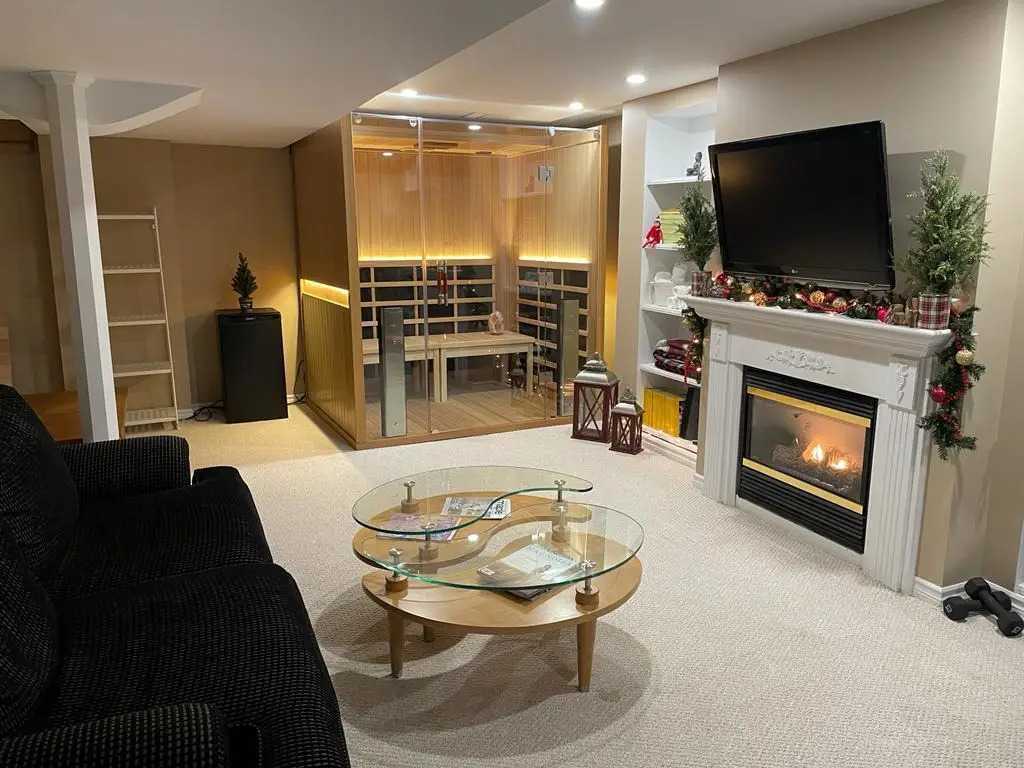
Saunas have amazing health advantages. For generations, people have utilized them.
You no longer need to go to a far-off spa.
This is a potent experience that you may take home. The cost of a personal sauna is high. It’s a direct investment in your long-term health.
Establishing a space that you will often use is crucial. This is an accessible daily sanctuary, not a neglected area of your house.
This essay will walk you through the process of making your home sauna a productive addition to your daily routine.
Our goal is to assist you in making a wise and practical decision.
Consistent heat therapy has obvious benefits.
Saunas promote long-lasting, profound relaxation.
They are useful instruments for stress management.
Your body’s core temperature rises due to the heat. It mimics the symptoms of a healthy, moderate fever. Your heart rate rises. Naturally, blood vessels enlarge.
This greatly enhances circulation throughout the entire body.
Healthy perspiration releases pollutants and toxins. Afterward, there is a great sense of clarity and serenity.
Frequent use is linked to better cardiovascular health.
Additionally, it can significantly enhance the quality of your sleep.
Owning a home makes the routine very simple because you have total control over the session schedule and there is no commuting time.
Perhaps the most crucial factor for consistency is convenience.
A sauna that isn’t utilized soon turns into a costly piece of furniture.
A well-positioned, integrated one turns into a potent everyday health resource.
Choosing the Right Technology
Choosing the type of sauna you want is the first major decision.
You essentially have two main choices at your disposal.
Hot rocks and water are used in traditional saunas.
Thick, rolling steam is produced by this method.
The heat is intense and overwhelming.
Temperatures can soar to more than 180°F. This is the traditional, traditional Finnish experience.
The infrared sauna is another well-liked choice.
Your body is immediately heated by infrared panels.
Instead of using hot air, they use light waves to accomplish this.
They function at a lower ambient air temperature, usually between 120°F and 150°F.
This reduced heat is more bearable and enjoyable for many people.
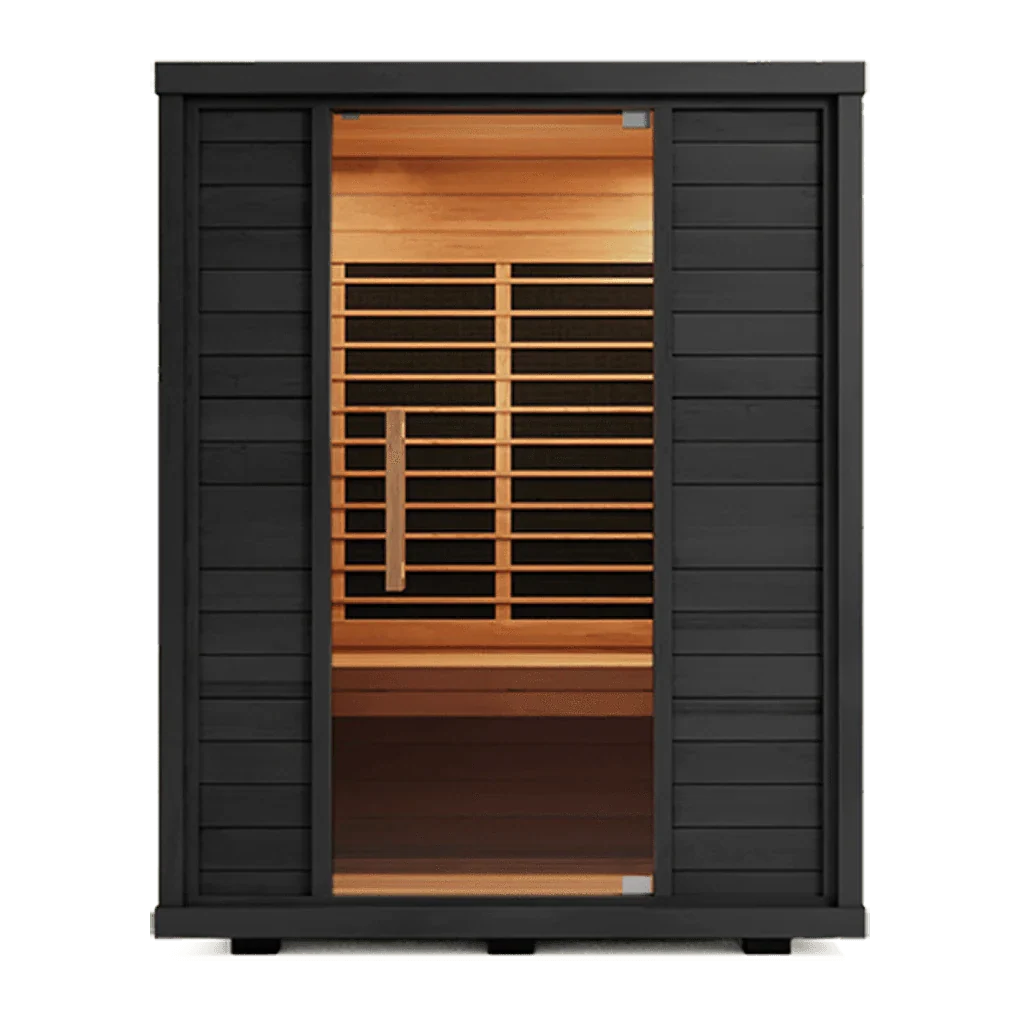
Think about the actual space you have. More vertical space is often required for traditional saunas. Additionally, they need particular ventilation systems.
Installing infrared units is typically easier.
They can be positioned in corners or considerably smaller spaces.
A big closet or extra room may accommodate a typical two-person infrared unit with ease.
Power is another important factor in your choice.
Traditional saunas often need a dedicated 240V electrical circuit. Infrared saunas might use a standard 120V household outlet.
This depends entirely on the unit’s size. Research is critically important here. Finding the perfect Home Sauna model is the essential first step.
Choose a type that truly fits your existing lifestyle. Choose a unit that fits your actual home.
Integration and Placement
Above everything, utility is determined by location.
The most practical location is the ideal location for your sauna.
Although a basement would make sense given its size, you probably won’t use the sauna much if you don’t frequently go downstairs.
It usually works best in a master bathroom or a spare room close to the main living space.
Always keep usability and accessibility in mind.
The environment needs to be set up correctly for the unit. Particularly with more conventional types, enough ventilation is essential.
Solid airflow is quite beneficial even in infrared saunas.
The flooring beneath should be resilient to dampness and long-lasting.
Concrete or tile are great options. Don’t put the device completely on the carpet.
Heat and moisture together can quickly deteriorate carpet fibers.
Verify that the area is well-insulated and dry.
Make your sauna a private haven. Install low, gentle lighting both indoors and outside.
Place a strong, compact bench close by so you can cool off. Have cold water and fresh towels on hand.
Ensure that there is no friction at all throughout the usage process. You may decide to skip the session if getting water requires you to walk across the entire home.
A simple regimen is always one that can be sustained.
Put the sauna in a visible location. Put it in a location that is easy to reach.
Your long-term usage rate is significantly increased by this one action.
The Role in Muscle Recovery
Saunas have a position as effective, useful tools for physical recuperation in addition to being beneficial for mental relaxation.
Both fitness lovers and athletes have long understood that.
After a strenuous, intense workout, heat treatment is a great practice that speeds up the body’s recovery.
Heat actively promotes blood flow to strained, exhausted muscles.
The improved flow provides vital nutrients and oxygen.
Additionally, it helps your body eliminate waste products from metabolism. Lactic acid is the most typical example.
Muscle discomfort after activity is lessened when this waste is reduced. It lessens the overwhelming sense of exhaustion.
Stretching after a workout is more beneficial because of the deep warmth’s ability to relax stiff joints and increase range of motion and general flexibility.

The key scientific mechanism involves heat shock proteins.
These important proteins are activated by the mild, therapeutic heat stress.
They directly assist in repairing damaged muscle tissue.
This process helps accelerate the body’s natural recovery period.
Understanding this specific physical benefit provides strong motivation.
Knowing you are actively helping your body recover makes the session feel essential.
For a deeper look into the exact science, you should check out how sauna heat therapy enhances muscle recovery.
Making heat therapy a fixed part of your post-exercise routine guarantees high usage.
Maximizing Use and Final Tips
Consider both practicality and comfort: during extended periods, a well-designed ergonomic backrest will be crucial.
The experience can be improved with reading material or a tablet holder.
Installing a high-quality speaker for podcasts or music is something to think about.
These tiny, considerate touches are what change the session and make it a private, enjoyable moment.
Establish a usage schedule. Don’t wait till you “have time.”
Plan to meet three or four times a week. The secret to achieving actual, quantifiable results is consistency.
Drink plenty of water both before and after. Before and right after your session, sip on lots of water. Initially, start with shorter sessions.
Increase the heat tolerance gradually over time.
Always pay close attention to what your body is attempting to tell you. Make using the sauna an essential, non-negotiable component of your weekly wellness regimen.
A home sauna requires a significant financial outlay.
On the other hand, it is very beneficial to your overall health and wellbeing.
But the true secret to success is meticulous, realistic planning: pick the ideal model for your requirements, put it in a handy spot, and incorporate it easily into your regular routine.
If you follow these steps, your home sauna will quickly transform into the health haven you truly need.
It will develop into a productive focus point for your self-care regimen.