
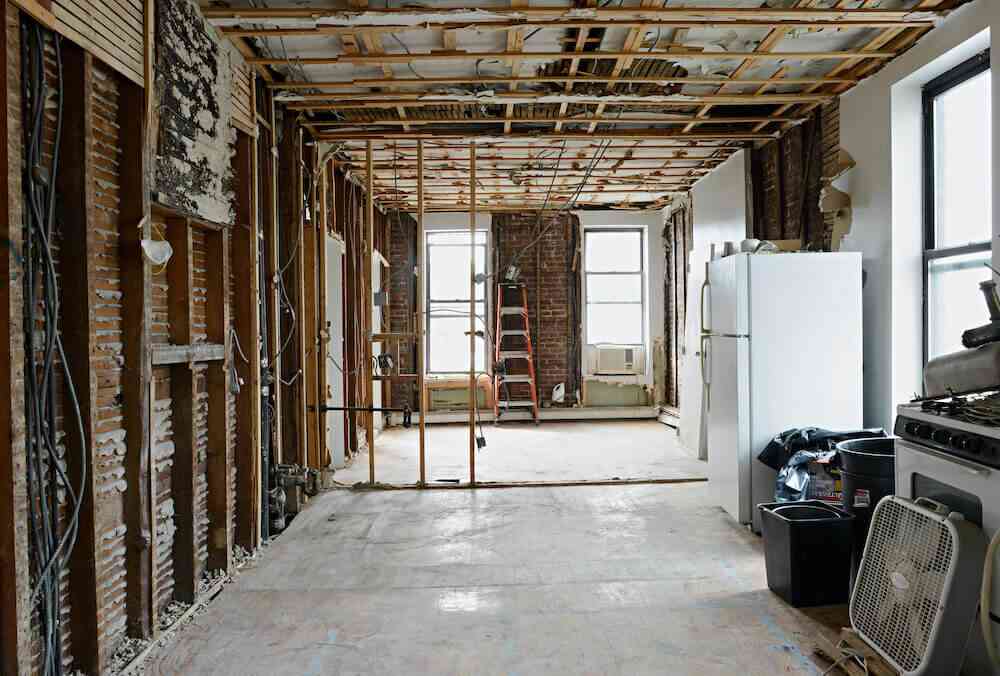
Nobody fully prepares you for the hidden costs of a home renovation project.
Even the best contractors will, at best, only give you an estimation of what they believe will be the overall cost of your renovation project.
However, during execution, you’re most likely to foot the bills for additional renovation requirements you may not have anticipated.
That’s why it’s important to go into a renovation project with an open mind, a flexible budget, and a transparent contract.
Having a hint of the hidden costs to expect in home renovations can prepare you for a successful, less stressful project, especially if it’s your first time renovating.
Here are some of the most common hidden costs you should expect in your next home renovation project, along with how you can prepare for them.
Hidden Structural Issues
You don’t always see everything that’s wrong with your home in one inspection.
During renovation, you can find a perfectly looking floor harboring unexpected water or termite damage. Or sometimes, the support beam you thought existed in the crawlspace or basement renovation has long since rotted and deteriorated.
These surprise structural issues can significantly eat into your budget and derail other projects you had planned to complete.
Depending on the nature of the damage, you should prepare yourself for an outstretched budget of up to $15,000.
Water damage repairs can cost you between $1,400 and $ 6,000, while pest damage associated with structural integrity can cost between $1,000 and $10,000.
Inspections, Permits, and Fees
Major renovation projects require a permit, and before a permit is issued, some inspections must be conducted.
All these permits, inspections, and facilitation fees can contribute to a significant portion of your overall renovation cost.
Depending on your county, city, or neighborhood, these fees can range from hundreds to thousands of dollars.
It also depends on the type of renovation work you wish to complete.
If you’re updating systems, moving walls, or adding square footage, you’ll need electrical, building, and plumbing permits to successfully execute your project.
As for inspections, you may have to pay for them multiple times throughout the project to comply with code requirements.
While these costs aren’t always mentioned in advance, they’re critical to completing your renovation safely and legally.
Also, consider working with reputable contractors, such as Vancouver general contractors, who can prepare you for successful inspections and ensure compliance with permit requirements during your renovations.
Unforeseen Material Costs
When planning a renovation project, potential contractors often provide cost estimates for the materials they intend to use.
However, material costs can change drastically overnight, throwing your budget into a shock you may never have adequately prepared for.
Some material costs can even fluctuate during the renovation, forcing you to dig deeper into your pockets.
In some cases, a contractor might assume this risk to honor their initial quote and keep the project running smoothly.
However, that’s not always the case, as the contractor may sometimes pass the cost down to you, the homeowner.
It’s recommended that you budget at least 10% more than your estimated material costs to cover any unforeseen changes in material prices.
Design Changes Mid-Project
Home renovation projects are often inspired by various personal, communal, legal, and structural factors, key among them being design and aesthetics.
However, making the right design decisions might not be as easy or straightforward as it seems on paper, forcing many homeowners to introduce new ideas mid-project.
As a homeowner, you can decide mid-project to add more square footage, upgrade finishes, or rework layouts.
While it’s totally okay to change your design plans mid-project, you must be prepared to cover any additional costs that result from the changes.
The change in cost is often due to changes in labor, materials, and timelines.
Labor Issues and Schedule Delays
Different contractors price their labor differently.
While others may charge per hour, some charge a flat rate based on the scope of work they’ll handle.
During the project, labor costs can increase unexpectedly, making them a hidden cost you may encounter.
However, not all labor issues and schedule delays qualify for additional budgeting.
Always ensure the situation that led to labor increase or schedule delays was your doing before adding its cost to your budget.
Some common instances where you might have to incur labor and schedule delay costs include:
- If you ask for a rework due to design adjustments
- If the contractor spent additional hours working on unexpected repairs
- If there was a delay caused by difficult or restricted access to parts of the property
- If work had to stop for a significant amount of time because materials were delayed
Delays can also be caused by poor planning, especially if you’re running different renovation projects at once.
A delay may arise if one project, which should be completed first, is not completed on time to allow other projects to continue.
You may have to pay the second contractor for the time spent waiting for the first project to be completed.
Completing a successful home renovation project requires effective planning, flexible budgeting, and a contractor you can trust.
There will always be hidden costs in a renovation project, but understanding what they may look like early can help you handle them seamlessly when they arise.