You know that feeling when you hear the hail hitting your roof at 2 a.m. And you’re lying there thinking please don’t let this be expensive.
I get it. And here’s the thing about Omaha storms, they don’t mess around.
One minute it’s calm, next minute your roof’s taking a beating from baseball-sized hail or wind that’s ripping shingles off like they’re post-it notes.
So what happens next? You call someone who knows what they’re doing. And let me tell you, the good ones, the real professionals, they follow a process.
Not because they read it in a manual somewhere, but because that’s what actually works when your roof is screaming for help.
I’m going to walk you through exactly what these pros do. Not the fluff version you see on company websites.
The real version. The one where they show up, assess the chaos, and figure out how to keep your home dry and safe.
8 Ways Experts In Omaha Fix Storm Damaged Roofs
Alright, listen. Specialists who handle roof repair Omaha projects follow clear steps that protect homes from further damage. It’s not random. It’s methodical.
Here’s how it actually goes down.
Conducting a Comprehensive Roof Inspection
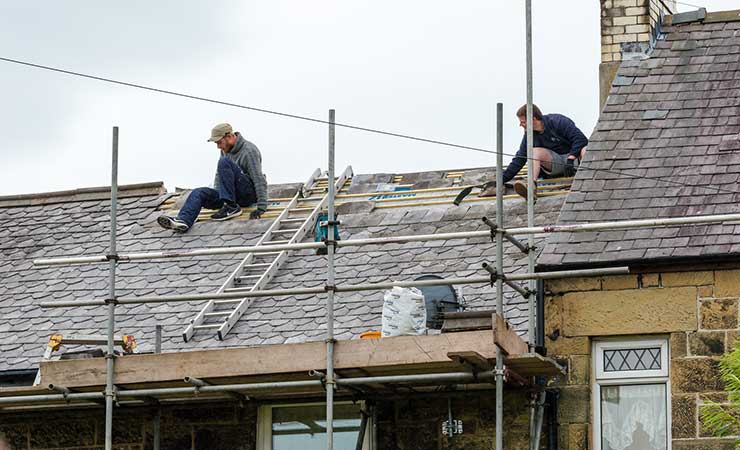
First thing first, they need eyes on the problem. And I don’t mean a glance from the driveway. I mean getting up there, walking on the roof, checking every section.
They’re looking for stuff you wouldn’t even think about.
Obvious things, yeah, like missing shingles or big dents. But also the sneaky damage.
The kind that doesn’t show up until three months later when water’s dripping into your living room.
Hail damage? It leaves bruises on shingles. Bruises. Like the shingle got punched.
Wind damage shows up differently, it lifts edges, breaks the seal, exposes the underlayment. Storm debris can puncture straight through.
And here’s what most people don’t realize, the inspection isn’t just the roof surface.
They’re checking the flashing around your chimney, the valleys where two roof planes meet, the drip edges, the soffit, fascia. Everything.
Some companies use drones now. Which is cool, sure. But the old-school method of actually walking the roof? That still catches things cameras miss. The feel of a soft spot.
The sound of a loose nail when you step near it.
Good inspectors take photos of everything. And i mean everything. Because when you’re dealing with insurance later, you’ll want proof. Date-stamped, detailed photos from every angle.
Performing Emergency Roof Tarping
Okay so let’s say the storm just passed. It’s still raining a bit.
Your roof has a massive hole or a section completely ripped off. What do you do?
You call for emergency tarping. And pray someone answers.
This is where the real pros separate themselves. Because emergency tarping isn’t pretty work.
It’s often at night, in bad weather, on a slippery roof. But it’s critical. Absolutely critical.
They’ll bring heavy-duty tarps, not the cheap blue ones from the hardware store.
Commercial-grade stuff. They secure it with wood boards and screws, not just sandbags.
You need that tarp battened down tight or the next wind gust will turn it into a kite.
The goal here? Stop more water from getting in. Because water damage compounds fast.
What starts as a roof problem becomes a ceiling problem, an insulation problem, a mold problem. Tarping buys you time.
And here’s the thing, most reputable companies won’t charge you an arm and a leg for this.
Some even include it if you end up hiring them for the full repair. Because they know you’re already stressed.
Replacing Missing or Damaged Shingles
Now we’re getting into the repair work. Shingle replacement sounds simple. It’s not.
First off, they need to match your existing shingles.
Color, style, manufacturer. Because a roof with mismatched shingles looks like someone tried to fix it with whatever was on sale. And it won’t seal properly either.
Here’s the process: they carefully remove the damaged shingles without messing up the ones around them.
That means pulling nails, lifting edges gently, not just ripping everything out like they’re demolishing the place.
Then they inspect the underlayment underneath. If that’s damaged too, it gets replaced. Because new shingles over damaged underlayment is like putting a band-aid on a broken bone.
New shingles go down with the right nails in the right spots. There’s actually a specific nailing pattern. Too few nails and the shingle blows off in the next storm.
Nails in the wrong spot and you’ve just created a leak point.
They seal the edges. Check the surrounding shingles. Make sure everything’s flush and secure.
Sometimes they’ll replace more shingles than are visibly damaged. Why? Because if your roof is older and took a hit, those surrounding shingles are probably compromised too.
Better to replace them now than get called back in six months.
Repairing Roof Leaks and Water Damage
This is where it gets personal for homeowners. Because leaks mean water got inside. And water inside your home is violating.
The pros start by tracing the leak. And this isn’t easy.
Water doesn’t travel straight down. It follows paths. Runs along rafters. Drips down through insulation. Shows up 10 feet from where it actually entered.
They’ll check your attic first. Look for wet insulation, water stains on the wood, mold starting to form. All signs pointing back to the entry point.
Once they find it, fixing it depends on what caused it. Damaged shingles get replaced. Cracked flashing gets resealed or replaced.
Sometimes it’s a roof penetration, a vent or pipe boot that failed.
But here’s the part people forget about, you also need to fix what the water damaged.
Wet insulation gets removed. Moldy wood gets treated or replaced. Because just stopping the leak isn’t enough if you’ve got soggy insulation sitting in your attic breeding mold.
Good contractors will document all of this. Because water damage ups your insurance claim amount. Significantly.
Fixing Flashing and Sealant Failures
Flashing is the unsung hero of your roof. It’s those metal pieces around chimneys, vents, skylights, anywhere your roof changes direction or meets something else.
And storms absolutely destroy flashing. Wind gets under it and peels it up. Hail dents it. Debris punctures it.
When flashing fails, water gets in. Guaranteed.
So the pros remove the old flashing.
Check the area underneath for damage. Install new flashing with proper overlap, proper fastening, proper sealant. And not just any caulk.
Roofing-specific sealant that can handle temperature swings and UV exposure.
Valleys are particularly tricky. That’s where two roof slopes meet and water runs down.
Valley flashing takes a beating in storms. If it’s bent or separated, water’s going to find a way in.
Roofers will sometimes install ice and water shield under the flashing in high-risk areas. Extra protection. Especially in Omaha where ice dams can be a problem come winter.
Addressing Structural Roof Damage
Okay this is the scary one. Structural damage means the storm didn’t just mess up your shingles, it damaged the bones of your roof.
We’re talking about broken rafters. Sagging decking. Compromised trusses.
This happens with really severe storms. Falling tree limbs. Concentrated hail.
Tornadoes that just barely missed you.
When pros find structural damage, the whole project changes. Because now you need more than a roofer. You might need an engineer to assess if the structure is safe.
You definitely need permits pulled. Inspections scheduled.
They’ll sister in new rafters next to damaged ones.
Replace sections of decking. Sometimes they have to remove a bunch of shingles to get to the problem, fix it, then reshingle.
It’s more expensive. Takes longer. But you can’t skip it.
A roof with structural damage will fail. Maybe not today, but eventually. And when it does, it won’t be pretty.
The good news? Insurance usually covers structural damage if it’s storm-related. But you need documentation.
Which brings us back to those detailed inspections and photos.
Cleaning and Repairing Gutters and Drainage Systems
People forget about gutters. I don’t know why. Maybe because they’re not technically the roof? But they’re critical.
Storms fill gutters with debris. Leaves, twigs, shingle granules, dirt. Clog them completely. And clogged gutters mean water backs up onto your roof, under your shingles, into your fascia.
Pros will clean out all that junk.
Check that the gutters are still properly attached. Because wind can rip gutter sections right off the house.
They’ll look for dents and holes.
Make sure the downspouts are directing water away from your foundation. Because if water’s dumping right next to your house, you’re asking for basement flooding.
Sometimes the whole gutter system needs replacing after a bad storm.
Hail can beat them up. Wind can twist them. At that point, repair isn’t worth it.
And here’s a pro tip, ask about gutter guards while they’re up there. Because the last thing you want is to deal with clogged gutters again next storm.
Assisting with Insurance Claims and Documentation
This might be the most valuable thing a good roofing company does. Because filing an insurance claim for storm damage is like trying to speak a foreign language you don’t know.
They document everything. Take measurements.
Write estimates using the same software insurance companies use. That last part matters a lot.
When the adjuster shows up, having a pro there changes the conversation. Because the adjuster knows they can’t lowball or miss damage when someone who knows roofs is standing right there.
The roofing company will submit supplemental claims if the adjuster missed stuff.
They’ll argue for proper materials and methods. They’ll push back when insurance tries to depreciate things they shouldn’t.
And they’ll explain what your policy covers. Because reading insurance policies is like reading legal documents written by people who don’t want you to understand them.
Some companies handle all the communication with insurance.
You just sign where needed. Which when you’re already stressed about your damaged roof, is huge.
Wrapping This Up
Look, storm damage is stressful. Expensive. Frustrating. And scary when you’re watching weather roll in and hoping your roof holds.
But knowing what the pros actually do, how they approach it, what they’re looking for, that helps. Because when you call someone after the next storm, you’ll know what questions to ask.
What to expect. What’s normal and what’s someone trying to cut corners.
The best roofers in Omaha, they’ve seen it all. Every type of storm damage.
Every insurance company game. Every weird roof configuration. And they know how to fix it right.
So when that next storm hits, and it will because this is Omaha, you’ll know exactly who to call and what they should be doing. And that’s worth something. Maybe worth a lot.