
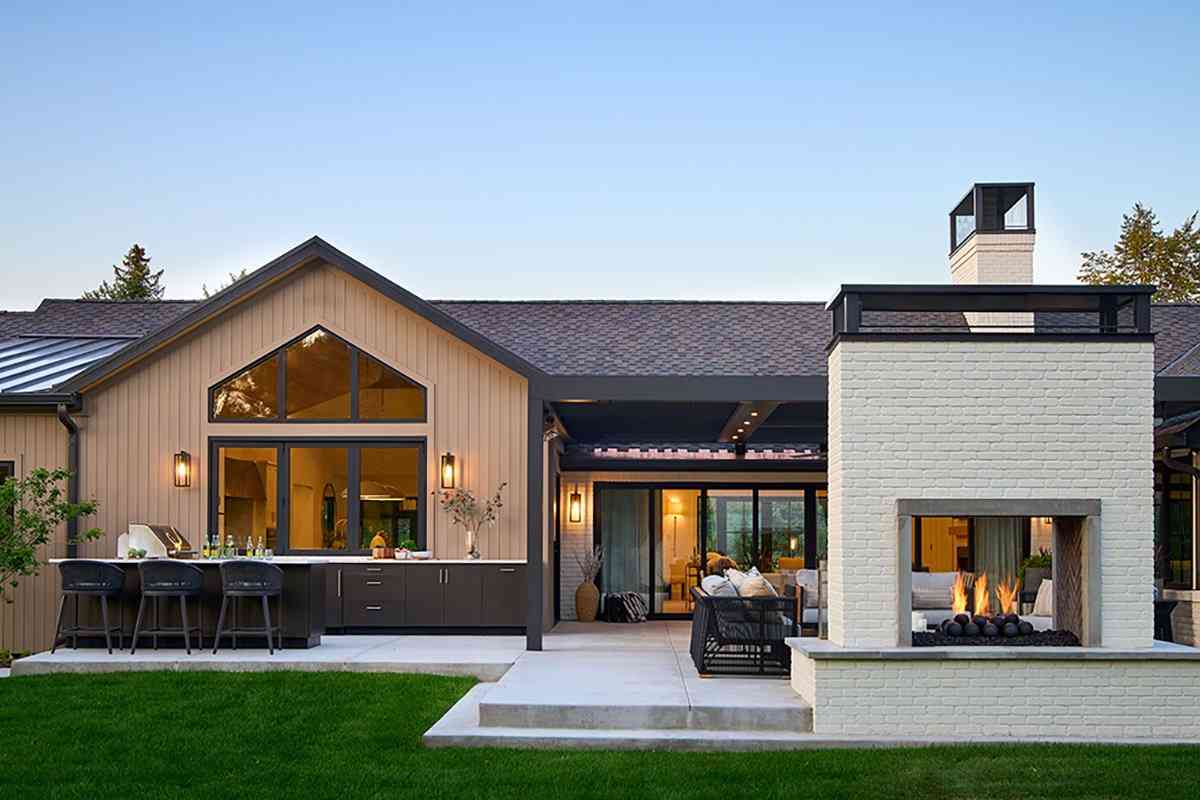
Exterior renovations have a funny way of going sideways.
Not because the work is bad or the materials are wrong — but because what gets installed doesn’t match what was pictured.
The paint color that looked perfect on the swatch reads completely different across an entire facade.
The new siding clashes with the roof tone in a way nobody noticed until the job was done.
The front door color that seemed bold and fresh now feels like it belongs to a different house.
These aren’t rare outcomes. They’re common ones. And they happen because exterior design is genuinely hard to visualize before the work starts.
The Problem With Planning Piece by Piece
Most homeowners approach an exterior update the same way: one decision at a time.
Pick the siding first, then figure out the trim, then choose a door color, then realize the gutters need doing too. Each decision seems reasonable in isolation.
The trouble is that the outside of a house is a system, not a checklist.
Everything out there is talking to everything else.
The warmth of your brick affects which white reads as crisp versus dingy. A dark roof that would look stunning on a traditional colonial can make a modern ranch feel oppressive.
Stone accents that look beautiful in the showroom might fight the undertones of your siding color on the actual building.
None of these conflicts are obvious from samples and swatches. They show up in reality, when the job is mostly done and changing course is expensive.
What Gets Missed Most Often
Scale. A porch column profile that looks proportionate in a photo of someone else’s house might overwhelm yours depending on the ceiling height, the width of the facade, and what’s around it. Shutter width is another classic trap — perfectly sized at the store, comically narrow once they’re hung beside your actual windows.
Supporting details. House numbers, the mailbox, exterior light fixtures, the garage door hardware — homeowners tend to focus on the big stuff and leave these for last. But these small pieces either complete the look or quietly undermine it. A freshly painted facade with mismatched lighting fixtures has a way of still looking unfinished.
The view from the street. Most people evaluate their exterior decisions up close, from the driveway or the front walk. But your neighbors and anyone driving by are seeing it from sixty feet away, where textures flatten out, details disappear, and the overall color proportions become the whole story.
When photos, sketches, and mood boards aren’t giving you enough clarity, exterior rendering services can help homeowners see how materials, colors, rooflines, and landscaping may work together before renovation begins.
You get to look at your actual house with the changes applied, rather than trying to mentally assemble the pieces and hope for the best.
Which Updates Benefit Most From Seeing It First
Siding, Paint, and Trim
This is the combination that defines the entire character of the exterior, and it’s the one where the gap between expected and actual is usually widest.
Paint and siding colors shift dramatically at different scales and under different light conditions.
A color that looks warm and welcoming on a chip can read as muddy and dull once it covers the whole house on a cloudy afternoon.
The relationship between the body color, trim color, and any accent elements is what really makes or breaks it.
A lot of homeowners end up with a combination that’s individually fine but doesn’t quite work as a whole — the trim is slightly too warm for the siding, the accent color is too similar to the body, the contrast isn’t landing the way it should.
Seeing the full scheme together before committing to it avoids exactly this.
Roofing and Windows
Both of these are significant investments that change the face of the house considerably.
Roof color in particular has a way of surprising people — dark charcoal shingles look rich and dramatic in product photos, but on a lower-profile home with neutral siding, the same color can feel like a lid sitting on the house.
Window style matters too. The profile and detail level of the frame should fit the architecture of the house, not just match whatever was on display at the showroom.
Modern flat frames on a traditional craftsman? Usually not a great fit. Divided-light windows on a minimalist contemporary? Can feel fussy and out of place.
These things are much easier to judge when you can see them in context on your specific house.
Front Door and Garage
The front door gets a lot of attention, and deservedly — it’s the focal point of the facade. But the garage door covers a significant chunk of most American homes’ street-facing elevation, and it’s the piece that gets the least thought.
The style, the color, whether it has windows — all of these affect the overall feel of the front of the house significantly.
Both of these elements need to be considered alongside everything around them, not chosen in isolation.
A bright red door that would look fantastic on a dark navy house with white trim can look jarring on a warm tan exterior with brown accents.
The garage door that looks right with one siding profile might look awkward with another.
Landscaping and Outdoor Lighting
Curb appeal isn’t only what’s on the house itself.
The plantings, the walkway, the driveway edge, and the outdoor lighting all contribute to how the home reads from the street.
A beautifully refreshed facade with scraggly foundation plantings or lighting that doesn’t match the style still looks unfinished.
Landscaping can also solve problems that materials can’t. If the facade feels too flat or too stark, the right planting — a climbing vine, a row of structured boxwoods, ornamental grasses at the foundation — adds dimension and warmth without touching the house itself.
These possibilities are worth thinking through as part of the overall plan, not as a separate afterthought.
How to Check a Concept Before You Commit
Once you have a direction in mind, there are a few things worth evaluating before you sign the contract.
Do the styles match? Mid-century modern trim details on a Victorian farmhouse tend to feel wrong, even if each element is attractive on its own. Make sure your updates feel like they belong to the same design language, or that you’ve thought through a coherent overall shift if you’re changing the style intentionally.
Are warm and cool tones working together? This is one of the most common sources of exterior combinations that almost work but don’t quite. Cool gray siding against warm creamy white trim can look off in a way that’s hard to name but easy to feel. The same gray with a crisp cool white reads completely differently. It’s worth testing before committing.
How does it read from across the street? Take whatever visual reference you’re working from and look at it from a distance, or view it on a screen from across a room. You’re trying to simulate the view from the street, where the fine details disappear and the overall proportions and color balance become everything.
Does it fit the neighborhood? That’s not the same as being boring — it means the exterior shouldn’t look like it was dropped in from a different climate or a completely different architectural tradition. A strikingly contemporary exterior in a neighborhood of 1950s colonials can look great or deeply out of place, depending on the execution. Worth thinking through.
Plan It First, Then Build It
The homeowners who end up most satisfied with exterior renovations are almost always the ones who saw the full concept before they started.
Not because they had more expensive taste or bigger budgets — but because they made their decisions from a position of actual clarity instead of hopeful estimation.
That means thinking through the whole picture together: siding and trim and roof and windows and entry and landscaping.
Not locking in one piece and then trying to make everything else work around it.
Not picking materials from samples without seeing how they interact at full scale.
It takes a bit more planning time upfront. What it saves you — in returned materials, in costly repaints, in living with something that almost works — is worth significantly more.