The look of a home is shaped by many details, but few elements have as much visual impact as windows and doors.
They frame the structure, guide natural light, and create the first impression for anyone who approaches the space.
Over time, styles change, materials age, and design preferences evolve.
When homeowners choose to update their windows and doors, the transformation can be dramatic.
The home can feel brighter, more welcoming, and more aligned with the owner’s personal taste, all without altering the basic structure.
Replacing outdated windows and doors is not only about appearance, but the visual improvement alone can completely redefine how a home feels both inside and out.
Clean lines, modern proportions, and thoughtful placement bring a sense of balance and harmony that can make a familiar space feel entirely new.
Creating a Strong First Impression from the Outside
The exterior of a home sets expectations long before anyone steps inside.
Doors and windows play a central role in shaping this first impression.
A front door draws attention and creates a focal point, while windows bring structure and visual balance to the facade.
When these features are outdated or mismatched, the home can appear tired and overlooked.
New windows and doors can immediately refresh the exterior and bring a sense of cohesion to the overall design.
Updated shapes and finishes help the structure feel more polished and intentional.
Larger windows can make the facade feel more open, while thoughtfully designed doors add warmth and character.
Even subtle updates can give the home a renewed presence that stands out.
Get in touch with a professional from Elevated Windows & Doors to discuss your ideas and explore window and door options.
With the right selections, the exterior can feel both updated and true to its original style.
Bringing More Natural Light Indoors
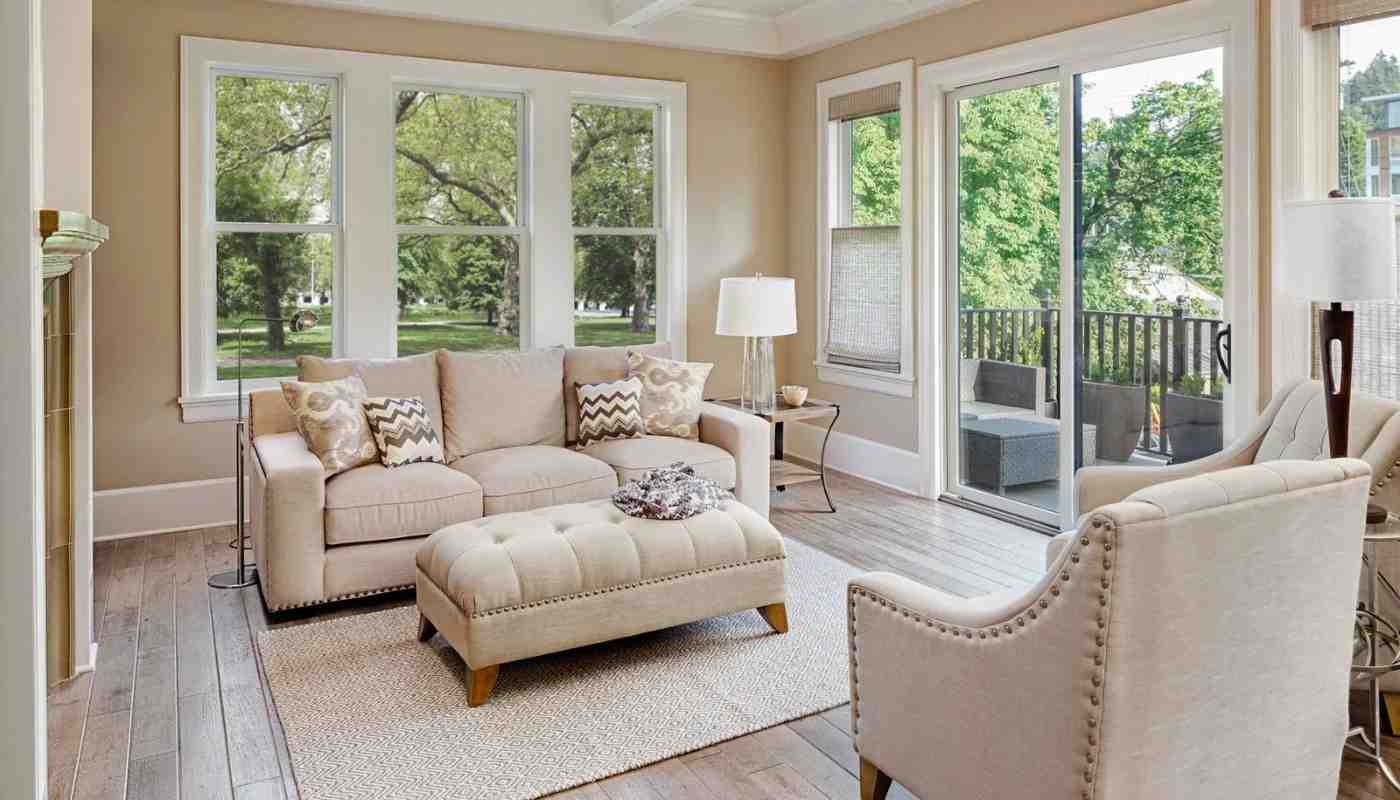
One of the most noticeable changes new windows bring is the quality of light inside the home.
Older windows often limit how much sunlight enters, either due to their size, placement, or aging materials.
When replaced with designs that prioritize openness, rooms can feel brighter and more spacious.
Natural light has a powerful effect on how spaces are perceived. It highlights textures, softens colors, and creates a welcoming atmosphere.
Living areas feel more open, kitchens appear cleaner and more inviting, and even smaller rooms gain a sense of depth.
The simple act of allowing more daylight to flow through the home can change how each space is experienced throughout the day.
This shift in lighting can also influence how furniture and decor are arranged, encouraging a more open and relaxed layout that feels intentional rather than forced.
Enhancing Interior Style and Flow
Windows and doors do more than connect the indoors to the outdoors.
They shape how rooms relate to one another. Interior doors guide movement and define boundaries, while windows influence how spaces visually interact.
Replacing old doors with updated designs can improve the flow from one room to the next. Glass panels can create a sense of openness while still offering separation.
Clean, simple designs can complement modern interiors, while more detailed styles can enhance traditional spaces.
Windows also play a role in how rooms feel connected.
Aligning window placement across different areas can create visual continuity, making the home feel cohesive.
When each element feels thoughtfully chosen, the entire interior benefits from a sense of balance and calm.
Updating the Character of the Home
Every home has a personality, shaped by its architecture and the choices made within it. Windows and doors are central to expressing that character.
Over time, styles can become outdated or no longer reflect the homeowner’s taste.
New designs allow homeowners to redefine the mood of their space.
Sleek frames can create a modern feel, while softer shapes and classic details can add warmth.
Even small design choices, such as the way a door opens or how a window frame is proportioned, contribute to the overall atmosphere.
By aligning windows and doors with the desired style, the home can feel more authentic and intentional.
This alignment makes the space feel lived in and loved, rather than simply functional.
Improving Visual Balance and Proportion
A well-designed home feels balanced.
Windows and doors play a key role in achieving this balance.
Older homes may have uneven window sizes or placements that no longer suit modern living.
Updating these elements offers a chance to correct proportions and improve symmetry.
Larger windows can anchor a room, while smaller accent windows can add interest without overwhelming the space.
Doors that are properly scaled to their surroundings feel natural and inviting. When these elements are in harmony, the home feels thoughtfully composed.
This sense of proportion enhances both the exterior and interior, creating a visual flow that feels effortless.
The home becomes more pleasing to the eye, even if the viewer cannot immediately identify why.
Strengthening the Connection to Outdoor Spaces
Windows and doors act as bridges between the inside of the home and the outside environment.
When these features are updated, that connection becomes stronger and more intentional.
Expansive windows replacement can frame views, turning outdoor scenery into living artwork. Doors that open easily and fully encourage movement between indoor and outdoor spaces.
This seamless connection can make the home feel larger and more dynamic.
Outdoor areas become extensions of the living space rather than separate zones.
This change influences how the home is used, encouraging relaxation and social interaction in a way that feels natural and inviting.
Refreshing the Overall Mood of the Home
The combined effect of new windows and doors is a shift in the home’s mood. Spaces feel lighter, cleaner, and more comfortable.
The home can move from feeling closed off to feeling open and welcoming.
This refreshed mood often influences how homeowners interact with their space.
Rooms feel more enjoyable to spend time in, and the home feels more aligned with daily life.
The transformation is not just visual, but emotional.
By updating these essential elements, homeowners create an environment that reflects care, attention, and personal style.
The home becomes a place that feels renewed, offering comfort and pride every time the door is opened or sunlight fills a room.