
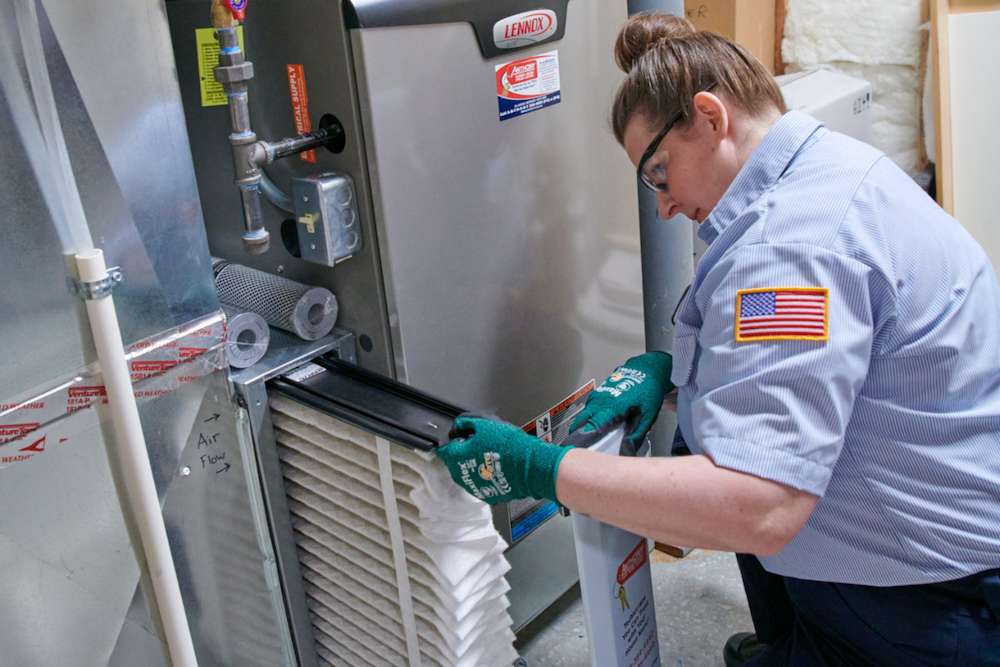
As the level of severity and frequency of wildfires, pollution, seasonal allergens, and alterations in humidity have increased, the significance of local air quality reports has never been as great as it is now.
With this knowledge about these reports, you may be capable of choosing HVAC filters that are going to be the most efficient in trapping particles that are most common in your neighborhood while searching for AC and furnace repair in Berkley.
An instructional, step-by-step guide on a way of analyzing the local air quality reports, and the way of applying it in your house is as follows.
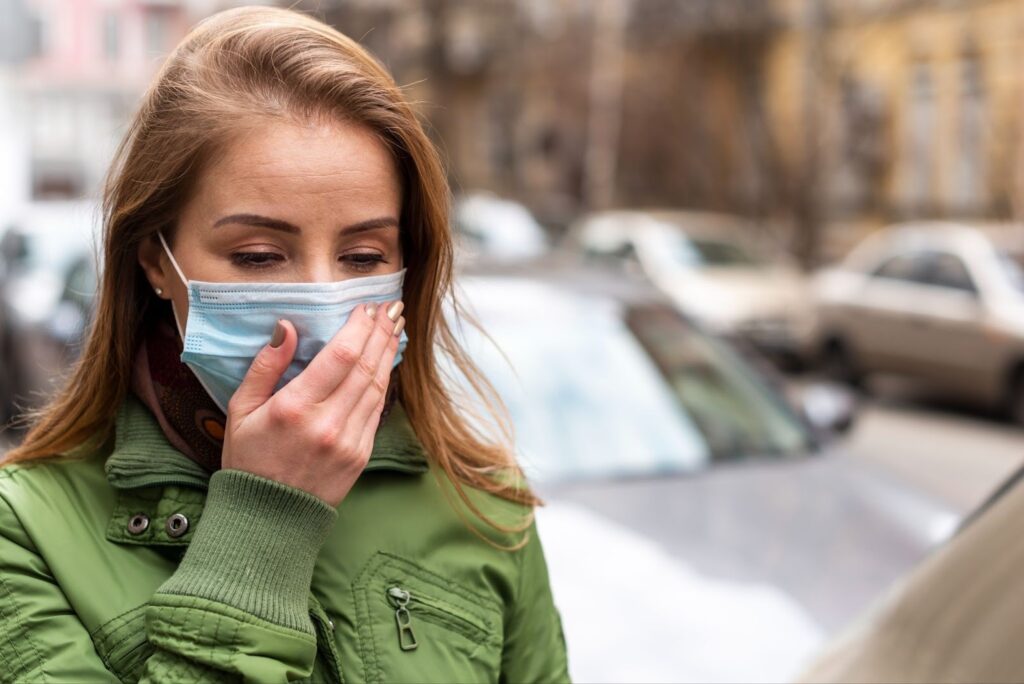
Start with the Local Air Quality Index (AQI)
The best place to start the analysis of the external air that you are inhaling is the Air Quality Index (AQI).
The AQI is normally divided into the following categories:
- 0-50: Good -Minimal pollution, safe to all.
- 51-100: Moderate- Acceptable but sensitive persons may pick up subtle effects.
- 101-150: Not Healthy in Sensitive Groups- Asthmatic or allergic people can experience the symptoms.
- 151-200: Unhealthy -All people can have some negative outcomes.
- 201-300: Very Unhealthy -Health warnings for the whole population.
- 301–500: Hazardous -Dangerous to all.
The first line of defense is HVAC filters that filter the pollutants before they can find their way into the rooms.
Match Air Quality Conditions to Filter Ratings
After knowing about AQI, the next thing to do is to purchase a filter with the appropriate Minimum Efficiency Reporting Value (MERV).
MERV scores are 1-20, and they relate to the ability of a filter to capture particles of different sizes.
MERV 6–8
Most suitable in places where the air is generally clean.
Bigger particles, such as dust and lint, are scooped by these filters.
MERV 9–12
Collects fine dust (pollen, mould spores, and so on). Covers individuals with mild allergies better.
MERV 13–16
Best in regions that are affected by wildfire smoke, high pollution, and high levels of particulate matter.
These filters can intercept smaller particles such as smoke, bacteria, and dust that are allergens.
HEPA (MERV 17–20)
Offers maximum filtration capability with more than 99 percent of air particles in aircraft.
Adding your filter to the trends in your local AQI will make sure that you are not over-filtering your system (this may put unnecessary stress on your HVAC system) or under-filtering (which will expose you to dangerous particles).
Consider What’s in the Air Where You Live
Indoor pollutants can be 2-5 times higher than outdoor levels. Learning about the most widespread kinds of contaminants in your area will allow you to narrow down your filter options.
Urban Areas
Cities are usually characterized by increased amounts of vehicle emissions, industrial emissions, and fine particulate matter (PM2.5). Filter that is highly recommended: MERV 11-13 or more.
Regions Prone to Wildfires
The particles that are present in smoke are very small and travel long distances. Recommended filter: MERV 13 or more, especially during the fire season.
Coastal Areas
Humidity will result in the development of mold and mildew in the house and within the HVAC systems. Filter: MERV 8-11 is recommended.
The local air quality gives you the necessary hints on what pollutants your filter should deal with daily.
Filter Replacement Timing Depends on Local Conditions
The finest filter will not be good when it is not replaced at the right time. The local air quality has a great influence on the rate at which your filter gets clogged.
- High pollutant or wildfire seasons: Change all filters after every 30-45 days.
- Moderate air quality: Change after every 60 days.
- Areas with low pollution: Change after every 90 days.
- Homes that have pets, smoke, or have allergies are replaced more often, irrespective of AQI.
- Heat waves: Systems operate more, hence filters trap more debris, and it might require them to be replaced sooner.
Looking at the local AQI reports will enable you to know when your filter might be in need of cleaning.
Balance Performance, Efficiency, and Cost
Though high-MERV filters provide better filtration, they provide resistance to airflow.
This has the potential to overload your HVAC system, cause inefficiency, and raise energy bills when they are not made to managed them.
To find the right balance with indoor air quality:
- See the manual of your HVAC system to find out what the maximum MERV rating it allows is.
- Also, do not jump into HEPA unless it is designed specifically to run.
- Check the price of energy since the filtration is often very energy-consuming.
- Take into account your personal needs in your house, allergies, pets, and breathing problems.
Therefore, when you are not certain about the type of filter to use in reference to the type of system that you have, your local weather condition, it is best to discuss with the HVAC professionals such as Chill Heating and Cooling, to learn what kind of filter to use and which to use depending on the type of system and the local weather condition.
Conclusion
The main point is to select an appropriate HVAC filter in order to achieve better air quality in your house.
This implies that, under an examination of the AQI, the understanding of which pollutants are prominently in the air that encompasses your home, and under whose specifications the filter rating fits the preference, a much better improvement can be made to the air in the house.