
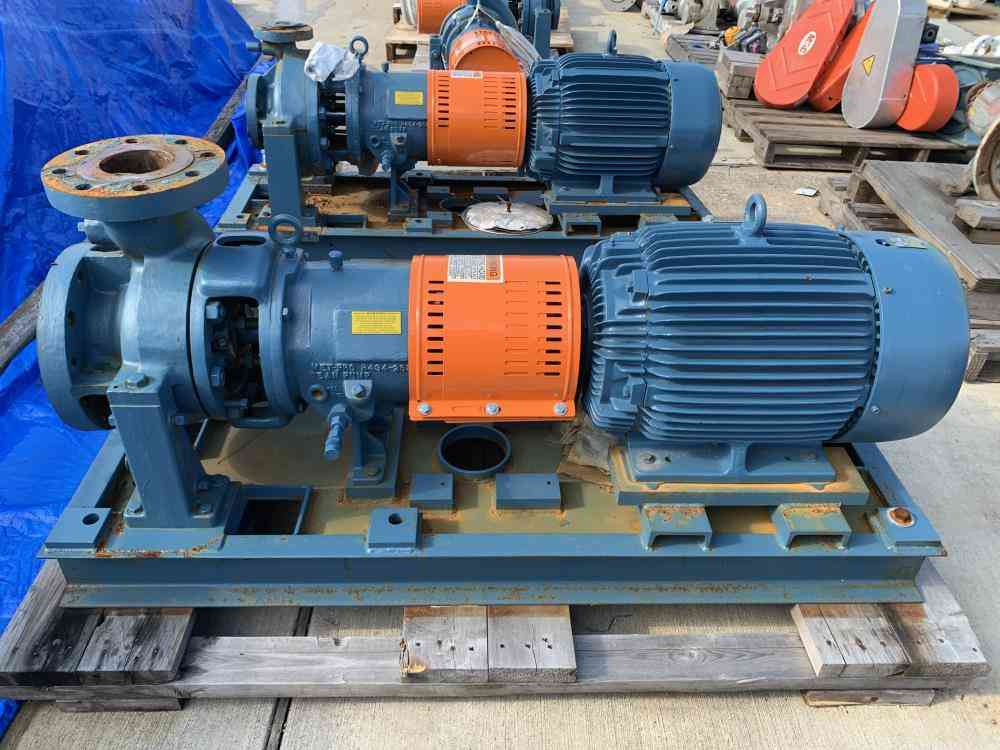
Thanks for stopping by. I’m going to walk you through finding the absolute best pump and accessory suppliers for your needs.
Whether you’re handling a big industrial project or just need reliable equipment for your home, picking the right supplier makes all the difference.
I’ve seen plenty of folks struggle with equipment that breaks down too soon or suppliers who vanish when problems pop up. Let’s make sure that doesn’t happen to you!
10 Tips To Identify High-Performance Pump & Accessory Suppliers
Let me share what really matters when you’re looking for suppliers you can count on.
These tips come from years of seeing what works and what doesn’t in the pump world.
Evaluate Industry Experience and Specialization
When you’re picking a supplier, look at how long they’ve been around.
Companies with 10+ years in the business usually know their stuff inside and out. But here’s the thing – it’s not just about how many years they’ve been selling pumps.
Ask yourself: Do they focus on your specific industry? A supplier who works with food processing plants all day might not be your best bet if you need water pumps for chemical handling.
The problems are just different.
Good suppliers will tell you right away which industries they serve best.
They’ll have photos of their work in places like yours, and they won’t try to be everything to everybody.
That’s actually a good sign – it means they know their strengths.
Don’t be afraid to ask direct questions like “How many customers do you have in my industry?” Their answer tells you a lot about their real-world experience.
Verify Product Quality and Performance Standards
Quality isn’t just a fancy word suppliers throw around – it needs to mean something. Ask what certifications their pumps have.
Things like ISO 9001 actually matter because someone independent checked their work.
Look for suppliers who can show you test results for their pumps.
Good ones will happily tell you about water flow meter rates, pressure capabilities, and efficiency scores. They might even have comparison charts.
What you don’t want is vague promises.
If they say “our pumps are the best quality” but can’t explain why, that’s a red flag.
Instead, they should be talking about specific materials they use, testing procedures, or design features that make their pumps last longer.
One smart move is asking about their return rates.
Lower numbers usually mean happier customers and better products.
Assess Range of Pumps and Accessories Offered
The best suppliers have options.
Not just one or two pump styles, but enough variety to match different needs. When I talk about range, I mean they should offer:
- Different pump types (centrifugal, positive displacement, etc.)
- Various sizes for different flow needs
- Multiple material options for different liquids
- Accessories that work together as a system
Having options matters because your needs might change.
Maybe you start pumping water but later need to handle something more corrosive. A good supplier grows with you.
But watch out! Some suppliers list hundreds of products but only really know a few well.
Ask which products are their top sellers or which they manufacture themselves versus just resell. That tells you where their true expertise lies.
Review Technical Knowledge and Engineering Support
This one’s huge.
The difference between okay suppliers and great ones often comes down to their tech knowledge. Can they actually help solve problems?
Try asking a somewhat technical question when you first talk to them.
Good suppliers don’t just sell you stuff – they ask what you’re trying to accomplish and might even suggest a different approach than what you thought you needed.
Look for suppliers with actual engineers on staff, not just salespeople.
They should offer services like:
- System design help
- Pump sizing calculations
- Energy efficiency analysis
- Installation guidance
You can check their website for direct technical consultation services and click on “Contact us today” to initiate discussions with their engineering team.
The good ones make it easy to get real answers, not just sales pitches.
Check Customization and Application-Specific Solutions
Sometimes the standard pump just won’t cut it.
Great suppliers understand this and offer ways to customize their products for your specific situation.
What kind of customization matters? Things like:
- Special materials for harsh environments
- Modified dimensions to fit tight spaces
- Custom motor sizes for unusual power requirements
- Special coatings for abrasive liquids
Ask for examples of problems they’ve solved for other customers.
The stories they share will tell you a lot about how creative and flexible they really are.
One tip: suppliers who can customize often understand their products at a deeper level.
They’ve probably been manufacturing longer and know exactly what can and can’t be modified without causing problems.
Examine Testing, Quality Control, and Manufacturing Processes
This might sound boring, but it’s super important! How suppliers make and test their pumps tells you how those pumps will perform.
Good questions to ask include:
- Do they test every single pump or just sample testing?
- What’s their typical manufacturing tolerance?
- How do they handle material traceability?
- What inspection steps happen before a pump ships?
If possible, try to see pictures of their manufacturing facility.
Clean, organized shops usually produce better products.
Some suppliers even offer virtual tours these days.
The best suppliers are proud of their processes and happy to explain them. If they get vague or defensive when asked about quality control, that’s not a great sign.
Consider After-Sales Support and Service Capabilities
What happens after you buy the pump can be just as important as the pump itself.
Strong suppliers stand behind their products with solid support.
Check if they have:
- Local service technicians (not just a call center)
- Emergency repair services
- Preventive maintenance programs
- Training for your staff on proper operation
One good test is calling their support line with a basic question.
How quickly do they respond? Do they seem knowledgeable or are they just reading from a script?
I always suggest asking about their warranty process too.
The best suppliers make warranty claims simple and painless because they’re confident in their products.
Analyze Spare Parts Availability and Lead Times
Nothing’s more frustrating than a pump down for weeks waiting on a simple part.
Good suppliers maintain healthy parts inventories.
Ask these questions:
- What’s their typical lead time for common spare parts?
- Do they stock parts locally or ship from overseas?
- Can they guarantee parts availability for older models?
- Do they offer parts kits for common maintenance needs?
Some suppliers even offer parts management programs where they track your equipment and remind you when maintenance is due. That’s going above and beyond.
A useful trick: ask about availability of a specific part for a model they sell.
How quickly they can tell you if it’s in stock shows how organized their parts system really is.
Review Reputation, Client Portfolio, and Case Studies
A supplier can tell you they’re amazing all day long, but what do their customers say? Look for evidence that backs up their claims.
Check for:
- Customer testimonials with specific details
- Case studies showing real-world applications
- Lists of reference customers you can actually call
- Online reviews (though take these with a grain of salt)
Don’t just look at the big flashy clients they highlight.
Ask about customers similar to your size and industry. That gives you a better idea of how they’d treat you.
The best suppliers have long-term relationships with customers.
If they’ve been supplying the same companies for years, that’s a strong sign they deliver on their promises.
Compare Pricing, Warranty, and Long-Term Value
Price matters, but it’s not everything.
The cheapest pump often costs more in the long run when you factor in breakdowns, efficiency, and lifespan.
Smart comparison includes:
- Initial purchase price
- Energy consumption over time
- Expected maintenance costs
- Typical lifespan before replacement
- Comprehensive warranty terms
Look closely at warranty details.
Some suppliers offer impressive-sounding warranties with so many exclusions they’re basically worthless.
Others stand firmly behind their products with simple, clear terms.
Ask about the total cost of ownership.
Good suppliers can help you calculate what their pumps will cost over 5-10 years, not just on day one.
Conclusion
Finding great pump suppliers isn’t rocket science, but it does take some homework.
The right partner saves you headaches, downtime, and money over the long haul.
Remember that the best suppliers act more like partners than vendors.
They’ll work to understand your needs, suggest the right solutions (not just the most expensive ones), and stick around to support you after the sale.
Take your time with this decision.
Visit their facilities if possible, talk to their technical team, and check with current customers.
A little extra effort now prevents major problems down the road.
Good luck finding your perfect pump partner! With these tips, you’re already way ahead of the game.