
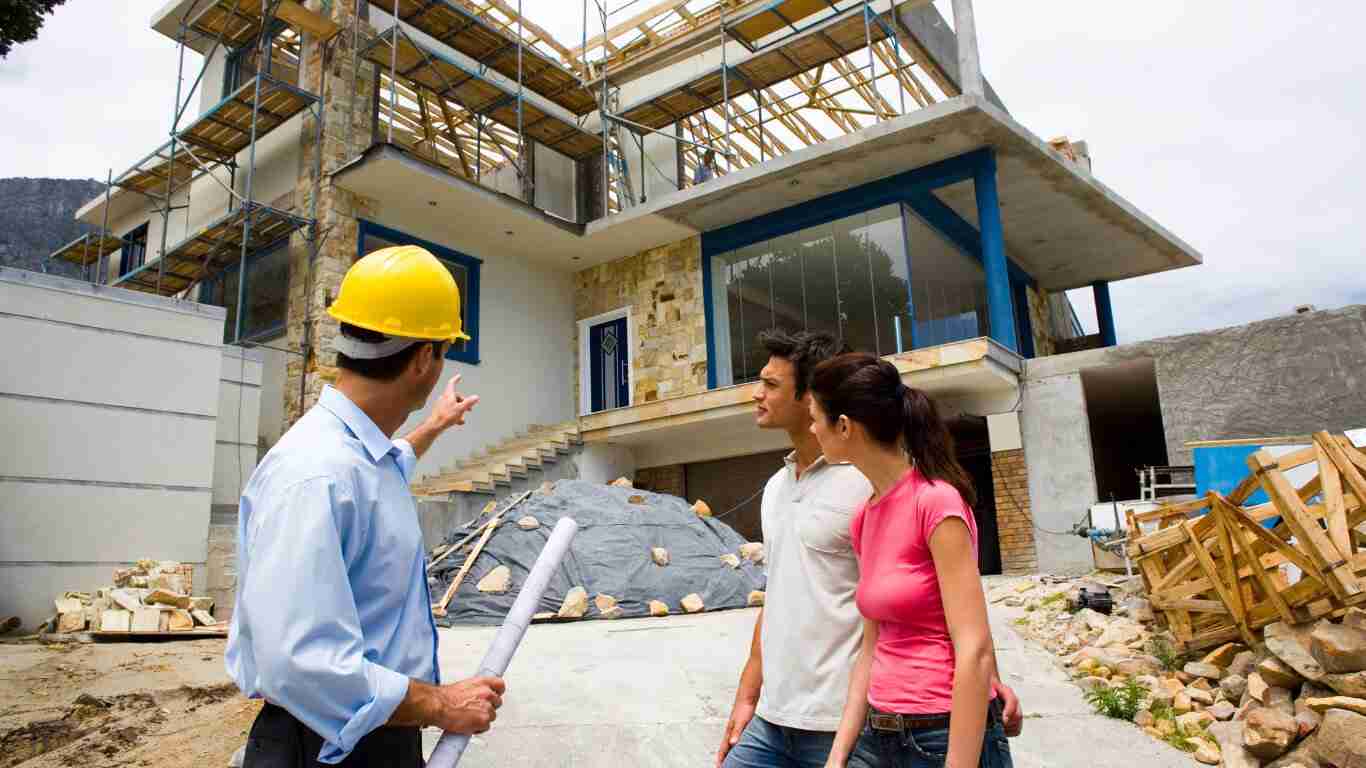
Ever move into a house, stare at the walls, and think, “We’ll get to that eventually”? And then five years pass, and the same scuffed doorframe still greets you every morning.
Home improvement isn’t a one-weekend miracle.
It’s a process that unfolds in slow motion.
In this blog, we will share what it looks like to improve a home over time—and why that’s not only normal, but often smarter.
Change Starts With Use, Not Style
One of the most common traps in homeownership is believing the house needs to be perfect before it’s livable.
The pressure to “finish” a home—especially in a time when social media feeds are curated with showroom kitchens and spa-like bathrooms—makes gradual upgrades feel like procrastination. But that pressure ignores how real homes evolve.
A floorplan that made sense in year one might feel frustrating by year three.
The room you thought would be your office may turn into a storage cave.
Life changes, and homes should too. Instead of rushing into sweeping changes based on Pinterest boards or open house fantasies, the more grounded approach is to live in the space first. Use it.
Get annoyed by it. Let the friction points surface. Then fix those first.
Current economic conditions—rising mortgage rates, tight housing supply, and unpredictable labor timelines—have actually made this long-game mindset more common.
Homeowners aren’t moving every five years anymore. They’re staying. And staying makes every improvement feel more deliberate, less cosmetic.
This isn’t flipping for profit. It’s building for function.
Practical Improvements Shape Daily Routines
Every home has spots that get used constantly and others that never seem to fit.
Over time, the high-traffic zones start to expose their weak points.
The kitchen drawer that sticks, the entryway with no storage, the bathroom that feels like it was designed as a last-minute addition.
That’s where targeted upgrades come in.
Not everything needs to be gutted. Small, smart changes—better lighting, added shelving, durable materials—reshape how you move through the day.
Take bathroom remodeling, for example.
People often delay this upgrade, assuming it requires a massive overhaul. But even modest updates—a better-placed vanity, improved ventilation, or a walk-in shower that doesn’t fog up the whole room—can completely transform how that space functions.
What makes this kind of remodeling valuable is that it doesn’t just add resale appeal.
It changes how you experience your own home.
If getting ready in the morning feels less like a battle with cramped drawers and more like a smooth start to the day, that benefit shows up everywhere else, too.
A well-executed bathroom remodel isn’t just about tile and fixtures.
It’s about water efficiency, heat retention, and space that doesn’t require contortionist skills to navigate.
And when done with intention, it often extends the lifespan of everything around it—no more leaks behind walls, mold creeping under the floor, or loose fixtures rattling like they’ve given up.
Focus On Longevity Over Trends
Improving a home over time also allows for a shift in mindset—from quick fixes to durable choices. Trends move fast.
Gray walls were hot five years ago, but now everyone’s chasing earthy tones and natural textures.
If you chase each wave, you’ll always be halfway through the next project while already regretting the last.
The smarter approach? Think long term. Focus on materials that hold up, layouts that age well, and systems that make maintenance easier.
Replacing carpet with hardwood isn’t just aesthetic—it’s about durability and easier cleaning.
Choosing neutral base colors allows you to change the look of a room without repainting every year.
Upgrading insulation doesn’t get compliments, but it saves money every month.
Living in a home while you improve it gives you the chance to observe what holds up, what wears down, and what wasn’t worth the hype. That knowledge makes each project more informed than the last. It also keeps you from spending money twice on things you could’ve done right once.
Not All Progress Is Visual
There’s a strange rule in home improvement: the most valuable upgrades often aren’t the ones guests see.
Rewiring outdated electrical, upgrading plumbing, sealing ductwork—these aren’t “after” photos for a real estate listing. But they’re the reason everything else works.
Especially in older homes, investing in infrastructure is what gives you peace of mind.
No one wants to admire their new kitchen backsplash while wondering if the pipes underneath it will burst.
Prioritizing these invisible improvements early—especially when tackled one at a time—builds a solid base for every other upgrade.
This kind of work also makes a house feel more secure.
A well-functioning HVAC system doesn’t just keep the temperature right.
It reduces allergens, balances humidity, and keeps energy costs in check. These aren’t bonus perks. They’re part of what makes a home livable long-term.
Slow Changes Help You Avoid Burnout
Home improvement, when rushed, can turn from exciting to exhausting quickly. Budgets get tight. Timelines run long. Materials arrive late.
What started as a “weekend project” spills into months of temporary fixes and daily disruption. That’s not failure. That’s just how real-life renovation works.
The advantage of spreading out projects—whether by season, budget, or need—is that you get breathing room.
You can research better, save smarter, and course-correct without panic. You also get to enjoy the results.
One finished room can motivate the next, instead of a half-finished house making everything feel chaotic.
Culturally, there’s a growing shift toward this slow-renovation model. It mirrors broader movements in sustainable living and intentional spending.
As the cost of living climbs and attention spans shorten, homeowners are craving spaces that work, not just ones that photograph well.
Spaces that feel finished even when they’re still evolving.
The Most Meaningful Changes Are Personal
At its core, home improvement isn’t about resale, resale, resale. It’s about making a space fit you better.
That might mean adding a second sink to stop morning arguments. Or building a pantry where there used to be dead space. Or finally giving the kids a bedroom that doesn’t double as a storage closet.
These kinds of changes don’t just improve logistics—they improve relationships, moods, and routines.
They make home feel like a place designed around your life, not a leftover layout from someone else’s.
And when you spread those improvements over time, you’re not chasing perfection.
You’re building it gradually, around your needs, your budget, and your experience of the space.
In a culture where instant gratification often wins out, there’s something deeply satisfying about a slow build.
A house that changes alongside the people inside it becomes more than a project.
It becomes a record of progress—quiet, consistent, and entirely yours.