Your home should be your safe space, but what happens when you’re unprepared in an emergency? While daily routines go on, issues like storms, outages, extreme weather, and supply gaps can remind people how fragile normal life can feel.
Modern renovation choices should reflect both comfort and readiness.
A kitchen update is still important, but power access, water flow, and temperature control matter just as much as the aesthetics.
Fortunately, emergency readiness doesn’t really require a fortress mindset.
You just need thoughtful updates that support your routines during a blackout or heat wave without changing how the home feels day to day.
Here are a few modern home renovations to keep on your to-do list.
Use Layout Changes That Support Movement and Access
Renovation planning should start with how people move through the house during limited light or heating.
Wide walkways between main rooms reduce obstacles when lamps replace overhead lighting.
Doors that swing fully open help during movements when hands carry supplies or children.
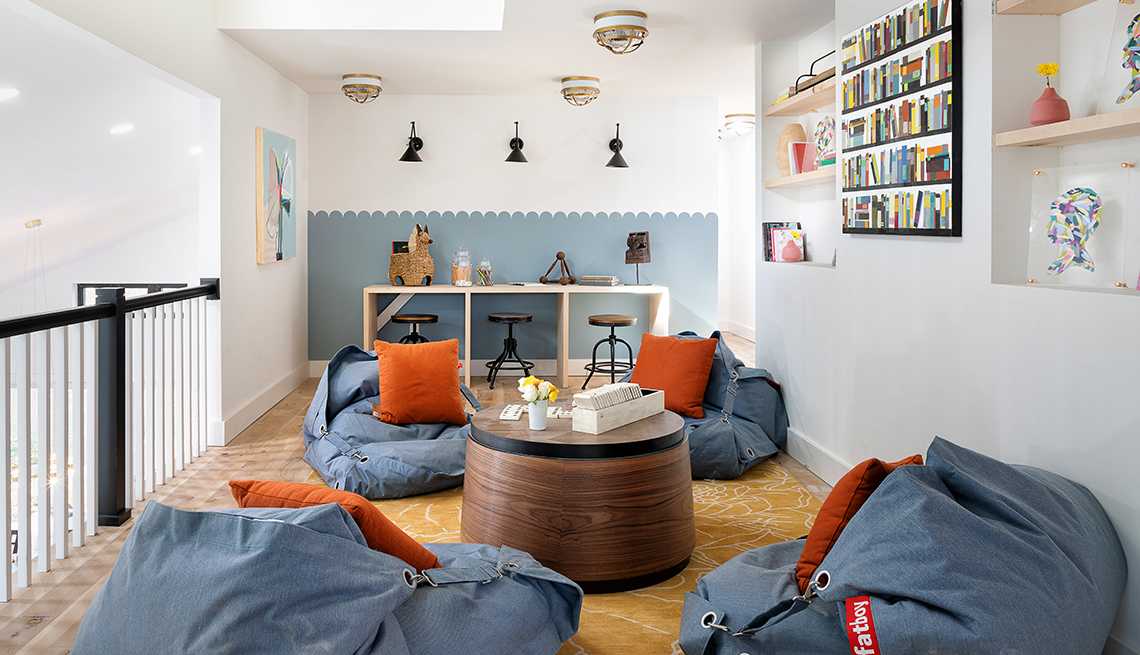
It also helps if your rooms serve dual purposes.
For example, a dining room used twice a year during family gatherings wastes valuable space.
That same room can hold a desk, charging station, or sleeping area during outages.
You can also build in seating here with storage underneath to keep essentials nearby during emergency situations.
Add Lighting That Works Without the Grid
Lighting updates should assume power interruptions will happen.
Hardwired ceiling lights alone leave rooms dark during outages.
Layered lighting solves that problem and improves daily use. Some good options include:
- Wall sconces placed at hallway turns and stair landings
- Plug-in lamps connected to battery packs
- Rechargeable LED strips under cabinets
- Exterior solar lights near doors and walkways
Account for switch placement, too.
Controls should be near the bedroom and exits to reduce movement in the dark.
These upgrades reduce risk during blackouts without making too much of a change to how the home looks.
Prepare for Generator Use
Don’t wait until a storm hits to go out and buy a generator.
A renovation offers the right moment to prepare wiring paths and exterior space.
Generator installation services often recommend planning for fuel access, noise control, and safe exhaust routing.
Placement should allow airflow while staying protected from the weather.
Electrical panels may also need updates to support load transfer.
A generator can power your refrigeration, heating equipment, medical devices, lighting, and internet access during emergencies.
Many homeowners aim for full-coverage backup power so daily routines continue in the time of a crisis.
Upgrade Insulation and Sealing
When indoor temperatures start dropping fast, power loss becomes even more stressful.
Renovations should focus on improving heating in winter and keeping excess warmth out during summer. Insulation upgrades pay off.
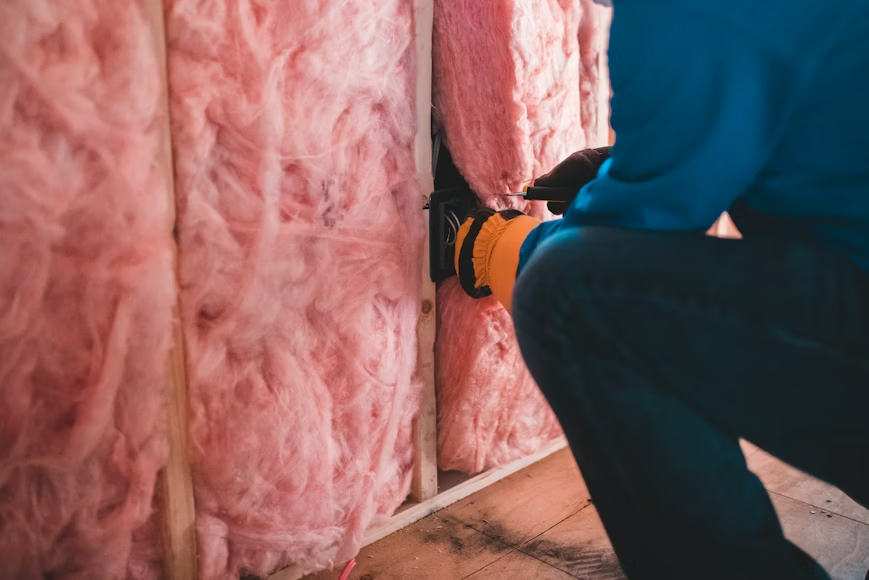
Areas to review include attic floors, wall cavities, crawl spaces, and rim joists. Old windows often leak air even when locked.
Replace worn seals, add storm panels, install door sweeps, and weather-strip gaps to improve comfort.
Another useful step is adding thermal curtains and window coverings.
Thick fabrics slow heat loss at night and block direct sun during hot afternoons.
You can also insulate the siding of the exterior walls or add rigid foam beneath cladding to reduce heat transfer and limit drafts.
Projects like these help winterproof your home and reduce reliance on constant heating.
During outages, your rooms will stay usable for a longer time. Even during normal days, energy bills will be lower.
Build Storage to Support Emergency Supplies
Emergency gear often ends up scattered across closets and garages, but during renovations, you can centralize these supplies so that they’re easier to find during emergencies.
Built-in cabinets near the kitchen or hallways keep items easy to reach. Here are some useful items to store:
- Battery packs
- Charging cables
- Shelf-stable food + bottled water
- Extra blankets and weather gear
- First aid kits
- Medication organizers
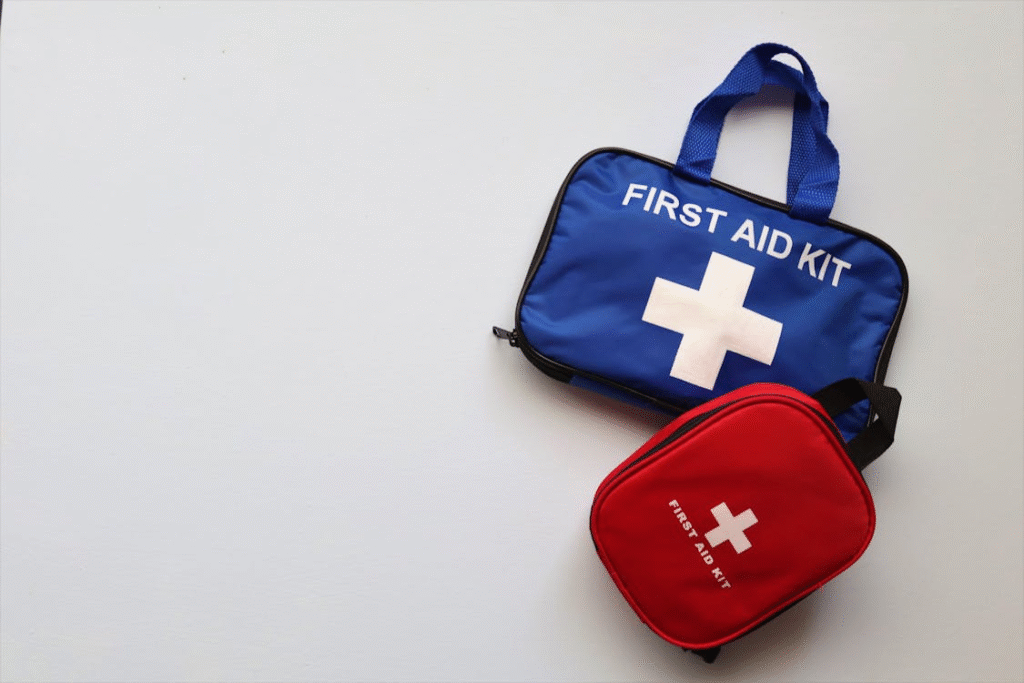
Label the shelves to save time during stress when you’re already in a state of panic.
Use clear bins so that you can check the contents without having to dig.
Update Heating Systems
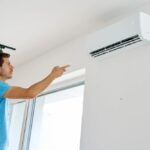
Heating deserves attention during renovation planning because systems that rely on one power source leave homes vulnerable.
Supplemental options reduce that risk.
Some examples include gas fireplaces with manual ignition, pellet stoves with battery backup, or radiant floor systems paired with generators.
Zoning systems help direct warmth to occupied rooms instead of heating empty space.
Don’t forget about maintenance.
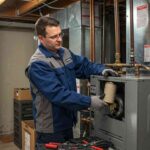
Filters, valves, and shutoff points should stay visible and reachable without moving furniture or tools.
Clear access shortens response time during cold nights and reduces strain when systems need attention. Keep thermostats away from drafts to get more stable readings.
Endnote
Modern renovations work best when they respect daily habits while preparing for disruptions that arrive without warning.
Small choices around layout, lighting, insulation, heating, water access, and power planning change how a home operates during an emergency.
These same choices often make normal days easier and more comfortable.
Emergency readiness does not ask for dramatic redesigns.
Renovations guided by real scenarios create homes that feel reliable through storms and outages while still serving everyday life well.