
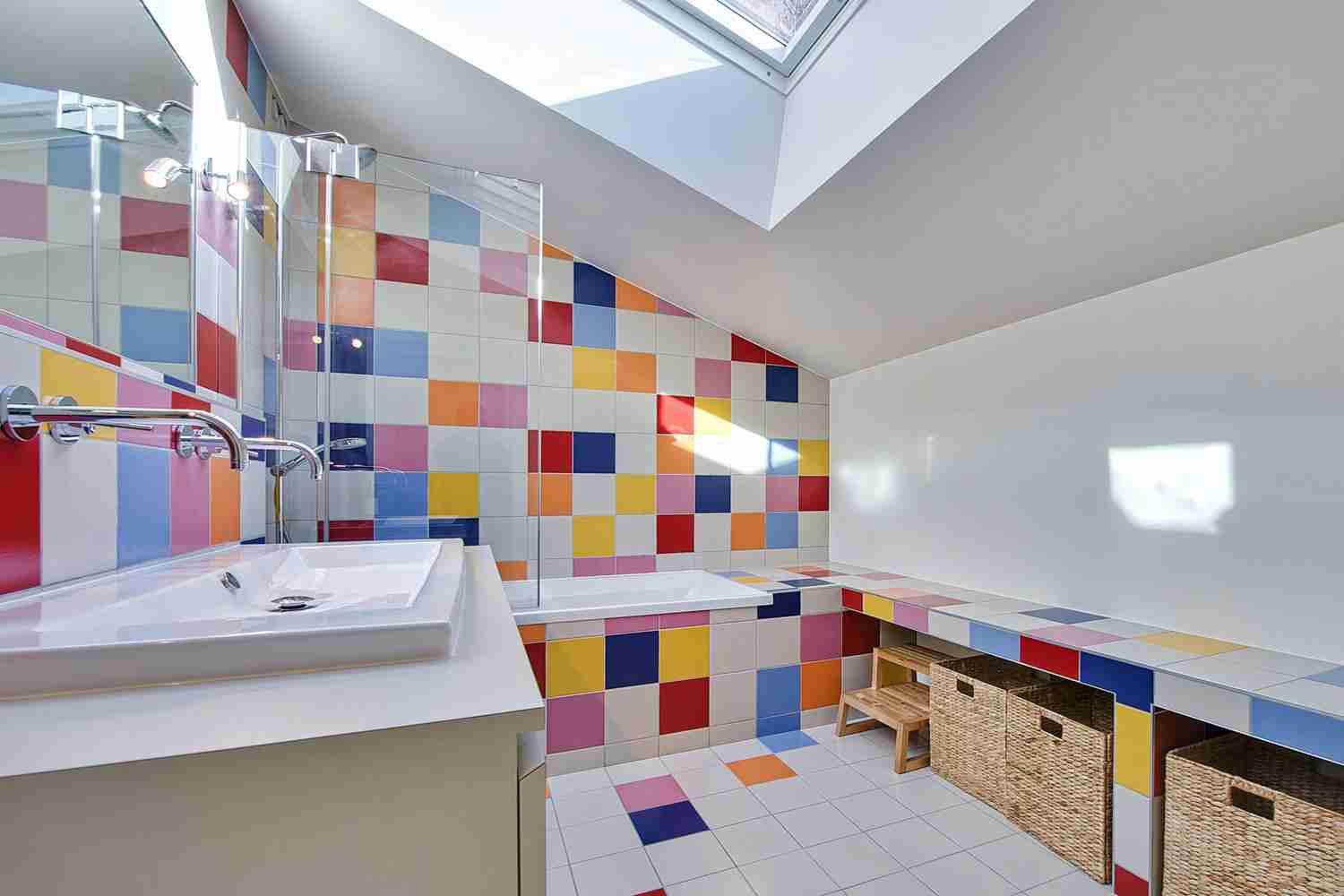
Multicolor tiles can completely change the way a room looks and feels.
They bring energy, personality, and visual interest, but using them well requires more than just picking colors you like.
The right mix of shades and patterns can make a space lively without feeling crowded or messy.
With a clear approach, multicolor tiles can turn floors, walls, or backsplashes into standout features that draw the eye and add character.
The Appeal of Multicolor Tiles
Multicolor tiles allow you to express personality and create interest in a way that single-color options cannot.
Mixing shades and patterns can make even a small or simple room feel vibrant and full of life.
These tiles work well in areas like kitchens, bathrooms, or entryways, where a touch of visual movement adds appeal without being overwhelming.
A subtle use of colored tile can also highlight certain areas or guide attention.
A few carefully placed shades can emphasize architectural details or separate zones within a room.
This approach makes the colors feel part of the space rather than just decoration.
There’s also a practical side to multicolor tiles.
Variations in color and pattern help conceal wear, dirt, and minor imperfections, making them a smart choice for high-traffic areas.
They pair well with ceramic materials, giving a natural texture and durable surface for daily use.
Choosing the Right Color Palette
Start by thinking about the room’s purpose, lighting, and existing finishes when selecting a palette.
Kitchens benefit from warm creams, while bathrooms or entryways can handle brighter contrasts for a more dynamic feel.
Soft, muted shades like subtle whites or gentle grays create harmony, while carefully chosen accents bring life without dominating the space.
Think about how the colors interact across the space.
Too many strong shades can feel busy, but a mix of timeless colors and a few vibrant highlights adds interest and focus.
Tile colors that complement each other make a space feel lively, while similar shades create a calmer atmosphere.
Look at other materials in the room for guidance. Wood, stone, or metal finishes can suggest color choices that tie the space together.
Matching tiles with what’s already there makes the room feel complete rather than disjointed, enhancing the overall modern home decor.
Patterns and Layout Options
The way tiles are arranged affects how the colors are noticed.
Simple grids or staggered effect layouts let the colors take center stage, while herringbone or chevron patterns add movement.
Accent areas like backsplashes or shower niches are good places to experiment with more detailed designs without overwhelming the room.
Combining patterns and colors can create visual interest while keeping the design cohesive.
Geometric shapes, mosaic tiles, or subtle decorative motifs can highlight the palette and give the space a unique personality.
Scale is another important factor. Large-format tiles make a dramatic statement, while smaller tiles allow for intricate designs.
The choice depends on the room’s approximate size, the effect you want to achieve, and how much upkeep you’re willing to manage.
Best Spaces for Multicolor Tiles
Some rooms naturally suit multicolor tiles more than others.
Bathrooms, kitchens, and entryways are popular choices because the tiles handle wear well and add visual interest.
Hallways, powder rooms, and patios can also take bolder patterns without feeling over the top.
Practicality matters. High-traffic areas benefit from durable surfaces, and the mix of colors helps hide small marks and dirt.
This makes it easier to use designs that might feel risky on plain floors or walls.
The mood of the room is important, too. Active spaces like playrooms or terraces can carry brighter patterns, while bedrooms usually respond better to softer tones.
Paying attention to color coordination helps the tiles complement wall colors and other finishes for a harmonious space.
Balancing Boldness With Neutral Elements
Multicolor tiles are easier to work with when paired with neutral surfaces.
Walls, countertops, and furniture in soft tones allow the tiles to stand out without making the space feel crowded.
Neutrals give the eye a place to rest and prevent the room from feeling busy.
Bold colors can also be limited to certain areas.
A colorful backsplash or central floor design draws attention without dominating the space.
These small areas create focal points that naturally guide the eye.
Lighting affects how the colors appear. Sunlight and well-placed fixtures can enhance shades while softening strong contrasts.
Considering spatial perception ensures the room feels open and inviting.
Maintenance and Practical Considerations
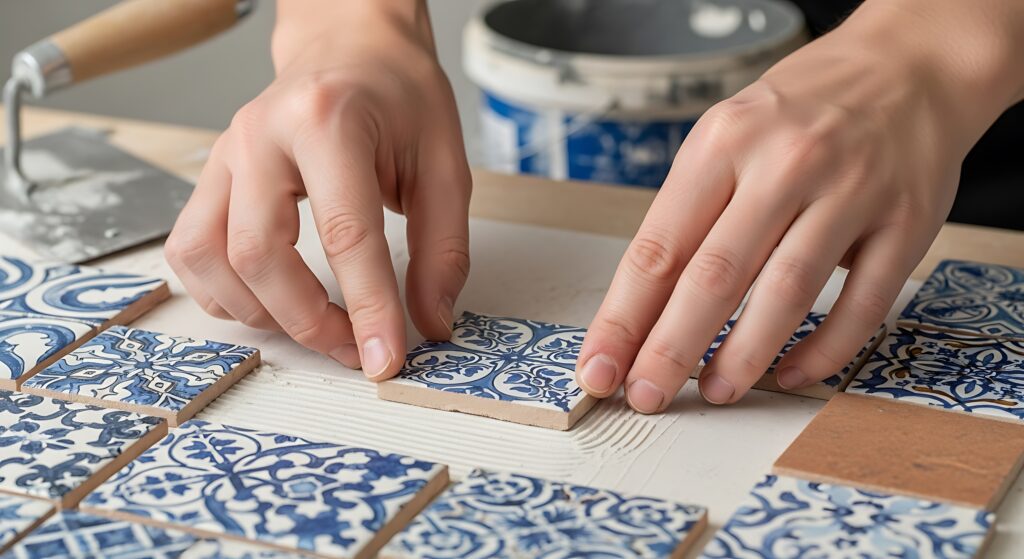
Multicolor tiles are practical for everyday living. Variations in shade help hide dirt, scuffs, and minor wear. Grout lines still need attention, especially when colors contrast strongly with the tiles.
Choose finishes suited to the space.
Matte or textured tiles work well for floors, reducing slipping and marks. Ceramic tile is a strong option for both walls and floors due to its durability.
Sealing tiles protects them from moisture and staining, keeping them looking good over time.
Installation also matters. Planning the tile layout carefully ensures the colors are distributed evenly and the pattern feels natural.
Small misalignments can distract from the overall look, so precise placement is important.
Planning for Longevity and Style
Think about how the space will be used and how long you want the design to last.
Bright or trendy combinations can be confined to smaller areas that are easier to update later.
Consider traffic and daily wear. High-use areas need stronger tiles and practical grout colors, while decorative zones can handle more delicate choices.
Planning ahead reduces problems later and helps the room look good for years.
Finally, use your judgment. Step back, look at the lighting, and imagine living with the tiles every day.
Checking placement, color distribution, and pattern helps ensure the room feels lively, welcoming, and comfortable.
Wrapping It Up
Multicolor tiles give any room a unique personality, but they work best when the colors and patterns are placed with care.
Look at the space as a whole and consider how light, materials, and function interact with the tiles.
When done right, multicolor tiles become a feature you notice and enjoy every day, adding interest and character that lasts.