
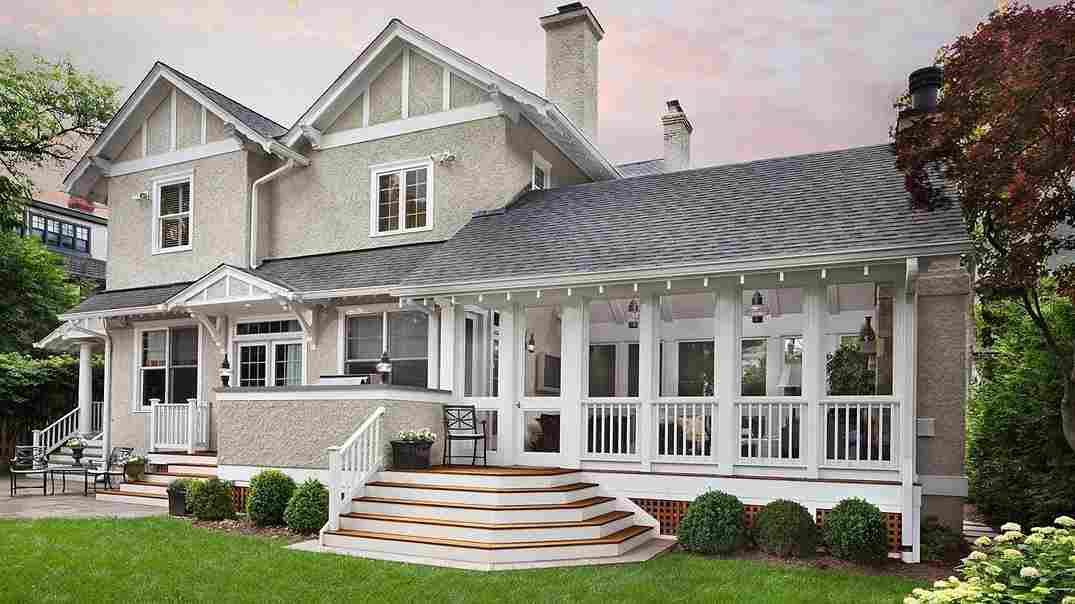
Dreaming of renovating an older home?
It happens all the time. Homeowners jump into renovation projects every year without checking interior and exterior structures first.
Then they find costly problems behind the walls.
According to new research, nearly 39% of homeowners go over budget as a result of surprise renovation findings.
The good news is that the majority of these surprises are avoidable.
Renovating an older home doesn’t have to hurt your budget. But you do need to know what structural concerns to look out for (and double-check) before property renovation work begins.
Renovating an older home? Prioritise these structural concerns first:
- Preventative maintenance saves you money
- Catch structural issues BEFORE they become costly
- Learn what safety hazards to look out for
Let’s take a look.
Why Structural Concerns Should Come First
Want your renovation project to go smoothly?
Don’t start cutting holes in walls until you’ve checked out the structural integrity of the home.
Sure, cosmetic upgrades are fun. But they’re also a big distraction from the things that matter.
Like making sure your home is safe to live in.
The structure of your home is the literal foundation that everything else is built upon.
No matter how pretty you can make old walls with paint or flooring with tiles, it won’t fix underlying problems with your home.
Like cracks in the foundation. Sagging floorboards. And a leaking roof.
Many homes around the world were built decades ago. Some even 100+ years!
Around 60% of all owner-occupied homes in the United States were built before 1980.
The fact of the matter is older homes have older systems. Some may not even meet standard building codes.
When you start renovating, the smartest place to start is by understanding the condition of your home from a structural point of view.
And that’s where professional services like project management come into play.
Engage with an established engineering company like Beca prior to renovations so they can assess structural risks.
Having someone take a professional look at your home before you pick your tiles or cabinet colours ensures your renovation plans don’t come with unwanted surprises.
It’s much easier (and cheaper) to fix foundational issues before your kitchen goes in.
The Most Common Structural Issues with Older Homes
Some structural problems can be easy to spot. Other times they’re hidden from view behind walls.
But there are a few common risk areas that come up again and again when renovating older homes.
Here are the big ones.
Foundational cracks and settling.
Your foundation is literally the foundation your home is built on.
If soil movement has occurred under the property (through moisture or natural causes) it can cause walls to crack and floors to become un-level.
Older homes that have not been renovated before may start to show signs of wear in foundation structure.
Declining roof integrity.
Roofing materials don’t last forever. As your roof ages it’s common for tiles to go missing or become damaged.
When rainwater starts to leak through the roof it can cause water damage and mold growth on internal timbers.
Damaged load-bearing walls.
Through the years older homes have often been renovated without consideration for compromising load bearing walls.
Weakened support walls are more common in older houses than you think.
Addressing these kinds of structural issues early can save you thousands in repair costs down the track.
How To Spot Foundation Issues Early
If your house is resting on a weak foundation you can bet that anything built on top of it is too.
As mentioned above, your foundation is critical to your home’s structure. But foundation problems can occur slowly over time.
Here are a few red flags to look out for that might indicate your foundation is shifting.
- Hairline cracks in walls
- Door frames that are no longer level
- Doors that won’t open or close properly
- Windows that stick in their frames
- Floors that are sloped rather than level
If you spot one or more of these issues during your home renovation, get in touch with a structural engineer to take a closer look.
Many small foundation issues can be repaired easily if caught in time.
Some homeowners attempt to DIY these projects.
Resist the urge! Structural issues should always be left to certified professionals.
Electrical and Plumbing Red Flags
Just because your home has been standing for 50+ years doesn’t mean it was built using quality materials.
Some old buildings were constructed using sub-par standards. And there are two places that tend to show up the most.
Electrical wiring and plumbing.
Your home’s electrical wiring and plumbing may be stuck in the past.
If your home was built before the 1960’s it’s likely using outdated electrical wirings like knob and tube.
Knob and tube wiring is a fire hazard. Don’t take the risk.
Similarly, outdated plumbing is often made from galvanised steel or even lead.
Old pipes corrode over time. Rusty pipes cause toilet leaks. Low water pressure. And health hazards from tainted drinking water.
Check your wiring, pipes and electrical boxes are up-to-date before renovating older homes. These are not the places you want to DIY.
Updates to wiring and simple plumbing should be taken care of before your renovations start.
Getting Professional Structural Assistance
Never DIY structural problems.
The biggest rookie mistake new renovators make is trying to save time and money by skipping the professional inspection process.
Renovating an older house isn’t difficult. But there are important steps you should take to ensure everything is structurally sound.
At the very least you should consult with:
- A structural engineer
- Electrician
- Plumber
- Building inspector
Each of these professionals play an important role when renovating older homes. From safety hazards to qualified renovations permits.
Having the right team onboard will save you money in the long run.
Plus it’s a lot easier to fix structural problems before you knock down walls.
Professional inspections could save you thousands in repair costs.
Think about it. Wouldn’t you rather spend $500 having someone look over your property and spot potential issues… then have to reinvest $5000 back into your home after renovations have already started?
Let’s Wrap This Up
Renovating an older home can be a fun project. As long as you know what to look out for ahead of time.
If you fail to prepare, you prepare to fail.
Old homes often come with older building systems. Some of which may not pass a safety standard inspection.
Here’s your homework checklist:
- Double check foundations, roofing, and load-bearing walls are solid.
- Upgrade wiring and plumbing as needed.
- Hire qualified professionals to take a look.
Once you know the structural integrity of your home is sound. You can start renovating safely.
Happy renovating.