
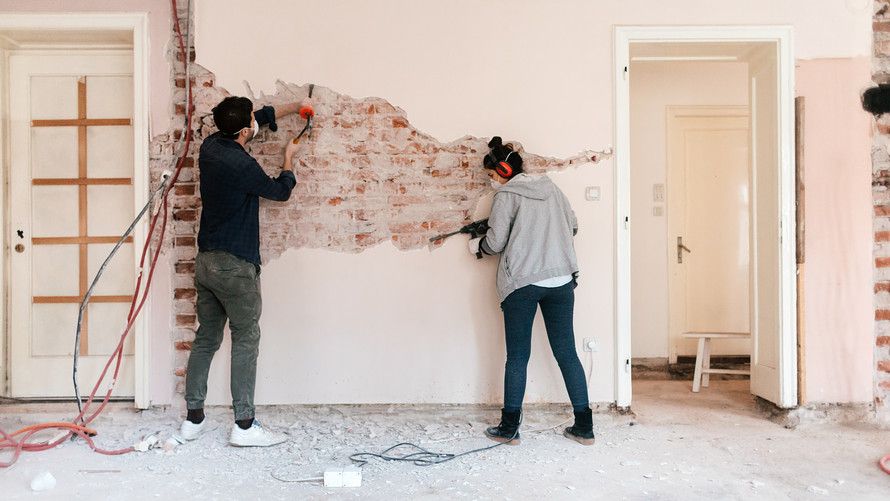
Home improvement doesn’t have to happen all at once.
I’m gonna walk you through ten smart ways to level up your space bit by bit, without the stress of trying to do everything tomorrow.
Ready? Let’s dive into these game-changing tips that’ll transform your house into something special.
Listen, nobody wakes up with a perfect house.
Even those amazing homes you drool over on social media? They took years to get that way.
The problem is we get all fired up watching renovation shows where they gut a place and rebuild paradise in 42 minutes flat.
Real life doesn’t work like that.
The secret to an awesome home isn’t some massive renovation that drains your bank account.
It’s making smart moves over time.
Little changes that add up. Think of your house like a garden – you plant, you nurture, you prune, and eventually you’ve got something beautiful.
So what’s up guys? Let’s talk about upgrading your space the smart way – no rushing, no panic spending, just steady improvements that make a real difference.
10 Tips To Improve Your Home Over Time
Here’s the deal – these tips aren’t about trendy shortcuts or blowing your savings on stuff that’ll look dated next year.
This is about making solid choices that build value while making your daily life better right now.
I’ll walk you through what works, what to avoid, and how to get the most bang for your buck.
Some of these might surprise you.
Start With Regular Home Maintenance
You know what’s way less exciting than new kitchen cabinets but way more important? Making sure your roof isn’t leaking and your gutters aren’t clogged.
Basic maintenance saves you thousands down the road.
I’m talking about checking for leaky faucets, cleaning your dryer vent, replacing HVAC filters, and sealing cracks.
Boring stuff, I know, but skip it and watch problems multiply.
Create a maintenance calendar – seasonal stuff like gutter cleaning in fall, checking your AC before summer hits, testing smoke detectors when the time changes.
These things take minutes but save major headaches.
Maintenance isn’t just preventing disaster – it’s about keeping what you already have working well. A well-maintained home simply works better day to day.
Plus, when you do decide to sell, a house with good bones always gets more money than one with hidden problems.
Upgrade High-Impact Areas First
Not all rooms are created equal.
Your kitchen and bathrooms punch way above their weight when it comes to how your home feels and functions.
Start with the spaces that matter most to you. Love cooking? Focus on your kitchen first.
Work from home? Maybe your office needs attention.
The trick is prioritizing what affects your daily life most.
For residents of Des Moines bathroom remodeling is a convenient upgrade that often pays off..
Even small bathroom upgrades like replacing an old vanity, updating fixtures, or re-grouting tile can make a huge difference without costing a fortune.
When picking projects, ask yourself: “Will this change how I use my home every day?” If yes, move it up the list.
A fancy dining room sounds nice, but if you eat there twice a year, maybe fix that cramped laundry room first.
Improve Energy Efficiency
This might sound like the boring suggestion your dad would make, but trust me – energy efficiency improvements pay you back every single month.
Start small. Weather stripping around doors and windows costs almost nothing but cuts drafts immediately.
Swap out old light bulbs for LEDs. Add a programmable thermostat.
These little things add up fast.
When you’re ready for bigger moves, look at insulation.
Most homes don’t have enough, especially older ones.
Attic insulation gives you the biggest return since heat rises. Your heating bill will drop the first month after adding it.
Windows are another big one.
If you’ve got old single-pane windows, replacing them might cost some money upfront, but the comfort difference is huge – no more freezing by the window in winter or baking in summer.
Plus your energy bills drop.
The cool thing about efficiency upgrades is they’re working for you 24/7, saving money while you sleep. Unlike that fancy backsplash that just sits there looking pretty.
Refresh Interior Paint Periodically
Nothing changes a room faster or cheaper than paint. Seriously.
You can transform a space in a weekend for under $200.
First things first, always use a drop cloth.
I don’t care how careful you think you’ll be – you’re gonna spill. Trust me on this one.
For walls, stick with flat or matte finishes.
Semi-gloss looks weird on big wall surfaces and shows every imperfection. Save the shinier stuff for trim and doors.
Don’t cheap out on paint quality.
Get the good stuff from Benjamin Moore or Sherwin-Williams.
Cheap paint looks… well, cheap. And you’ll need more coats, which means more work. False economy, people.
When picking colors, remember that lighter colors make spaces feel bigger and brighter.
If you’re painting to sell someday, neutral doesn’t have to mean boring beige.
Soft grays and warm whites work with everything and won’t turn off buyers.
Enhance Storage and Organization
Nobody ever complained about having too much storage. Ever.
Adding smart storage solutions makes daily life way easier.
Look for wasted spaces first. That gap between the fridge and wall? Slide-out pantry.
Dead space under stairs? Built-in drawers or cabinets. Back of doors? Hooks or organizers.
Don’t just add random boxes and bins though.
The best storage solutions match how you actually live.
If you’re always dropping stuff at the front door, put a storage bench there. Kitchen counters always cluttered? Maybe you need deeper drawers or a coffee station.
Built-ins almost always add more value to your home than furniture, plus they use space more efficiently.
If you can swing it, custom closets, kitchen pullouts, and bathroom storage niches make a huge difference.
Start with the areas that drive you crazy first.
That pile of shoes by the door? The overflowing linen closet? Fix your daily pain points first, then move on to the nice-to-haves.
Modernize Outdated Fixtures
Fixtures are like jewelry for your house.
Swapping out dated light fixtures, faucets, doorknobs, and cabinet hardware gives you major impact without major demolition.
Light fixtures might be the biggest bang for your buck.
That 90s brass chandelier or those builder-grade boob lights? Replace them with something simple and modern, and the whole room feels updated.
For bathrooms and kitchens, faucets make a huge difference.
You don’t need to spend $500 – there are plenty of good-looking options around $100-200 that’ll completely change how the room feels.
Cabinet hardware is seriously underrated.
Swapping out those basic knobs for something with personality can transform even the most basic cabinets.
And if the cabinets themselves look tired, refinishing them can be an even bigger upgrade than new hardware alone.
A fresh coat of paint or stain can make old kitchen cabinets look brand new without the cost and mess of full replacement.
It’s like getting a new kitchen for a few hundred bucks instead of thousands.
One tip: keep finishes consistent in each room.
Mixing brass, chrome, and black in the same space looks accidental, not intentional.
Pick a lane and stay in it.
Invest in Quality Flooring
Cheap flooring is never worth it. Never.
It shows wear fast, can’t be refinished, and ends up costing more when you have to replace it again in a few years.
If you can’t afford to do all your flooring at once, do it room by room, but get the good stuff.
Engineered hardwood can be refinished multiple times and literally lasts generations. Quality vinyl plank or tile lasts decades.
When choosing flooring, think about how the room is used.
Kitchens and baths need water resistance. Living areas need durability. Bedrooms can be softer.
Installation matters as much as the material.
Bad installation ruins good materials.
This is one area where hiring pros usually pays off, especially for hardwood or tile. Your future self will thank you.
Improve Curb Appeal Over Time
First impressions matter. The front of your house sets expectations for everything inside.
The good news is curb appeal upgrades don’t have to happen all at once.
Start with the basics – keep your lawn maintained, trim bushes, add fresh mulch to beds.
These things cost almost nothing but make a huge difference.
Next, look at your front door.
A new door or even just fresh paint in a bold color makes your house stand out instantly.
Add new house numbers and maybe a new porch light, and you’ve got a whole new entry for a few hundred bucks.
For bigger impact, think about adding defined pathways, upgraded porch railings, or architectural details like window boxes or shutters.
These things can be added gradually as budget allows.
Plants are the secret weapon of curb appeal.
They add color, texture, and literally increase in value as they mature.
Start with a few key plants, then add more each season.
Add Smart Home Technology Gradually
Smart Device tech can be awesome but gets expensive fast if you try to do everything at once. Start with the stuff that makes your daily life easier, then expand.
A smart thermostat is a no-brainer first purchase.
It saves energy and pays for itself pretty quick.
Smart lighting in main living areas is another easy win – being able to control lights from your phone or voice is surprisingly useful.
Security features like video doorbells and smart locks offer real peace of mind and aren’t too complicated to install.
Plus they work with most existing doors.
Here’s the thing though – don’t go crazy buying every smart gadget.
Focus on the ones that solve actual problems in your life. And stick with major platforms like Alexa, Google, or Apple HomeKit so everything works together.
Personalize With Thoughtful Decor Updates
Your home should feel like you, not like a furniture showroom.
The trick is adding personality while keeping things cohesive.
Start with the bigger pieces – sofa, bed, dining table.
Keep these relatively neutral so they last through your changing tastes.
Then add personality with things that are easier to swap out – pillows, art, rugs, and accessories.
Gallery walls are awesome for showing off your personality.
Mix photos, art, and interesting objects. The secret is using similar frames to keep it looking intentional.
Don’t buy everything at once or from the same store.
The best rooms feel collected over time.
Mix new pieces with vintage finds, family heirlooms, or travel souvenirs.
These personal touches are what make a house feel like a home.
Conclusion
Look, the perfect home doesn’t happen overnight.
Those magazine-worthy spaces you admire took years to create.
The secret is making thoughtful improvements consistently over time.
Start with the must-dos like house maintenance, then tackle the high-impact areas that affect your daily life.
Mix in some quick wins like paint and fixtures to keep your motivation high while you save for bigger projects.
Remember that the best homes aren’t the most expensive or the most trendy. They’re the ones that work perfectly for the people who live in them. Focus on making your space function better for your actual life, not some imaginary perfect version.
Your home is a journey, not a destination.
Enjoy the process of making it better bit by bit.
That’s the real secret to a house that feels amazing to come home to.