
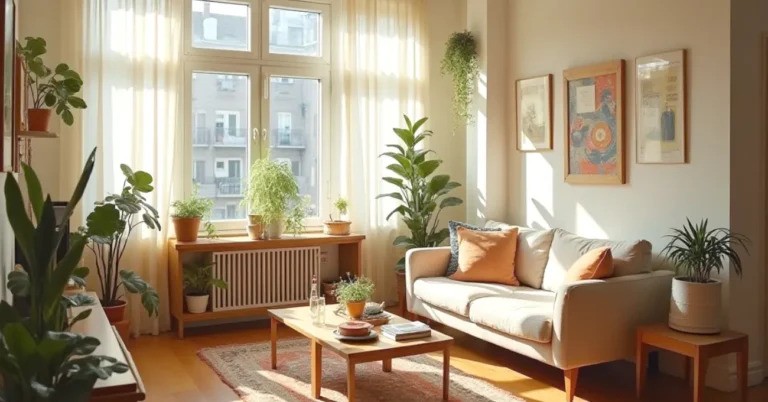
Small living means creativity when it comes to storage, and that is more than true in the small apartment I share with my 8-year-old.
When you have limited square footage, making the most of every inch is critical—figuring out how to keep your clutter while maintaining cool design isn’t always easy.
Happily, clever planning and common-sense solutions can have a big impact.
Whether it’s capitalizing on vertical space, or selecting furniture that can serve dual purposes, then there are ways to maximize your storage without skimping on the style and function of your rental.
Homeowners looking to remodel or expand storage space can also reach out to this mortgage lender to investigate financing solutions that make these improvements more economical.
It shares actionable ideas on how to leverage space, eliminate clutter and streamline everyday living in a small home.
Maximizing Vertical Space: Shelves, Hooks, and Wall Solutions
When you live in a small apartment, floor space is a hot commodity, so looking up is one of the best things you can do.
Wall-mounted shelves can be placed practically anywhere, from above a desk to above a bed.
Open shelves mean being able to find everything you need, but with a sleek design — and floating shelves provide space up to the ceiling. And hooks and pegboards are practical, stocking a place to hang keys or handbags, kitchen utensils, or small plants.
Magnetic strips are especially effective at storing metal objects, like knives or tools, in the kitchen or workshop.
Tall, slim cabinets make use of vertical space without taking up too much valuable floor space.
Homeowners in many apartments overlook the spaces above doors or windows, or above radiators, which can hold shelves and organize seasonal decorations, books or extra bedding.
Adding layers of vertical storage with decorative overtones — whether framed art or plants — makes the solution feel intentional and integrated, rather than haphazard.
Making the most of vertical space is not only a way to include storage, but also to hang on to an open-feeling floor plan.
By raising storage up, you pull the eye up, and it gives you the illusion of higher ceilings, making everything feel bigger and more livable.
For those house-bounties where space is tight, think vertically: a workout storage strategy can help you turn dead space into functional, organized zones.
This method ensures that everything has a proper home, and that spaces are unimpeded when it comes to pathways or surfaces — an essential for living comfortably in tight quarters.
Smart Furniture: Dual-Purpose and Hidden Storage Options
Multipurpose furniture is a must in an apartment this small.
Make your space as functional as possible by opting for a bed with additional drawers, sofas that have underneath compartments to maximize storage or an ottoman that opens up to store blankets and living space must-haves without letting on.
Tables with shelves or hidden drawers offer extra storage for magazines, knitting projects, remote controls and small electronics without adding space.
In tiny apartments, these dual-purpose pieces can serve as furniture and functional storage.
Convertible furniture is particularly useful. Fold-out desks, Murphy beds and expandable dining tables allow you to transform a room for multiple uses.
During the day, a living room can be converted to a workspace and at night, it is made into a bedroom without making the space appear cluttered.
Modular furniture also gives you the ability to rearrange your storage zones as and when required.
Stackable or mobile furniture and accessories enable residents to reconfigure layouts for entertaining or daily use, thereby making the most of a limited amount of space.
Decluttering Strategies: How to Keep Only What You Need
Storage is efficient when you can reduce the amount of stuff you have.
Even a handful of objects that you don’t need can leave you feeling like your small apartment is overwhelmed with junk.
It is essential to look through your belongings regularly and eliminate possessions that you seldom use or no longer need.
Deciding what to keep and what to donate is easier when people sort items by how often they are used, sentimental value or season, many resident say.
Decluttering also improves functionality.
Storage solutions just work better when things are pared down.
Shelves, cabinets, and drawers are less likely to spill over, and things you use regularly are easier to get to. “It’s almost like this law of conservation of objects,” she said. “If you use the ‘one in, one out’ method, nothing builds up.”
Digital decluttering is also useful, sorting out documents/photos/subscriptions mean less extra physical filing cabinets are needed.
Decluttering is not a one-off, it’s an ongoing process. Speaking of which, using a little bit of time sometimes to re-evaluate what you own keeps storage manageable.
Additionally, thoughtful organization complements decluttering. Organizing things well, labeling storage bins, and storing daily staples at eye level can cut back on mess before it starts.
Residents frequently don’t realize the emotional impact of clutter—taking a more minimalist approach makes it easier to relax and be happy living in an apartment.
Keeping what you need and nothing more is the key to good storage in tight spaces.
Room-by-Room Storage Solutions: Kitchen, Bedroom, and Living Areas
Small apartment needs targeted storage solutions for each room. And in kitchens, space-saving vertical racks and pull-out pantry drawers along with magnetic spice racks widen the capacity without clogging countertops.
Hanging utensils, or cleaning supplies behind cabinet doors creates function in otherwise underused space.
Stackable storage boxes and clear plastic bins, so you can easily see what’s stored inside without opening the container.
And bedrooms have a tendency to become cluttered with clothes and personal items.
Tall wardrobes, under-bed drawers and over-door organizers can aid in keeping clothing out of sight but accessible.
Wall-mounted night stands with shelves or cubbies give you storage without eating up any of the limited floor space.
Vertical shelving is perfect for books or decorative items even in compact bedrooms, alleviating the dependence on large furniture.
Stowage can be incorporated in living areas without compromising design.
When it comes to storage, modular sofas with hidden compartments, a media console with drawers or decorative baskets or boxes could hide stuff such as blankets, toys or electronics.
Vertical shelving, and corner units help turn dead zones into functional ones.
Multipurpose furniture; tables that double up as coffee tables or benches with storage under the seat are great ways to keep those bits and bobs away from view, but still feel like your home is functional.