
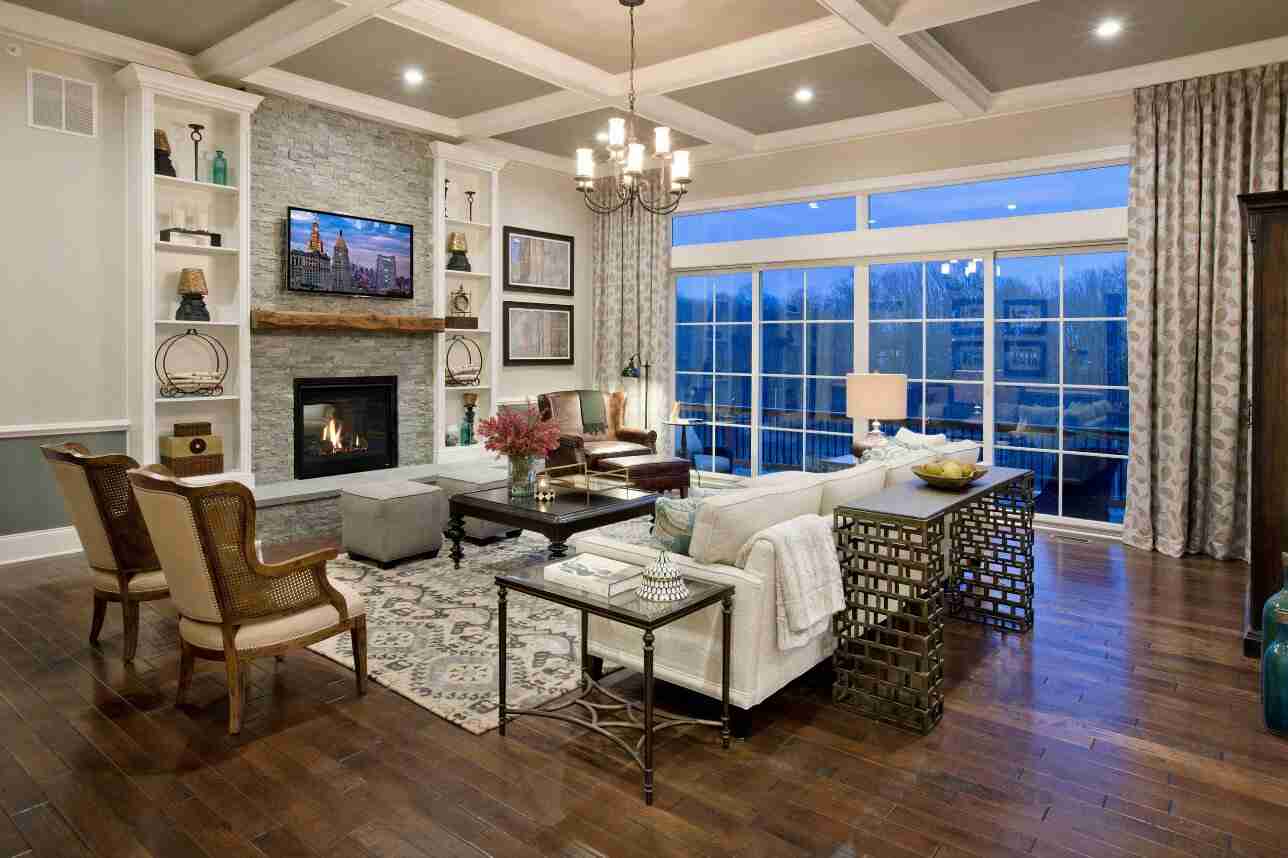
Ever glance around your home in the middle of a Seattle rainstorm and think, “This place could use a little less draft and a little more charm”?
You’re not alone.
As more people continue to work, unwind, and even exercise from home, the expectation that our houses function like well-oiled machines has only grown. And yet, major renovations still come with hefty price tags, supply chain delays, and permits no one wants to deal with.
In this blog, we will share straightforward ideas to improve a home—changes that aren’t about perfection, but about making the space feel more thoughtful, more usable, and more aligned with how people actually live.
Better windows, better everything
Every home project list should include windows.
Not because it’s glamorous, but because it directly impacts comfort, energy efficiency, and even how a room feels throughout the day.
Old windows don’t just leak air—they leak money, noise, and patience. That gentle breeze across the living room floor in January? Not charming. Just expensive.
A good place to start is with a trusted Seattle window company. Working with local professionals means more than just picking glass that looks nice.
You want frames and seals that handle damp conditions, reduce outside noise, and regulate heat transfer.
Modern window designs can completely reshape how much light a room gets and how well it holds temperature.
And let’s not overlook the practical benefits.
Well-installed windows reduce condensation, stop mold from creeping in, and even help furniture and floors last longer by blocking UV.
It’s one of those changes that doesn’t feel flashy but quietly improves your quality of life every day.
Lighting that actually works for your lifestyle
There’s nothing like sitting in a room lit by a single ceiling bulb to make you feel like you’ve just been booked for questioning.
Most lighting plans in older homes don’t accommodate how people live now. The goal isn’t more light—it’s better light.
Layer your lighting. Combine ambient overhead fixtures with task lights for workspaces and accent lighting that adds warmth.
Put a dimmer on the main room switch so you’re not blasted with brightness when all you want is a calm evening.
Add motion-sensor lights in closets or stairwells to reduce frustration and improve safety.
Changing a light fixture isn’t hard.
Updating the bulbs and their temperature—cooler light in task areas, warmer tones for relaxation—makes an immediate difference.
You don’t need smart bulbs that sync with your mood.
You need light that doesn’t compete with your screen during Zoom calls or make dinner feel like it’s being served in a warehouse.
Cabinets, closets, and storage that stop fighting you
The modern home isn’t short on space.
It’s short on usable space.
Everyone has a cabinet they hate opening because it turns into a game of “what’s going to fall out this time?” Start with the storage areas that frustrate you the most and rethink how they function.
Install pull-out shelves in base cabinets so you can reach the back without kneeling.
Add drawer dividers that separate your kitchen tools from the chaos. Hang hooks behind doors for backpacks, robes, or pet gear.
In closets, switch to slim velvet hangers to gain inches without a full redesign.
You don’t have to demo anything.
You just need systems that match how you live. If your pantry stores appliances more often than food, build it for that purpose.
If you always dump keys, mail, and headphones in the same spot, make it an organized drop zone. These aren’t cosmetic upgrades. They’re efficiency plays.
Paint isn’t decoration. It’s recalibration.
You could repaint an entire room, but you probably don’t need to. What most homes benefit from is focused paintwork.
Freshen up the baseboards, doorframes, and trim first.
These high-contact, high-visibility areas wear faster than walls and drag down the room’s appearance even when everything else is clean.
Update a tired door with a contrasting color and new hardware.
Use an accent wall to define a section of an open-concept space.
Stick to colors that create calm in the places you want to decompress and sharper tones in places that need focus.
Paint’s real power isn’t in trendiness—it’s in its ability to make familiar spaces feel more deliberate. And unlike flooring or major fixtures, it’s reversible.
If you change your mind in six months, no one needs a crowbar.
Refresh the things you touch the most
Think about your day. What do you physically interact with the most? Faucet handles. Doorknobs. Light switches. Drawer pulls.
These are the daily tactile points that quietly shape your relationship with your home.
Swap out old, squeaky hardware for something that feels solid in your hand.
Upgrade a faucet to one with a pull-down sprayer or touch-activation.
Replace worn switch plates and outlet covers. None of this requires heavy lifting, but it sharpens the details. And homes, like clothes, look best when the small things fit right.
Don’t forget the outside—even if you don’t have a yard
Improving the way your home works means respecting its envelope. If you’ve got outdoor space, even a little bit, give it structure.
Add outdoor lighting to steps or walkways.
Use container plants to soften hard edges or add some seasonal life. Power wash the sidewalk or steps. Paint the front door.
For small balconies or porches, a compact bench and some weather-resistant cushions can turn dead square footage into a place you actually use.
Solar-powered string lights, a small rug, and a side table make the space feel like an extension of the home—not just a parking zone for Amazon boxes.
It’s not about square footage. It’s about usable footage. Outside counts too.
Small changes build emotional momentum
One of the biggest benefits of straightforward home upgrades is how they impact your psychology.
When you change how your home responds to your needs—how it functions day-to-day—you feel less friction.
You stop avoiding tasks. You stop muttering at the cabinets. You move through rooms without reminders of what needs fixing.
And that changes your mood. Your routines.
Even your relationship with the space. You start to enjoy your home not because it’s a showpiece, but because it works the way it should.
With current financial pressures and uncertainty still defining much of the housing market, people aren’t looking to blow out walls or chase massive projects they’ll regret.
They want real results. Manageable effort. Less drama.
Straightforward improvements offer that rare mix: control, satisfaction, and the sense that your space is finally starting to reflect how you live—not how it looked in the listing photos.
And once you start making those changes, the next ones get easier. Because now, the house is helping. Not holding you back.