
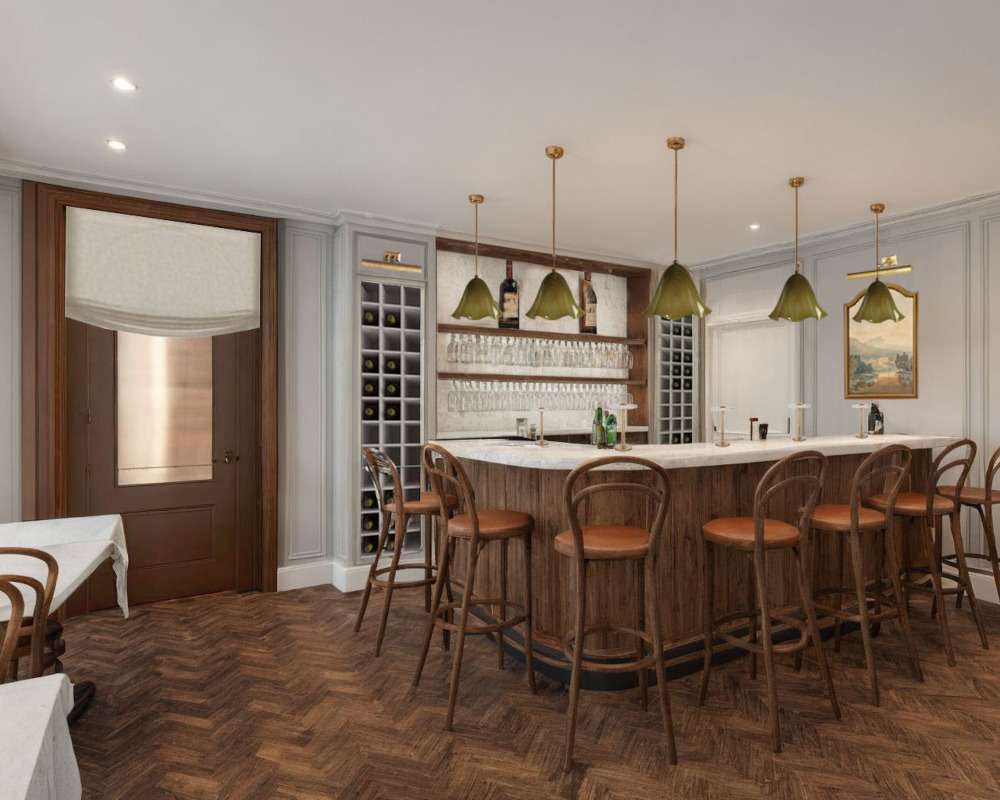
The art of renovation lives at the meeting point of imagination and action, where creative ideas must survive real world conditions.
A renovation that succeeds does more than change surfaces.
It reshapes how people move through space, how light behaves, and how daily routines feel over time.
Vision starts the conversation, yet execution decides the outcome. That balance defines work that lasts.
In many homes, the first sparks of inspiration come from a bathroom renovation, where personal comfort meets spatial restraint.
Others begin dreaming through a kitchen remodel, imagining a room that supports cooking, conversation, and connection.
Some homeowners look downward to a basement renovation, thinking about how to reclaim square footage that once sat unused.
All of these ideas orbit around interior design, yet design alone cannot carry the project to completion.
Vision as a Living Concept
Design vision is not a fixed picture.
It changes as light shifts, materials arrive, and walls open. Early sketches and mood boards set direction, yet renovation asks for flexibility.
Old structures hold surprises. Framing may differ from plans. Plumbing routes might follow outdated logic.
These discoveries test vision, forcing it to adapt rather than collapse.
Strong renovation thinking treats vision as a guide, not a rigid command.
Colors, textures, and layouts can shift while still honoring the original intent.
A homeowner might imagine warm wood tones, then realize that there are existing beams worth celebrating (rather than hiding).
The design grows from the space instead of fighting it.
Examining the Existing Structure
Every renovation begins with listening to the building. Walls tell stories through their thickness. Floors reveal age through slope and wear.
Ceiling heights hint at past uses. Ignoring these cues leads to frustration and wasted effort. Respecting them opens creative doors.
Structural realities shape design choices. Load bearing walls dictate room flow. Window placement influences lighting plans.
Mechanical systems limit where fixtures can live.
A thoughtful renovation treats these as collaborators. Design progresses through conversation with what already stands.
Materials as Decision Makers
Materials influence more than appearance.
They affect sound, durability, and daily upkeep.
Stone counters feel solid but demand care.
Engineered surfaces balance appearance with practicality. Flooring choices change how footsteps echo and how rooms feel underfoot.
Selecting materials becomes an exercise in restraint.
Too many textures can overpower a space. Too few can leave it flat.
The art of renovation lies in choosing finishes that support the vision without dominating it.
Each material should earn its place through function as well as form.
Spatial Flow and Human Movement
Great renovation design considers how people move. Doors swing into paths.
Hallways narrow unexpectedly. Sightlines shape first impressions.
A space may look beautiful yet feel awkward if movement is ignored.
Flow depends on scale and proportion.
Widening a doorway can change how rooms relate.
Adjusting ceiling transitions can soften shifts between old and new areas.
These subtle changes often matter more than bold gestures. They allow spaces to feel intuitive rather than staged.
Light as an Active Element
Light transforms renovation outcomes. Natural light reveals textures honestly.
Artificial light controls mood after sunset.
Poor lighting can flatten even the most thoughtful design.
Window placement, size, and orientation matter early.
During renovation, opportunities often appear to adjust openings or add skylights. Interior lighting plans should respond to how rooms function at different hours.
Task lighting supports work. Ambient lighting shapes atmosphere.
Accent lighting highlights architectural details.
Each layer works together without competing.
Craftsmanship and Execution
Execution separates ideas from results.
Precision in measurement, alignment, and installation determines longevity. Crooked tile lines distract the eye. Poorly hung doors frustrate daily use.
Attention during execution respects the design and the homeowner alike.
Craftsmanship also reflects planning.
Clear drawings reduce confusion. Sequencing tasks avoids damage.
Patience during finishing stages rewards everyone involved.
The art of renovation demands discipline at this stage. Vision must survive dust, noise, and time pressures.
Budget as a Creative Boundary
Budget often carries a negative reputation. In reality, limits sharpen creativity.
Clear financial boundaries force prioritization.
They ask hard questions about value and longevity.
A successful renovation allocates resources where impact lasts.
Structural improvements outlive decorative trends.
High use areas deserve stronger materials.
Visual drama can come from thoughtful layout rather than expensive finishes. Budget becomes a design partner instead of an obstacle.
Timelines and Reality
Renovation unfolds over weeks or months.
Schedules shift as discoveries arise.
Flexibility reduces stress. Rigid expectations rarely survive contact with existing buildings. Communication keeps projects grounded.
Knowing the sequence of work helps homeowners stay patient.
Demolition feels chaotic. Framing looks unfinished. Final details arrive last.
Trust in the process grows when progress is measured realistically rather than emotionally.
Emotional Investment and Decision Fatigue
Renovation touches personal space, which raises emotional stakes.
Decisions stack quickly. Colors, fixtures, hardware, and layouts demand attention. Fatigue sets in if choices lack clarity.
Strong design vision reduces this burden. Clear priorities guide decisions.
When vision stays visible, smaller choices fall into place.
The renovation journey becomes manageable rather than staggering.
Balancing Trend and Longevity
Design trends inspire, yet homes outlast fashions.
Renovation choices should age gracefully. Bold elements work best when balanced by timeless basics.
Using trend driven colors on walls rather than permanent fixtures allows future change. Classic proportions ground experimental details.
The art of renovation respects the present while planning for years ahead.
Collaboration Across Disciplines
Renovation brings together designers, builders, and specialists.
Each role views the project differently.
Respectful collaboration turns those differences into strengths.
Design intent benefits from practical insight. Construction expertise refines ideas into workable solutions.
Open dialogue avoids costly misunderstandings.
Shared goals help line up effort and outcome.
Renovation as Transformation, Not Replacement
True renovation honors what exists while reshaping it.
It does not erase history. It edits and reinterprets. Original details can coexist with modern needs when treated thoughtfully.
Transformation occurs when spaces gain clarity and purpose.
Rooms feel intentional. Daily routines improve.
The house supports life rather than resisting it. That result defines success more than any single feature.
Where Vision Finds Its Form
The art of renovation thrives where imagination respects reality.
Design vision sets direction. Practical execution carries it forward.
When both receive equal attention, renovation becomes more than construction.
It becomes a thoughtful dialogue between past and future, idea and action, dream and daily life.