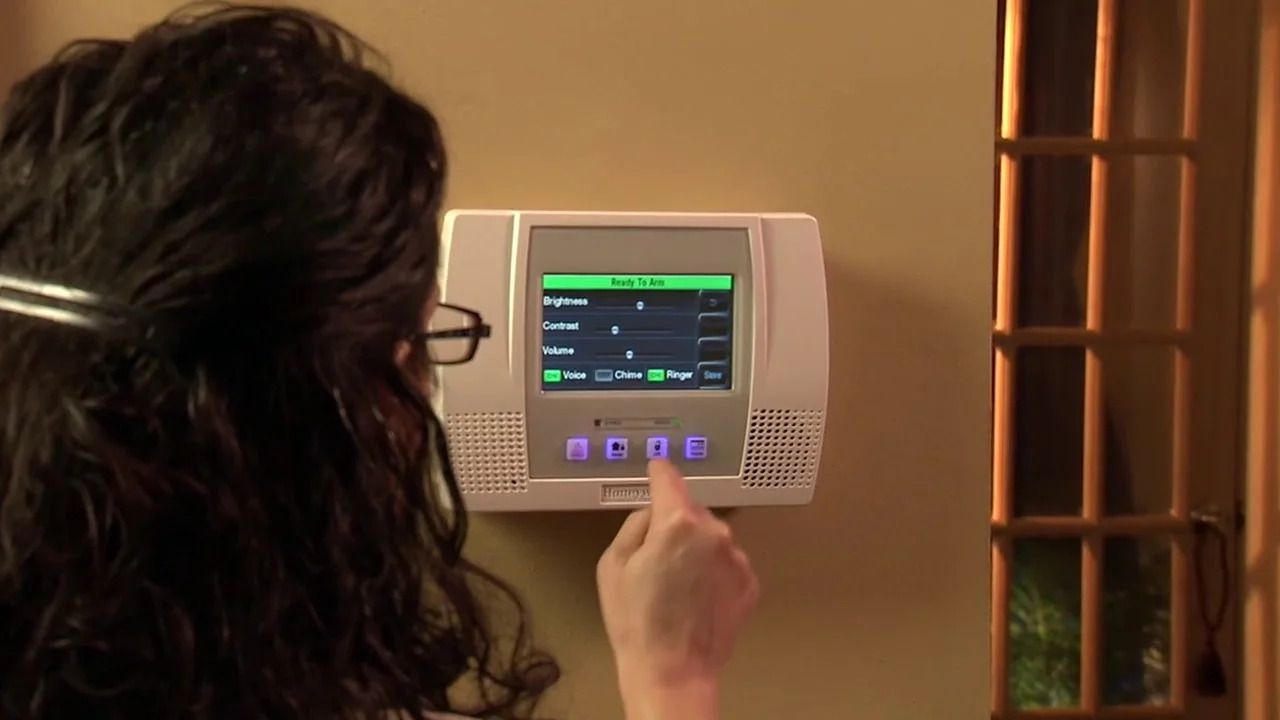
Home security systems play a considerable role in protecting property, preventing loss, and giving homeowners peace of mind.
However, when your panel begins displaying error messages or beeping unexpectedly, the experience can become stressful very quickly.
Learning to interpret Honeywell alarm codes can turn confusion into confidence and ensure your system is working as it should.
This is where understanding Honeywell panel programming codes becomes especially valuable, as they help you understand why your system is responding the way it is and what steps you may need to take next.
Why Alarm Codes Matter More Than Most People Realize
Many homeowners assume that once a system is installed, it will run silently in the background and never need attention.
In reality, security panels are designed to communicate constantly, especially when something is not working as expected.
Codes exist to alert you before a minor issue turns into a serious vulnerability.
Honeywell systems use specific numerical codes to indicate low battery levels, communication errors, sensor faults, or wiring issues.
When you know what those alerts represent, you are more prepared to take action quickly.
Instead of ignoring the beeping or disabling your system entirely, you can respond accurately and keep your home adequately protected.
Another advantage of understanding alarm codes is preventing unnecessary service calls.
Many code-related issues are simple fixes that homeowners can safely handle themselves.
Knowing the difference between a minor alert and a security risk saves time, money, and frustration.
Common Honeywell Alarm Codes and What They Typically Mean
One of the most common alerts homeowners encounter is a low battery warning.
This may apply to the main control panel or to an individual sensor somewhere in the house.
When this type of code appears, it usually means that performance may soon drop, but it does not indicate immediate danger. Replacing the battery often resolves the issue quickly.
Another common category involves zone faults.
A zone fault code usually indicates that a door, window, or motion sensor has been tampered with, misaligned, or disconnected.
These codes are essential because a compromised sensor can reduce the effectiveness of the entire system.
Checking the affected zone and ensuring it is secure usually resolves the alert.
Communication trouble codes can also appear when the system cannot properly connect with the monitoring service.
This may occur due to a network problem, wiring interference, or a temporary outage.
While communication errors should never be ignored, they can often be corrected once the underlying cause is identified, restoring complete monitoring protection.
How Homeowners Can Respond Safely to Alarm Codes
The first step when an alarm code appears is always to remain calm.
The system is not telling you that something catastrophic has already happened.
Instead, it is notifying you that attention is needed before a situation worsens. Note the code displayed and consult a reliable reference guide to understand its meaning.
Once the code has been identified, decide whether you can address it on your own.
Replacing batteries, ensuring doors and windows are properly closed, or restoring power are often manageable tasks.
However, issues involving wiring, repeated false faults, or persistent communication problems may require professional help.
Documenting recurring codes is also helpful.
If you notice the same message appearing repeatedly, it can indicate a deeper issue within the system.
Sharing this information with a technician can speed up troubleshooting and prevent long-term security gaps.
Taking a proactive approach keeps your Honeywell alarm functioning at its highest level.
Tips for Staying Ahead of Alarm Issues Before They Happen
Routine system maintenance plays a vital role in reducing the frequency of alarm codes.
Periodic testing of your system ensures that every sensor communicates properly and alerts you to problems early.
Performing scheduled maintenance helps extend the life of both the control panel and its components.
Understanding where each zone is located gives you more control over your system.
When a zone code appears, knowing the exact location helps you respond right away rather than guess.
Taking time to label or document zones makes future troubleshooting far easier.
Finally, staying familiar with your security system manual and trusted online resources keeps you informed and prepared.
The more comfortable you are with your system, the less intimidating alarm codes will feel. Knowledge is ultimately the most powerful security upgrade a homeowner can have.
Conclusion
Honeywell alarm codes may seem overwhelming at first, but they are actually designed to empower homeowners, not frustrate them.
Learning how to read and interpret these messages ensures that you always know what your system is trying to communicate.
Instead of feeling uncertain when a code appears, you gain the confidence to act quickly, prevent issues, and maintain strong protection for your home.
With the right information and a bit of familiarity,
Honeywell alarms become not only easier to manage, but far more effective at keeping your property safe.