
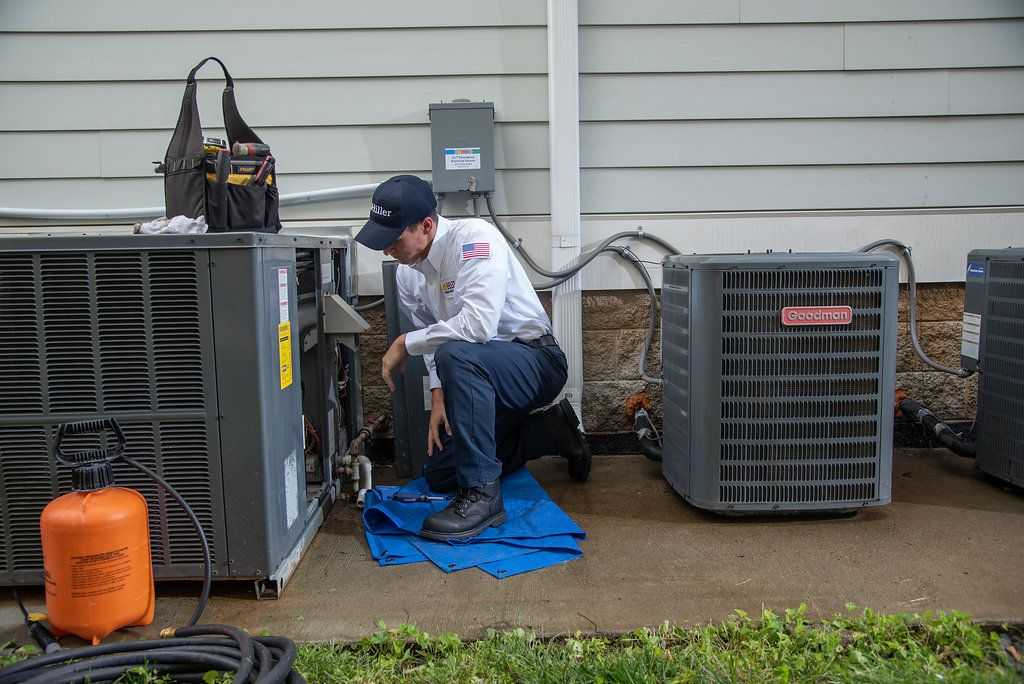
I’ve been writing about homes for over 15 years, and if there’s one thing that confuses homeowners more than anything else, it’s their HVAC system.
People call me all the time asking about weird noises, high energy bills, or why one room is freezing while another feels like a sauna.
Here’s the thing.
Your HVAC system is probably the most expensive thing in your house after the structure itself. But most people know more about their smartphone than they do about the equipment keeping them comfortable.
So I’m going to walk you through everything you actually need to know.
Not the super technical stuff that only matters to technicians, just the real-world basics that’ll save you money and headaches.
Understanding the Core Components of an HVAC System
Every HVAC system has three main parts, no matter what type you have.
First, there’s the heating component.
Could be a furnace, could be a heat pump, could even be a boiler. Its job is simple: make things warm when it’s cold outside.
Second, you’ve got cooling. That’s usually an air conditioner or a heat pump that works both ways.
Third is the ventilation part, which nobody thinks about until something goes wrong.
This includes all your ductwork, vents, and the blower that actually moves air around your house.
Some systems have all three built into one unit.
Others split them up. I’ve seen houses where the heating is in the basement, cooling is outside, and the air handler is in the attic.
Makes servicing them kind of annoying, but it works.
The thermostat controls everything. It’s basically the brain telling all these components when to turn on and off.
How HVAC Systems Work Together
This part trips people up because they think of heating and cooling as separate things.
They’re not.
Most modern systems share the same ductwork and blower.
When you switch from heat to cool on your thermostat, you’re just changing which component kicks on.
The air still travels through the same pathways.
Here’s what happens on a typical summer day.
Your thermostat senses the temperature rising above what you set.
It tells the air conditioner outside to start running. The indoor evaporator coil gets cold.
The blower pushes warm air from your house over that cold coil.
The air cools down, travels through your ducts, and comes out your vents.
Winter works the opposite way if you have a furnace. The thermostat calls for heat.
The furnace fires up and warms a heat exchanger.
The same blower that worked in summer now pushes air over that hot exchanger, and warm air flows through your vents.
The key is that these components don’t fight each other.
They take turns doing their job. That’s why you can’t run heat and cool at the same time, even though I’ve had people ask me why not.
Types of HVAC Systems for Homes
There are way more types than most people realize.
The most common is a split system.
That’s an outdoor air conditioning unit paired with an indoor furnace. You see these in probably 60% of homes.
The AC handles cooling, the furnace handles heating, and they share the ductwork.
Heat pumps are getting popular, especially in milder climates.
These can heat and cool using the same equipment.
They move heat around instead of creating it, which makes them pretty efficient. But they struggle when temperatures drop below 20 degrees or so.
Then you’ve got packaged units where everything sits in one big box, usually on the roof or beside the house.
Apartments and commercial buildings use these a lot.
Ductless mini-splits are showing up more in older homes that never had ductwork.
These mount on your wall and don’t require tearing up the house to install ducts.
You just run some refrigerant lines and you’re done.
Boilers are different animals. They heat water and send it through pipes to radiators.
No ductwork, no blower, just quiet heat. They’re all over the Northeast but rare in newer construction.
I’ve also seen geothermal systems in high-end homes.
These use the ground temperature to heat and cool. Super efficient but crazy expensive to install.
Homeowners often rely on licensed professionals for major HVAC work, and learning the basics can also help you better understand the level of training involved, such as what is covered in an online Virginia HVAC exam prep course for technicians preparing for state licensing.
Energy Efficiency and HVAC Ratings
Every HVAC system has ratings that tell you how efficient it is. But the numbers are confusing if you don’t know what they mean.
For air conditioners, you’ve got SEER. That’s Seasonal Energy Efficiency Ratio.
Higher is better. Old units might be SEER 8 or 10.
New ones have to be at least SEER 14 in most places. Really good ones hit SEER 20 or higher.
Furnaces use AFUE, which stands for Annual Fuel Utilization Efficiency. It’s a percentage.
A 95 AFUE furnace turns 95% of its fuel into heat. The other 5% goes up the chimney.
Anything above 90 is considered high efficiency.
Heat pumps have HSPF for heating and SEER for cooling. Again, higher numbers mean better efficiency.
Here’s what this means for your wallet.
A SEER 16 unit uses about 30% less electricity than a SEER 10. If your cooling costs are $150 a month, that’s $45 in savings. Over a summer, that adds up fast.
But don’t get obsessed with buying the highest-rated system.
Sometimes a mid-range unit makes more sense depending on your climate and how long you plan to stay in the house.
Importance of Proper HVAC Installation
I cannot stress this enough. Installation matters more than the brand name on the equipment.
You can buy the best HVAC system money can buy, but if the installer doesn’t size it correctly or messes up the ductwork, you’re going to have problems.
I’ve seen $15,000 systems that don’t work right because someone cut corners during installation. Wrong refrigerant charge.
Ducts that leak air into the attic.
Return vents that are too small. Units that are oversized because the installer didn’t do a proper load calculation.
A proper installation includes several things most homeowners never see.
The contractor should do a Manual J calculation to figure out exactly how much heating and cooling your house needs.
They should seal all the ductwork. They should test airflow and refrigerant levels.
They should make sure the condensate drain works correctly.
Good installers take their time. They don’t rush through a job in four hours.
If someone quotes you way less than everyone else, there’s probably a reason.
Routine HVAC Maintenance Basics
Most people ignore their HVAC system until it breaks. That’s like never changing your car’s oil and wondering why the engine seized up.
Basic maintenance is pretty simple.
Change your air filter every one to three months depending on the type. This is the single most important thing you can do.
A dirty filter makes your system work harder, wastes energy, and can cause breakdowns.
Have a professional service your system twice a year. Once before cooling season, once before heating season.
They’ll clean coils, check refrigerant levels, test electrical connections, and catch small problems before they become big ones.
Clean the area around your outdoor unit.
Keep plants trimmed back at least two feet.
Hose off the coils once a year if they look dirty. Make sure nothing’s blocking your indoor vents.
Check your thermostat batteries if it uses them. Listen for weird noises.
Pay attention to your energy bills. A sudden spike usually means something’s wrong.
Some people skip maintenance because it costs $150 or so per visit. But that’s nothing compared to replacing a compressor because dirty coils made it overheat.
Common HVAC Problems and Troubleshooting Tips
Here are the issues I hear about most.
System won’t turn on. Check your thermostat first. Is it set to cool or heat? Is the temperature set right? Is the screen blank? Try replacing batteries.
Check your circuit breaker. I’ve driven out to houses where the breaker was just tripped.
Not cooling or heating enough. Usually a dirty filter. Sometimes low refrigerant.
Could be a failing compressor or a bad blower motor. This one needs a professional unless you’re just dealing with a clogged filter.
Strange noises. Squealing usually means a belt issue or bad bearings.
Banging could be loose ductwork. Hissing might be a refrigerant leak. Clicking is often a failing relay or contactor.
Water leaking. Your condensate drain line is probably clogged.
This happens all the time. Sometimes you can clear it yourself with a wet/dry vacuum. Sometimes you need someone to blow it out properly.
Uneven temperatures. Could be duct leaks, could be a zoning issue, could be insulation problems.
Sometimes it’s just how your house is laid out and there’s not much you can do about it.
Short cycling. That’s when the system turns on and off rapidly. Usually means it’s oversized or there’s a sensor problem.
Some of these you can fix yourself. Most need a professional.
Don’t mess with refrigerant or electrical components if you don’t know what you’re doing.
Indoor Air Quality and Ventilation
This is something people started caring about a lot more in the last few years.
Your HVAC system does more than control temperature. It affects the air you breathe all day and night.
Most systems recirculate the same indoor air over and over.
That’s fine if your house is clean and doesn’t have moisture problems. But if you have pets, allergies, or someone who smokes, that air can get pretty nasty.
Better filters help. Standard fiberglass filters are garbage.
They catch big stuff but nothing else. Pleated filters catch more particles. HEPA filters catch almost everything but they restrict airflow.
Some people add air purifiers or UV lights to their systems.
These kill bacteria and mold. They work, but they’re not necessary for most homes.
Humidity matters too. Too much causes mold and makes summer feel hotter.
Too little dries out your skin and makes winter feel colder.
Whole-house humidifiers and dehumidifiers can help, but they’re another thing to maintain.
Ventilation is the part nobody thinks about. Your house needs fresh air coming in somehow.
Really tight modern homes can trap stale air inside.
Some systems have fresh air intakes built in. Others rely on you opening windows occasionally.
Smart HVAC Technology and Modern Upgrades
Smart thermostats are probably the best upgrade you can make.
These things learn your schedule, adjust temperatures automatically, and let you control everything from your phone.
Nest and Ecobee are the big names. They cost $200-300 but usually pay for themselves in energy savings within a couple years.
You can see exactly when your system runs and how much energy it uses.
You can set different temperatures for different times of day.
Some even detect when you’re away and adjust automatically.
Zoning systems are another option if you have a bigger house.
These use dampers in your ductwork to send more air to some rooms and less to others.
You can keep bedrooms cooler at night and the living room warmer during the day.
Variable-speed equipment is becoming standard on higher-end systems.
Instead of just on or off, these can run at different speeds. That means better temperature control, less noise, and lower energy bills.
Some new systems connect to apps that remind you to change filters or schedule maintenance.
They can even diagnose problems and alert your contractor before you notice anything wrong.
I’m not saying you need all this stuff. But if you’re replacing an old system anyway, some of these features are worth considering.
When to Repair vs. Replace Your HVAC System
This is the question everyone asks when something breaks.
If your system is less than 10 years old and the repair costs less than half of a new system, fix it. That’s the general rule.
But there are exceptions.
If your system is 15 years old and needs a $1,500 repair, you’re probably better off replacing it.
You’ll get better efficiency, and you won’t be throwing money at an old system that’ll need another repair next year.
If your energy bills keep climbing even though you’re not using the system more, that’s a sign it’s losing efficiency.
Sometimes replacement makes sense just to stop bleeding money every month.
Multiple repairs in a short time period mean the system is on its way out.
If you’ve called for service three times in one year, start shopping for a replacement.
Refrigerant type matters too. Older systems use R-22, which is being phased out.
If you need to add refrigerant to an R-22 system, it’s going to cost a fortune. Might as well replace it with something that uses modern refrigerant.
Listen to your contractor, but get multiple opinions.
Some people will push replacement when repair makes sense. Others will keep fixing a system that should’ve been replaced years ago.
Conclusion
Your HVAC system isn’t as complicated as it seems.
You don’t need to know how to fix everything yourself. But understanding the basics helps you make better decisions, spot problems early, and not get taken advantage of by shady contractors.
Change your filters. Schedule regular maintenance.
Pay attention when something doesn’t sound or feel right. And when the time comes to replace something, do your homework and find a good installer.
The money you spend on HVAC is an investment in comfort.
You spend more time in your house than anywhere else. Might as well be comfortable while you’re there.