
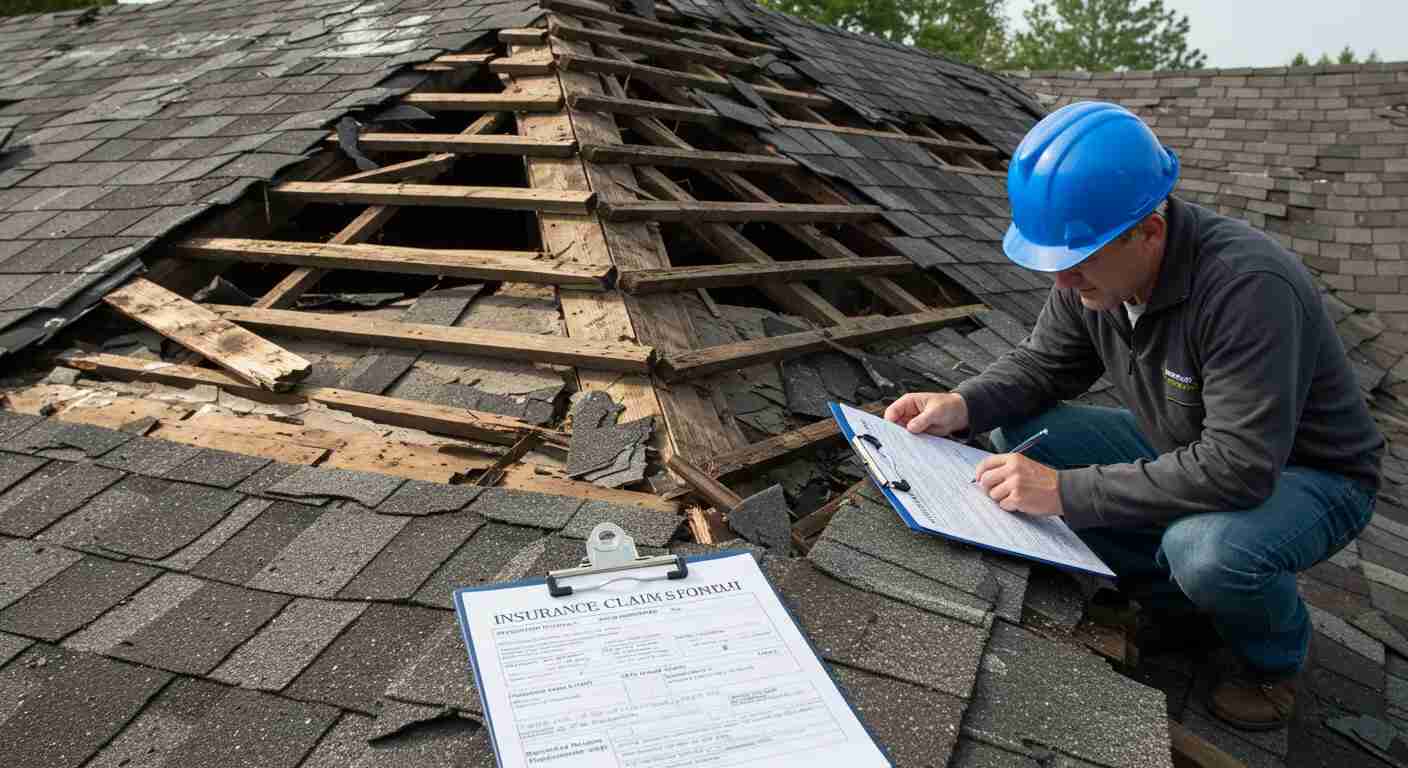
Are you dealing with a leaking roof in your strata property and wondering who’s actually responsible for fixing it? Are you confused about whether your strata insurance covers roof repairs or if you need to file a claim yourself? Figuring out insurance and liability in strata roof repairs can feel like reading a legal document in another language.
This guide is going to break down everything you need to know about who pays for what, who’s responsible, and how to handle insurance claims when your strata roof needs work.
How To Understand Insurance And Liability In Strata Roof Repair
Strata roof repairs sit in this weird gray area that trips up property owners and committees all the time.
The roof is common property, sure. But what happens when the leak damages your lot? What if the damage happened because someone didn’t maintain it properly?
Here’s the thing—strata insurance works differently than regular home insurance, and roof repairs can involve both.
Sometimes it’s the owners corporation’s problem. Sometimes it’s yours. And sometimes? It’s both, and that’s where things get messy.
Understanding Strata Insurance Basics
Okay, let’s start with what strata insurance actually covers.
Most strata schemes carry building insurance that covers the common property.
This includes the roof structure itself—the tiles, the membrane, the framework.
Think of it as insurance for everything that’s not inside your individual unit.
But here’s where it gets tricky. Strata insurance typically covers sudden, accidental damage.
A tree branch crashes through during a storm? Covered. Gradual wear and tear from years of not maintaining the roof properly? Probably not covered.
There are usually two types of insurance at play:
- The owners corporation’s building insurance
- Your individual lot owner’s insurance
The building insurance should cover the roof itself and common areas.
Your insurance covers your contents and any improvements you’ve made to your lot. But what about when roof damage causes water to destroy your ceiling and furniture?
That’s the overlap zone where you need to understand both policies.
Your lot insurance might cover internal damage while the owners corporation fixes the roof itself.
Sometimes you’ll need to claim on your own policy first, then the owners corporation seeks reimbursement if the damage originated from common property.
Most strata insurance policies also include public liability coverage.
This protects the owners corporation if someone gets injured because of roof damage—like if a tile falls and hits someone.
Roles and Responsibilities in Roof Repairs
So who actually has to fix the roof?
The owners corporation is generally responsible for maintaining and repairing common property, and the roof falls into that category.
They’re supposed to keep it in good condition, arrange inspections, and organize repairs when needed.
But individual lot owners aren’t off the hook completely.
If you’ve modified something that connects to or affects the roof—like installing a skylight or solar panels—you might be responsible for issues that arise from those modifications.
The strata committee acts as the decision-making body.
They assess the damage, get quotes from contractors, and decide how to proceed with repairs.
In larger repairs, they might need to call a general meeting to get owner approval, especially if the cost exceeds their spending authority.
Property managers often coordinate the day-to-day stuff.
They’ll arrange inspections, get contractors out to assess damage, and handle the initial communication with insurers.
Here’s what gets overlooked—lot owners have a responsibility to report roof issues quickly.
If you notice a leak and don’t tell anyone, and it gets worse, that delay could complicate insurance claims later.
Determining Liability for Roof Damage
This is where arguments start.
If the damage comes from an insured event—storm, fire, something sudden and accidental—the owners corporation’s insurance should cover it. Pretty straightforward.
However, if the damage arises from negligence or failure to maintain the roof, the owners corporation or specific lot owners may be held responsible.
Let’s say the strata committee ignored recommendations to replace aging roof tiles.
Water gets in during normal rain, not even a storm. That’s likely a maintenance failure, not an insured event.
The owners corporation might have to pay for repairs out of the general fund, which means a special levy on all owners.
Or imagine a lot owner installed a satellite dish without proper approval and it created a weak point where water enters. That owner could be personally liable for the damage and repairs.
There’s also the question of damage to individual lots.
If the roof leak destroys your carpet and furniture, you’ll probably claim on your contents insurance first. But if the leak happened because the owners corporation failed to maintain the roof, they might be liable to reimburse you for your excess and any uninsured losses.
Proving liability often requires evidence.
Maintenance records matter here. If the owners corporation can show they’ve been regularly inspecting and maintaining the roof, they’re in a stronger position.
If there’s no record of inspections for five years? That looks like negligence.
Insurance Claims for Roof Repairs
Alright, the roof is damaged. What now?
First step is documenting everything.
Take photos of the damage, both to the roof and any affected areas inside lots.
Note the date, time, and what caused it if you know. If it was a storm, that weather report becomes important evidence.
Next, notify your strata manager or committee immediately. They need to assess whether this is an insurance claim or a maintenance issue.
Don’t wait on this—most insurance policies have strict timeframes for reporting damage.
The owners corporation should contact their insurance broker or insurer to lodge a claim. The insurer will send an assessor to inspect the damage and determine if it’s covered under the policy. This can take a few days to a few weeks depending on the insurer and how busy they are.
Here’s something that frustrates people—the insurer might approve only temporary repairs initially.
They’ll want to stop further damage, but they might not approve the full replacement until they’ve completed their assessment. This is normal, even if it’s annoying.
Photographs, contractor reports, and maintenance records strengthen the claim and provide evidence of proper management.
If your individual lot suffered damage, you might need to claim on your own insurance too.
Your insurer and the strata insurer might need to communicate about who covers what. Keep records of all your communications and expenses.
Watch out for the excess. Strata insurance policies usually have an excess that needs to be paid before the insurance kicks in.
This comes out of the owners corporation funds, which might mean a small levy if there’s not enough in the administrative or sinking fund.
Sometimes claims get denied. Maybe the insurer says it’s wear and tear, not sudden damage. Maybe they find evidence of poor maintenance.
If this happens, the owners corporation can dispute it, but you’ll probably need professional advice at that point.
Common Disputes in Strata Roof Repairs
Let’s be honest, roof repairs cause fights in strata schemes.
The most common dispute? Who pays. Owners argue the insurance should cover it. The committee says it’s maintenance and needs to come from the sinking fund. Everyone’s looking at a special levy and nobody’s happy.
Another frequent argument involves the scope of repairs.
The insurance might cover patching the damaged section. But the roofer says the whole roof is near the end of its life and should be replaced.
The committee wants to do the full replacement. Some owners say just fix what’s broken. This can drag on for months while the temporary fix slowly fails.
There are also disputes between lot owners and the owners corporation about who caused the damage.
The owners corporation says a lot owner’s modification caused the leak.
The owner says the roof was already failing. Without clear evidence, these can end up in tribunal hearings.
Cost blowouts create tension too. The committee approves repairs based on one quote, but unexpected issues emerge once work starts.
Suddenly the $10,000 repair is $25,000. Getting additional owner approval takes time, the contractor’s standing around, and everyone’s stressed.
Delays in making decisions cause their own problems.
The committee can’t agree on which contractor to use.
Meanwhile the leak gets worse. More damage occurs. Then there’s finger-pointing about who’s responsible for the additional damage.
Quality disputes come up after the work is done.
Owners aren’t satisfied with the repairs. Maybe it still leaks, or the new tiles don’t match, or the workmanship looks poor.
The committee says that’s what the insurance paid for. Owners want it redone.
Preventive Measures to Reduce Liability
The best way to avoid insurance and liability headaches? Don’t let the roof get to crisis point.
Regular inspections are your friend. Get the roof professionally inspected every couple of years, more often if it’s older or you’re in a harsh climate.
These inspections should be documented with photos and written reports.
File them carefully because you’ll want them if you ever need to make a claim or defend against liability.
Maintenance schedules help too. Don’t wait for things to break.
If the inspection report says those tiles have three years left, start planning the replacement in two years. Budget for it in the sinking fund. Get quotes. Be ready.
Clear records of all maintenance work protect the owners corporation.
Keep invoices, photos, contractor licenses, warranties.
If someone claims the damage happened because of poor maintenance, you can show exactly what was done and when.
Communication matters more than people think.
If owners know the committee is actively managing the roof, they’re less likely to assume negligence when something goes wrong.
Regular reports about building maintenance, including the roof, build trust.
Review your insurance policy annually.
Make sure the coverage is adequate for the current replacement value of the building.
Check that the excess isn’t so high that it defeats the purpose of having insurance. Understand what’s excluded.
Approval processes for lot owner modifications should specifically address anything that might affect the roof.
Require professional installation, waterproofing certificates, and documentation. This protects both the owner and the corporation.
Building a healthy sinking fund reduces reliance on insurance.
Not everything is insurable. Wear and tear, gradual deterioration, poor original construction—these often aren’t covered.
Having money set aside means you can address problems without financial crisis.
Legal and Regulatory Considerations
Strata laws vary depending on where you are, but there are common threads.
The owners corporation has a legal duty to maintain and repair common property.
This isn’t optional. If they fail to do it, individual owners can take legal action to force repairs.
In serious cases, owners can apply to a tribunal for orders compelling the owners corporation to act.
Strata legislation usually requires the owners corporation to insure the building for full replacement value.
Underinsuring is a breach of this duty and can leave everyone exposed if there’s major damage.
There are also timeframes and procedures for spending money.
Small repairs might be within the committee’s authority.
Larger expenses might require a general meeting resolution. Emergency repairs usually have special provisions allowing the committee to act immediately.
If disputes arise, most jurisdictions have a tribunal or mediation process specifically for strata issues.
These are generally faster and cheaper than going to court. But they still require evidence, documentation, and often professional representation.
Owners corporations can be sued for negligence.
If someone is injured because of a roof defect the committee knew about but didn’t fix, that’s potential liability.
Public liability insurance covers this to a point, but there are limits and exclusions.
There are also consumer protection laws around contractors.
Make sure any roofer working on strata property is properly licensed, insured, and provides warranties for their work. Keep copies of their insurance certificates and licenses.
Tips for Property Owners and Committees
Here’s what actually helps when dealing with strata roof insurance and liability issues.
For committee members—document everything.
Every decision, every inspection, every quote, every discussion about the roof.
If something goes wrong, this documentation protects you from personal liability claims.
Get multiple quotes for significant work. This shows you’re spending owners’ money responsibly and helps you spot if one contractor is way off base.
Don’t delay on obvious problems. That small leak won’t fix itself. It’ll get bigger, cause more damage, and create liability issues.
Act quickly on maintenance concerns.
For lot owners—read your strata insurance policy.
You’re entitled to see it. Understand what’s covered and what’s not. This helps you decide what coverage you need in your own lot insurance.
Attend meetings when roof repairs are being discussed. Ask questions. Make sure you understand what’s being proposed and why.
If you’re on the committee, consider getting professional advice early when issues arise.
A building consultant can assess damage and advise on causes.
This helps with insurance claims and liability questions. Yes, it costs money, but it’s usually cheaper than getting it wrong.
Keep your own records too. If roof damage affects your lot, photograph everything.
Keep records of your communications with the strata manager and committee. Document any expenses you incur. This protects your interests if disputes arise.
Build relationships with your strata neighbors.
When everyone’s communicating and working together, insurance and liability issues get resolved faster with less conflict.
Conclusion
Understanding insurance and liability in strata roof repairs isn’t simple, but it’s not impossible either.
The owners corporation generally handles roof repairs as common property maintenance. Insurance covers sudden, accidental damage.
Maintenance failures and gradual deterioration usually don’t get covered.
The key is knowing who’s responsible for what, acting quickly when problems arise, keeping detailed records, and maintaining the roof before it becomes a crisis.
When disputes happen, having documentation and understanding your insurance coverage puts you in a stronger position.
If you’re dealing with a roof issue right now, start with proper documentation and quick communication with your strata committee or manager.
The faster you act, the better your options for managing both the repairs and any insurance claims.