
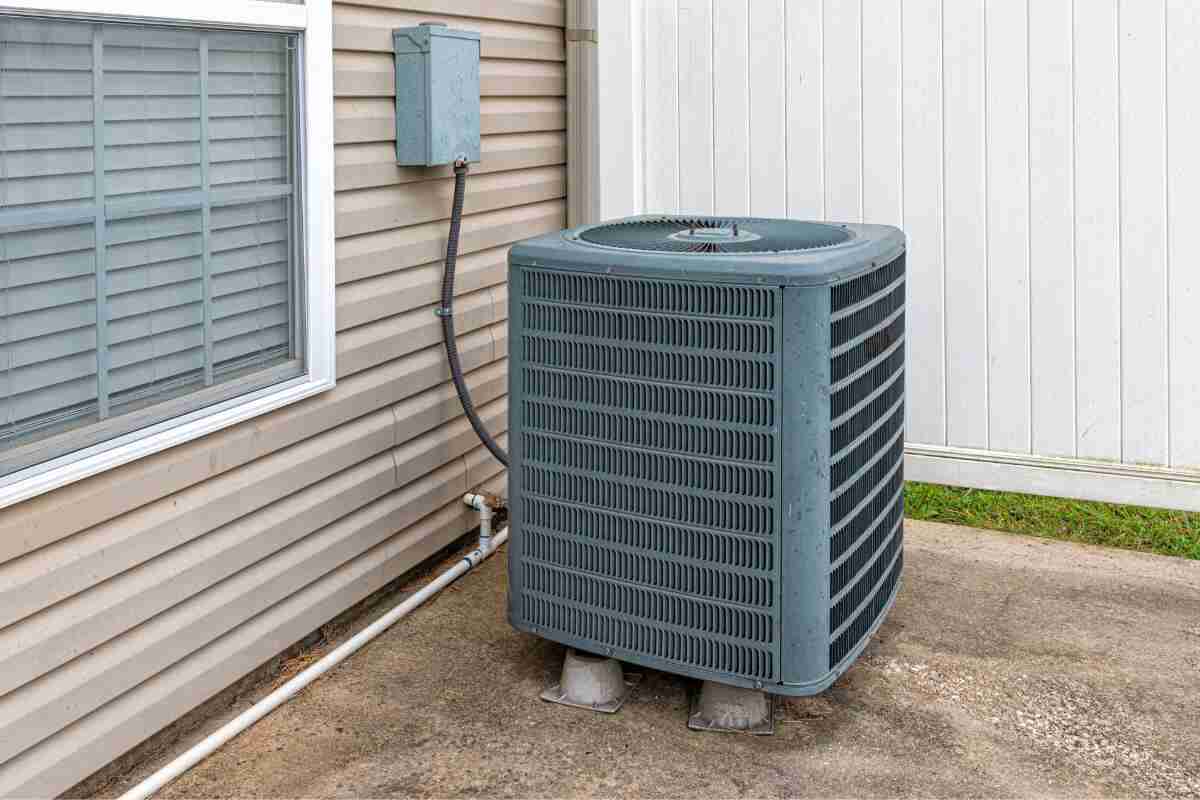
Do you want your central air working efficiently?
For most homeowners, central air doesn’t cross their mind until it starts making funny noises or stops working altogether.
By the time you notice there’s a problem, it’s already too late.
The damage has been done. You’re stuck with a hefty repair bill. And your house still feels like a sauna.
The best part?
Central air maintenance doesn’t take much effort. It isn’t going to break the bank.
In fact, it can end up saving you hundreds (if not thousands) of dollars over the years.
All you have to do is follow this guide…
Why Central Air Maintenance Actually Matters
Your central air conditioning system isn’t just one of the most important appliances in your home.
It’s also one of the most overlooked.
Sure it keeps you cool on hot days, but did you know that proper maintenance will keep it running efficiently for years to come?
Here’s the deal…
A central air unit consists of many small pieces that have to work together in order for the whole system to operate correctly.
Coolant compressors, evaporator coils, fans, air filters and ductwork can ALL develop problems.
When one piece goes, your air conditioning system feels it.
And that’s why maintenance is so important.
Regular tune-ups and replacement of worn components keeps your entire system functioning at its best.
Preventing minor issues from turning into expensive repairs.
But maintenance does more than just prevent expensive breakdowns. Cleaning and replacing central air parts also improves your indoor air quality.
Dust, allergens and air pollutants tend to build up in dirty filters and air ducts. Neglecting these parts then forces them back into your living space.
Not great.
Knowing Your Ductwork
The ducts throughout your home are something that every homeowner needs to be aware of.
Even though they’re hidden behind walls and under floors, your ductwork plays a huge role in central air efficiency.
Air ducts are responsible for distributing cooled air from your central air system to every nook and cranny of your home.
If these ducts aren’t installed correctly, have holes or are simply blocked by debris… your system will start to struggle.
Do you know what happens then?
It tries to work even harder to produce the same amount of cool air. Essentially wasting energy and driving up your monthly utility bills.
The easiest way to prevent duct problems is to hire an HVAC technician who has been trained in proper duct installation.
Technicians who have trained at a reputable duct fabrication school understand how to measure, cut, shape and seal ductwork.
By getting the right HVAC training, you can trust that the tech working on your system knows how to design and install efficient ductwork.
Without proper training?
Leaky ducts = higher energy bills. Period.
Maintenance Tasks You Can DIY
You don’t need to be an HVAC tech to keep your system running efficiently.
There are plenty of steps every homeowner can take to ensure their system is maintained year-round.
Let’s start with the air filter. Changing your home’s air filter is one of the easiest and most effective ways to keep your system running smoothly.
Not only does a dirty air filter hinder airflow, but it also makes your system work harder than it needs to.
Check and replace your filter monthly or every three months at minimum.
Here are a few other DIY maintenance tips:
- Clear all debris around the outside unit. Leaves, grass clippings and dirt can all block air flow.
- Check thermostat settings. Ensure it’s set to the proper temperature and on the correct schedule.
- Inspect visible ductwork for gaps or damages.
- Make sure all vents are unblocked by furniture, curtains or rugs.
Taking care of these few things won’t take long, but can save you from big headaches later.
When To Call A Professional
While there are maintenance tasks you can do yourself, annual checkups from a professional are always recommended.
A good HVAC tech should be able to inspect your entire system and catch small issues before they turn into big problems.
Your air conditioning system should always be inspected and tuned up by a professional before the warmer seasons hit.
Ideally you want your system inspected every spring before you start using it regularly.
Professional inspections should include:
- Refrigerant level checks
- Cleaning evaporator and condenser coils
- Electrical connection inspection
- Testing system controls and safety devices
- Checking ducts for any damages or leaks
Your HVAC technician can spot just about any issue during a professional inspection.
Most of these issues go unnoticed to the untrained homeowner.
And while central air systems can last upwards of 15-20 years, that number goes way down if you don’t schedule annual maintenance.
Avoiding yearly maintenance is the number one way to decrease your system’s lifespan.
How Lack Of Maintenance Increases Energy Bills
Okay, now for the money stuff.
Did you know heating and cooling accounts for close to 50% of energy costs for the average household? That’s right.
Your central air system plays a huge role in your monthly energy bills.
But when a system isn’t running properly (thanks to lack of maintenance) those energy bills skyrocket.
Dirty evaporator coils, clogged air filters and leaky ducts force your system to work harder. When your system has to work harder, it consumes more energy.
Not only that…
According to data from the DOE, improper installation and poor maintenance can account for a 30% increase in energy use.
If your system is costing you $950 a year to run, poor maintenance can raise that number to $1,200+. Over 15 years that equals nearly $2,000 in wasted money.
Don’t be that person.
Air conditioner maintenance and upgrades can lower energy consumption by 20-50%.
Your energy savings can start the day you begin taking care of your central air.
Bringing It All Together
Your HVAC system is not going to maintain itself.
As a homeowner, it’s your job to make sure you’re doing what you can to keep your home comfortable.
Here’s your quick maintenance checklist.
- Replace air filters regularly to improve airflow and decrease energy costs.
- Keep the area around the outside unit clear of debris.
- Schedule annual inspections with a licensed HVAC technician.
- Stay aware of your ductwork. If air ducts are damaged or installed improperly, they could be wasting your energy.
- Keep an eye on rising energy bills. If your bills start costing you more and more money each month, your system is begging for help.
If you take proper care of your central air system, it will take care of you. Systems that receive regular maintenance tend to last longer while costing less money to run.
Don’t let high energy bills and expensive replacements be the result of negligence.
Take care of your system and it’ll return the favor.