
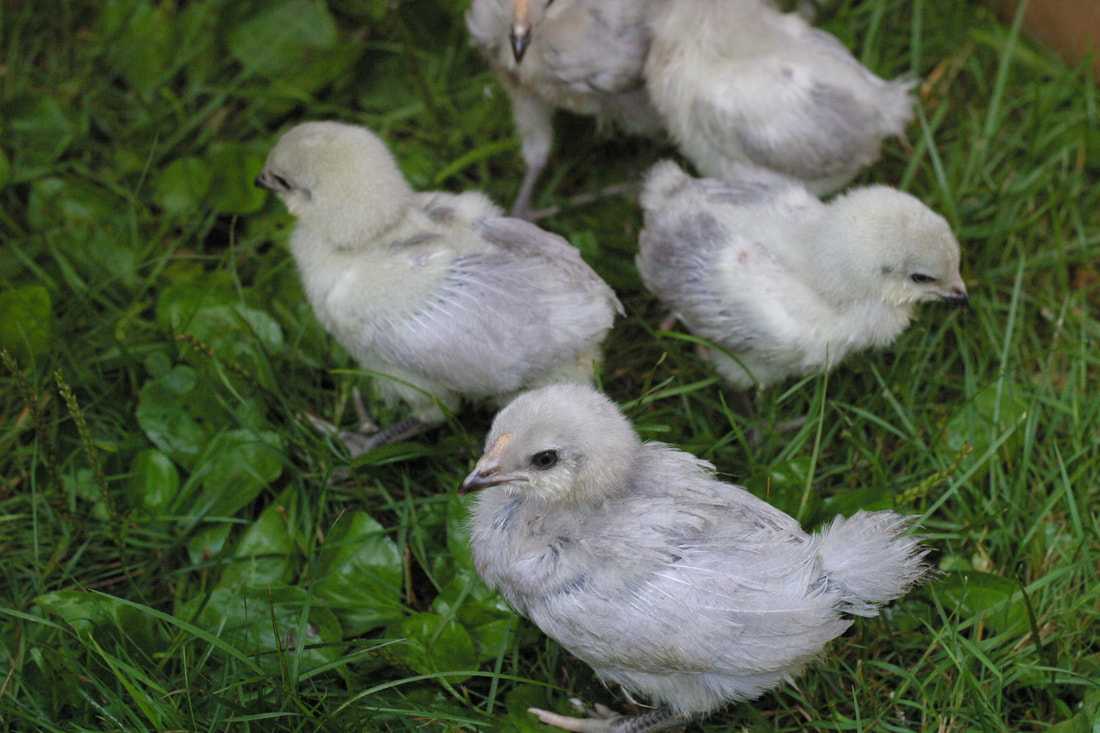
Choosing young birds for your flock is a big step for any keeper.
The right start shapes how strong and calm your flock becomes later.
Every chick grows into a bird that brings new habits and new energy into your yard.
A smart choice now prevents stress and health issues down the road.
New keepers sometimes rush and regret fast decisions.
A little patience helps you understand what your flock needs. Good selection leads to healthier routines.
Many owners search for reliable breeders or farms that raise strong birds.
Some explore chicks for sale to find breeds that match their climate and goals.
The source matters just as much as the birds themselves.
A weak start creates ongoing problems with growth and behavior.
Healthy birds bring smoother development and a calmer flock.
You want young birds that look alert, active, and steady. A careful look at each detail makes the choice easier.
Check the Chick’s Body Condition and Activity Level
Healthy young birds show strength in small movements.
Their eyes should look bright without watery edges.
Chicks that sit too long or move slowly may have hidden issues.
Activity levels reveal how well the chick adapts to new surroundings.
Healthy breathing signals good lung development.
Strong legs support balanced walking.
Early signs of weakness often grow into bigger trouble.
A healthy chick reacts quickly to sound and touch.
Observe Feather Growth and Early Development
- Feathers should appear smooth and tight
- Bald spots can show stress or sickness
- Feather color should match the breed standard
- Wings should open without shaking
- Patchy fluff suggests poor care
- Healthy chicks preen themselves often
Feather checks reveal more than many new keepers expect.
Look at the Chick’s Eating Habits Before You Buy
A good eater grows into a strong adult bird. Watch how the young bird approaches the feed.
Healthy chicks peck fast and move confidently around the bowl.
Birds that ignore food may face early digestion issues.
A strong appetite supports faster development each week.
You want chicks that handle feed without choking.
Good eating habits reflect steady energy. Food interest shows how well the bird adapts to flock life.
Study the Bird’s Posture and Leg Strength
A chick’s legs tell a lot about future health. Weak legs lead to balance issues later.
Posture should feel upright instead of leaning or wobbling.
Birds with strong posture grow into more confident adults.
Legs must look straight with no twisting.
Toes must lie flat on the ground.
Poor leg health becomes a lifelong challenge. Balanced standing improves flock interactions.
Evaluate the Source and Breeding Conditions
- Check if the breeder keeps clean housing
- Ask about hatch dates and parent stock
- Look for clear feeding routines on-site
- Avoid farms that smell sharp or damp
- Pick sellers who handle birds with care
- Ask questions about early health practices
Good sources raise healthier birds with fewer problems later.
Check for Clear Eyes, Clean Feet, and Healthy Beaks
Eyes must shine without crust or discharge.
A healthy chick uses its eyes to watch movement closely.
Feet should look clean and well-shaped.
Avoid chicks with swollen toes or cracked skin.
Beaks must meet evenly at the tip. Misaligned beaks create feeding issues.
Clean features reflect good care in early weeks. Healthy faces show strong beginnings.
Many keepers browse chicks for sale but still judge quality by watching the birds’ posture, feather condition, eating habits, and early activity levels.
Understand the Breed’s Temperament and Growth Pattern
Some breeds grow fast, while others take longer to mature. Your choice depends on your flock goals. Calm breeds make great backyard layers.
Energetic breeds adapt well to larger yards.
Choose birds that match your climate and space.
Research helps avoid surprises later. A good temperament keeps the flock peaceful. A mismatched breed causes long-term stress for the keeper.
Review Health Records and Early Vaccinations
- Ask about early vaccinations
- Request proof of basic treatments
- Check if the flock has a past illness history
- Confirm chicks were kept warm during brooding
- Ask how long the chicks stayed with the mother
- Reliable sellers share honest records
Health transparency protects your flock and reduces risk.
Watch How Chicks Interact With Each Other
Bird behavior reveals flock readiness. Healthy chicks show curiosity and small bursts of energy. Birds that sit alone may feel weak.
Some chicks show early aggression, which may continue as they grow. A balanced group interacts without bullying.
Choose birds that explore instead of hiding.
Calm social behavior leads to a stable adult flock. Good behavior shapes smoother flock integration.
Buying young birds takes patience and a close eye for detail.
Healthy chicks show strength in posture, energy, and early habits.
Feather condition, leg structure, and active eating help predict long-term health. Reliable sellers provide clean environments and honest records.
A good start builds a stronger, calmer flock for years ahead.
When you choose wisely, your flock grows with fewer problems and more confidence.
Every healthy chick leads to a healthier future flock.