
You start noticing the cabinet doors don’t close the way they used to, and the countertop has that permanent stain that no cleaner seems to touch.
At first, it’s just irritation. Then it becomes a quiet calculation in your head about cost, timing, and whether you’re ready to live through construction.
A major home remodel usually begins long before any walls come down. It starts with daily frustration.
Most stress doesn’t come from the dust or noise.
It comes from unclear expectations.
People imagine the finished space but underestimate the steps between here and there.
Planning well doesn’t remove every surprise, but it changes how those surprises are handled.
Defining the Scope Before Anything Else
The first real step in a large remodel is deciding what problem you are solving.
That sounds simple, but it’s where many projects drift.
Are you trying to add space, improve function, increase resale value, or fix structural issues? Each goal leads to different decisions.
A kitchen update focused on aesthetics looks very different from one designed to improve workflow for a busy family.
Knocking down walls affects plumbing, wiring, and load-bearing structures. Even small layout changes can ripple through the entire plan.
When the scope is vague, budgets swell.
When it’s defined clearly, conversations become more productive.
Write down what must change and what would simply be nice to change. That separation keeps the project grounded.
Working With Remodeling Experts
Once the goals are clear, professional guidance becomes essential.
Large projects involve coordination between designers, carpenters, electricians, plumbers, and inspectors. Without central oversight, communication gaps appear quickly.
A full-service remodeling company will evaluate the home’s current structure before offering design suggestions.
Measurements are taken. Existing systems are reviewed. Permits may be discussed early, depending on the scale of work.
These early assessments prevent unrealistic expectations.
Working with professionals streamlines the property.
Instead of hiring separate contractors for each phase, design and construction are coordinated under one roof. That approach often reduces scheduling conflicts and keeps accountability clearer.
Budgeting With Honesty
Costs rarely stay exactly where they start. Materials fluctuate in price.
Hidden issues appear once demolition begins. That is not a sign of failure. It is part of the renovation.
A responsible plan includes a contingency buffer. Ten to twenty percent set aside for unexpected findings is common.
Older homes, especially, tend to reveal outdated wiring or simple plumbing once walls are opened.
It’s also important to distinguish between structural necessities and design upgrades.
Custom finishes add cost quickly. Deciding early where to invest and where to keep things simple protects the overall budget.
Payment schedules should be outlined in writing.
Clear milestones reduce tension later. Transparency on both sides builds trust.
The Design Phase Is Slower Than Expected
Homeowners often underestimate how long design decisions take.
Cabinet layouts, lighting plans, flooring choices, and paint colors; each decision influences another. Changing one element late in the process can delay ordering or installation.
Detailed drawings are created during this stage.
Permits may require submission of plans before approval.
In some municipalities, inspections are scheduled in advance, which affects timing.
It may feel like nothing is happening during design, but this phase prevents costly changes mid-construction.
Slowing down here speeds things up later.
Living Through Construction
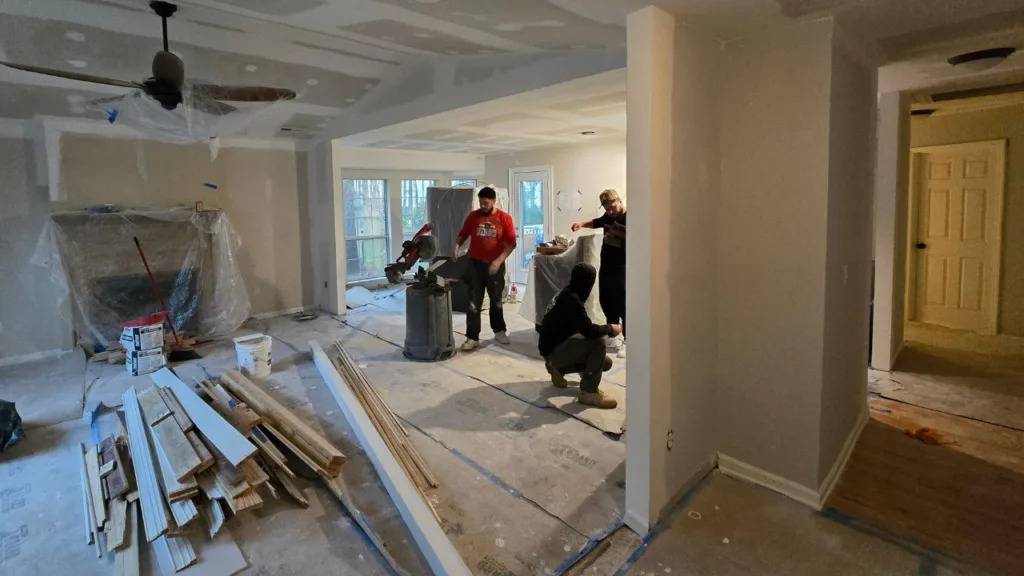
No one fully enjoys this part. Dust travels farther than expected. Noise starts early.
Access to parts of the home may be restricted for weeks. Setting up temporary solutions helps. A small cooking station in another room.
Clear storage bins labeled for quick access. Planning meals ahead reduces frustration when the kitchen is offline.
Communication with the project manager should remain steady during this phase.
Questions will arise. Minor adjustments may be needed.
Addressing them promptly keeps work moving. It’s also normal for emotions to fluctuate.
Excitement mixes with fatigue. That doesn’t mean something is wrong. It means the house is changing while you’re still living in it.
Inspections and Approvals
For major remodels involving structural or system changes, inspections are required.
Electrical, plumbing, and framing work is reviewed before walls are closed. These checkpoints ensure safety and code compliance.
If an inspection fails, corrections are made before moving forward.
While delays are frustrating, they protect the integrity of the home long term.
Homeowners should expect paperwork during this stage. Permit documentation, change orders, and inspection reports should be kept organized.
They become valuable records for future resale.
Expect Deviation in Timelines, Not Perfection
Even well-planned projects shift slightly. Material deliveries may run late. The weather can affect exterior work. Subcontractors sometimes reschedule due to prior commitments.
A realistic timeline includes some flexibility. Weekly progress updates help manage expectations. When delays are explained clearly, frustration lessens.
Trying to rush a remodel often leads to mistakes.
Careful craftsmanship takes time. Accepting that fact reduces pressure on everyone involved.
The Final Walkthrough
Near the end, a walkthrough is conducted to review completed work.
Small adjustments are noted. Paint touch-ups, hardware alignment, and minor fixes are addressed before final payment.
This stage is not about searching for flaws aggressively. It’s about ensuring the finished result aligns with the agreed plan.
Reputable teams welcome this review because it confirms the project met expectations.
Documentation of warranties and maintenance instructions should also be provided. Knowing how to care for new materials extends their lifespan.
Life After the Remodel
Once construction dust settles, routines return gradually.
The new layout may take time to adjust to. Storage might be organized differently. Lighting may feel brighter or softer than before.
Over time, the improvements become normal.
The frustration that started the project fades into memory.
What remains is a space that functions better and reflects how the household actually lives.
A major home remodel is not just a design exercise.
It’s a coordinated effort involving planning, budgeting, communication, and patience.
When expectations are realistic and professionals are chosen carefully, the process becomes manageable rather than overwhelming.
It won’t be effortless, but it can be organized, efficient, and ultimately worthwhile.