
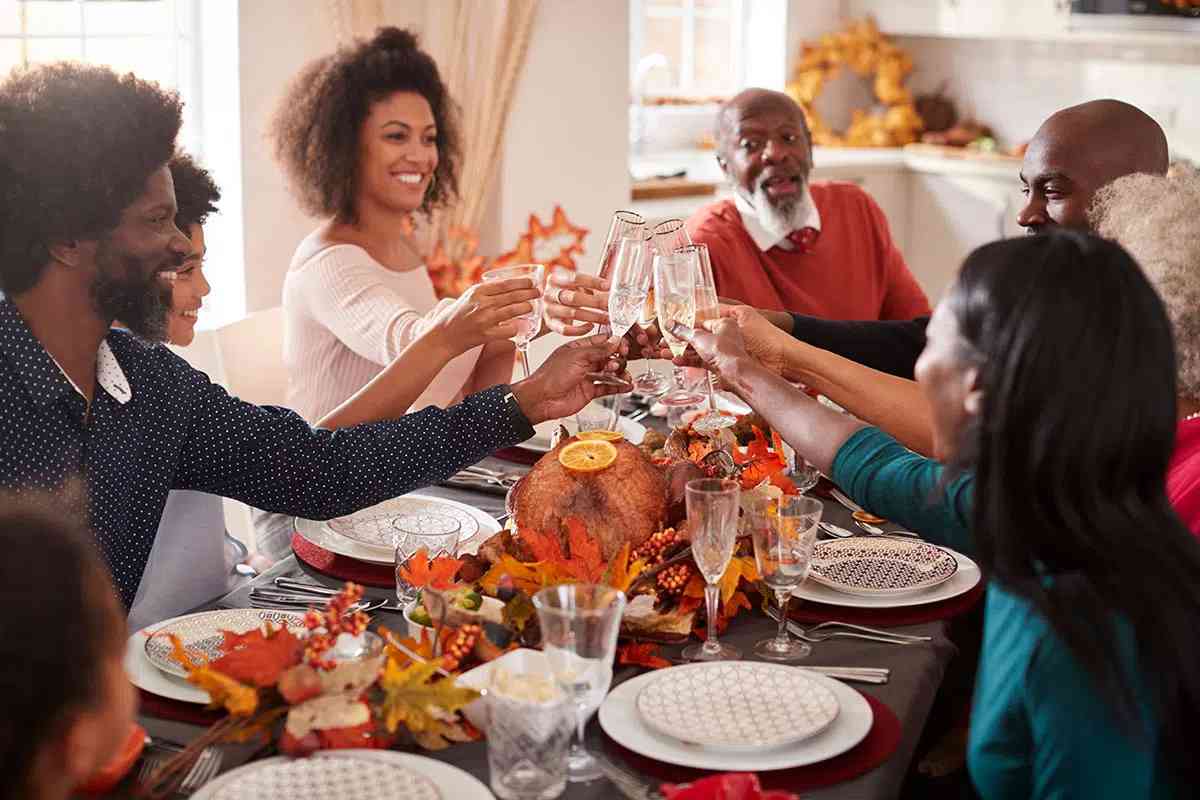
Thanksgiving is a holiday built on connection, reflection, and gratitude. Each year, families gather to share a meal that carries meaning far beyond the menu itself. Every dish, conversation, and small moment adds to a sense of continuity that makes the day special. Many households rely on timeless tools, such as a Dutch oven, to prepare their favorite recipes, from slow-cooked vegetables to savory stuffing.
These familiar methods and traditions link past celebrations to present ones. Over time, what began as a day of harvest has become a reminder of how food and family rituals bring people closer. The following traditions highlight how Thanksgiving dinner continues to unite families through shared preparation, memories, and gratitude.
1. Cooking Together as a Family
One of the most enduring Thanksgiving traditions is cooking together. The kitchen becomes a lively hub where family members of all ages take part in preparing the meal. Some measure ingredients, others stir pots, and a few manage the main course.
Cooking together encourages participation and reminds everyone that the meal is a shared accomplishment, not the result of a single person’s effort. This collaboration also creates opportunities for teaching and learning. Parents show children how to make family favorites, while older generations pass down cooking techniques and stories from past holidays.
The process fosters a sense of teamwork and belonging that lasts far beyond the dinner itself. By the time the food reaches the table, it represents the effort and care of everyone involved, reinforcing the true spirit of Thanksgiving.
2. Sharing Family Recipes and Stories
Every Thanksgiving table tells a story through the recipes served. Some dishes appear every year, carefully preserved from one generation to the next. These recipes often carry emotional significance, representing family heritage, culture, and shared history. The act of cooking and serving them honors those who came before and keeps their memory alive.
Sharing the stories behind these recipes turns the meal into a living connection between past and present. Explaining where a dish originated or who first made it adds depth and meaning to the gathering.
It also gives younger family members an understanding of their roots and traditions. Over time, new recipes may join the rotation, blending modern preferences with old favorites, showing how family traditions can grow while maintaining their original charm.
3. Setting a Thoughtful Table
Preparing the Thanksgiving table is a tradition that brings intention and care to the celebration. Beyond aesthetics, it reflects respect for the meal and the people sharing it. Linens, dishware, and centerpieces are chosen with purpose, and each detail contributes to the atmosphere of gratitude. Some families take time to include personalized place cards, notes of thanks, or small tokens of appreciation for guests.
Setting the table thoughtfully helps define the tone for the evening. It signals that the meal is an occasion meant to be savored. The table becomes a space for connection, where conversation and appreciation flow easily. While the food nourishes the body, the setting nurtures a sense of belonging and care that everyone can feel.
4. Expressing Gratitude Around the Table
Perhaps the most meaningful Thanksgiving tradition is pausing before the meal to express gratitude. Families often go around the table, giving each person a chance to share something they are thankful for. This simple act encourages reflection and creates a sense of unity. Each voice adds perspective, reminding everyone that gratitude can take many forms, from health and opportunity to time spent together.
For children, this tradition teaches the importance of mindfulness and appreciation. For adults, it offers a moment to slow down and acknowledge what truly matters. In busy lives, the opportunity to express thanks aloud can be grounding. It reinforces the core purpose of the holiday: to celebrate the relationships and experiences that make life fulfilling.
5. Enjoying Post-Dinner Rituals
After the plates are cleared, the warmth of Thanksgiving continues through simple, comforting rituals. Many families have established traditions for how they spend the evening after dinner. Some gather in the living room for board games, others step outside for a walk, and some choose to watch a favorite movie together. These shared activities help maintain a sense of togetherness even after the meal has ended.
Cleaning up can even become part of the ritual, with everyone contributing to the process. It turns a necessary task into an act of cooperation and gratitude. Post-dinner traditions often carry less structure than the meal itself, giving space for relaxation and casual connection.
Traditions That Keep the Table Full
Cooking together, preserving recipes, setting the table with care, and expressing gratitude transform a single meal into any opportunity to create lasting memories. Each tradition serves as a reminder that celebration does not depend on perfection; rather, it depends on participation. The true fullness of Thanksgiving comes from the people gathered, the memories shared, and the continued effort to honor what matters most.