You know what’s annoying? Walking out to check your livestock’s water trough only to find it bone dry. Or worse—coming back to find it overflowing and turning your yard into a mini swamp.
If you’ve got animals, you already know this headache. Horses, cattle, chickens, even dogs.
They all need fresh water. Constantly. And somebody has to keep those troughs filled.
One increasingly popular solution is the automatic water trough float valve. But are automatic water trough float valves worth the investment? That’s what we’re going to figure out today.
What Is an Automatic Water Trough Float Valve?
Think about the tank behind your toilet. When you flush, water drains out, the float drops, and fresh water refills the tank automatically. Same basic idea here.
An automatic water trough float valve connects directly to your water supply—could be a hose, a pipe, whatever you’ve got running to your trough.
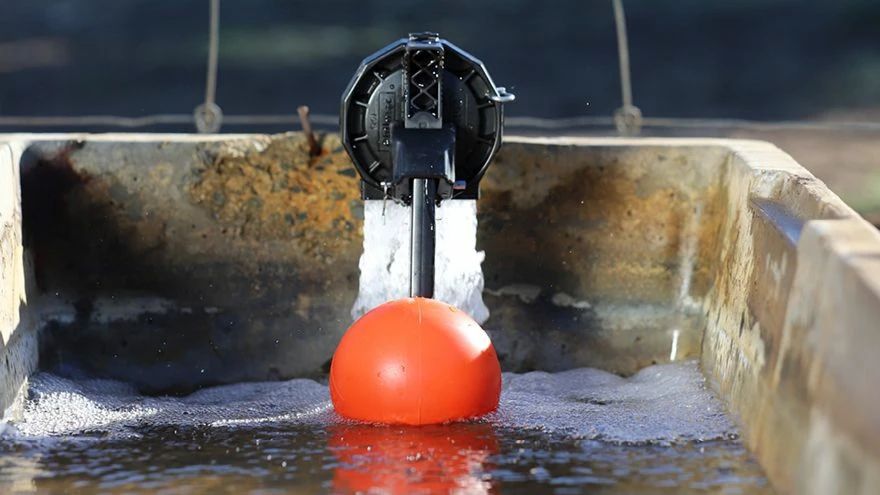
Inside the valve, there’s a float mechanism. Water level goes up, float goes up, valve closes.
Water level drops because your animals are drinking, float drops, valve opens back up.
Simple mechanics. No electricity needed. Just water pressure doing its thing.
The valve itself usually screws into the side or bottom of your trough.
Some models mount on top. You connect your water line, and from that point on, the trough maintains its own water level. Your animals drink, the valve refills. Automatically.
Why Automatic Water Trough Float Valves Are Popular
People are tired of babysitting water troughs. That’s the honest answer.
If you’re running a small farm or keeping livestock, you’re already juggling fifty other tasks.
Checking water levels multiple times a day? It gets old fast.
Especially in summer when animals drink more. Or winter when pipes freeze and you’re already dealing with that nightmare.
These valves save time. A lot of it. Install one properly and you might only need to check the trough once a week instead of twice daily.
Maybe just to clean it out or verify everything’s working.
They also prevent waste. How many times have you left a hose running too long and flooded the area? Guilty. We’ve all done it.
A float valve stops that. Fills to the right level, shuts off. No more water pooling around the trough, no more mud pits, no more wasted water on your bill.
And here’s something people don’t always think about—consistency matters to animals.
They need reliable access to water. If you forget to fill the trough because you got busy, that’s a problem. Float valves eliminate that risk.
Benefits of Using Automatic Water Trough Float Valves
Let’s get specific about what you’re actually getting here.
Time savings. This is the big one. You’re not hauling buckets.
You’re not standing there with a hose. You’re not setting timers on your phone to remember to check the water. The system handles it.
Water conservation. No overflows mean you’re only using what your animals actually need. In areas with water restrictions or high water costs, this adds up over time.
Actually, let me back up. There’s another benefit that’s kind of understated—peace of mind. You can leave for a weekend without arranging for someone to come fill water troughs.
The valve’s got it covered. That’s worth something.
Better water quality too. Because the water’s constantly being topped off with fresh supply, it doesn’t sit and get stagnant as quickly.
Your trough’s still going to need cleaning—algae happens—but the water stays fresher between cleanings.
These valves work in extreme temperatures better than you’d expect. Most are brass or heavy-duty plastic.
They handle heat fine. Cold’s trickier—you’ll still need to deal with freeze protection in winter, same as any water system—but the valve itself is generally durable.
Installation is usually straightforward. If you can screw a garden hose onto a spigot, you can probably install a basic float valve.
Some models are more complex, sure, but entry-level ones? Pretty manageable.
Potential Drawbacks to Consider
Nothing’s perfect though. Let’s talk about the downsides because they exist.
Initial cost. A decent automatic float valve runs anywhere from $20 to $80 depending on size and quality.
Not outrageous, but it’s not free either. If you’ve got multiple troughs, you’re multiplying that cost.
Maintenance required. These things can clog. Sediment in your water line, bits of debris, mineral buildup—all of that can interfere with the valve mechanism.
Some models have filter screens which help, but you’ll need to check and clean them periodically.
I’ve heard stories of valves failing in the closed position—which means no water—or failing open, which means continuous flow and a flood.
Usually this happens with cheaper models or after years of use without maintenance, but it can happen.
Water pressure matters. Too much pressure and some valves struggle to close properly.
Too little pressure and they might not open fully.
You need to match the valve to your water system. Most work fine with standard residential pressure, but it’s something to verify.
Here’s another thing. If your water supply fails—pipe breaks, main shutoff gets turned off accidentally, whatever—the valve can’t help you. It’s not creating water, just regulating it. You still need a functioning water source.
Some animals mess with the float. Curious horses especially.
They’ll play with anything new in their environment. If the float gets damaged or dislodged, the system stops working correctly.
And depending on your trough design, installation might be tricky.
Plastic troughs are easy to drill into. Metal stock tanks? You’ll need the right tools and bits. Concrete troughs? That’s a whole project.
Are Automatic Water Trough Float Valves Worth the Investment?
Depends on your situation. I know, I know, that’s not a satisfying answer. But it’s true.
If you’re checking water troughs multiple times daily and you’ve got a reliable water line running near your troughs, then yes. Absolutely worth it.
The time savings alone justify the cost within a few months.
For someone with just one or two animals and plenty of time to maintain things manually? Maybe not essential. You can keep doing what you’re doing.
But here’s how I think about it. Your time has value.
Even if you’re not in a rush, wouldn’t you rather spend that time on something other than filling water troughs? Training your horse, repairing that fence section that’s been bugging you, or just sitting down for ten minutes?
The investment pays back in convenience and consistency. Those are hard to put a price on, but they matter.
I’d say if any of these apply to you, a float valve is worth it:
- You’ve got multiple animals
- You travel occasionally and need reliable water supply
- Your time is limited
- You’ve got water access near your troughs
- You’ve dealt with overflows or forgotten to fill troughs before
If none of those apply, you might be fine without one.
How to Choose the Right Automatic Float Valve
This is where people get overwhelmed because there are too many options. Let me simplify it.
Size matters. Float valves come in different inlet sizes—usually 1/2 inch, 3/4 inch, or 1 inch. Bigger animals drinking more water need larger valves with better flow rates. A 1/2 inch valve might be fine for a few chickens but won’t keep up with three horses.
Material choice. Brass valves cost more but last longer and handle temperature swings better. Plastic valves are cheaper and work fine in mild climates, but they can become brittle in extreme cold or degrade in strong sun.
Mounting style. Side mount, top mount, bottom mount—this depends on your trough design. Side mount valves are easiest for most stock tanks. Bottom mount valves keep the mechanism out of sight but are harder to access for maintenance.
Check the maximum water pressure rating. Most residential systems run between 40-60 PSI. Make sure your valve can handle your pressure, or install a pressure regulator.
Read reviews. I’m serious about this.
People who’ve actually used these in the field will tell you things the manufacturer won’t—like which models clog constantly or which ones last for years without issues.
Some valves come with filter screens. Get one with a filter.
That small feature prevents so many problems.
Installation and Maintenance Tips
Installing one isn’t rocket science, but a few tips will save you headaches.
Turn off your water supply first. Obvious, but I’m saying it anyway.
Choose your mounting location carefully.
You want the valve positioned where animals can’t easily bump into it or chew on it. Usually somewhere on the upper half of the trough works well.
If you’re drilling into a metal tank, use a step bit or a proper hole saw.
Mark your spot, start with a pilot hole, then widen it gradually. Go slow. Metal can warp if you rush.
Apply thread sealant or Teflon tape to all threaded connections.
You don’t want leaks. Wrap the tape clockwise—same direction you’ll be threading the connection.
After installation, test the system before you walk away.
Fill the trough and watch how the valve operates. Make sure it shuts off at the right level and doesn’t drip.
For maintenance, check the valve monthly at first.
Once you trust it, you can stretch that to quarterly checks. Look for leaks, test that the float moves freely, clean the filter screen if there is one.
If you’ve got hard water, mineral buildup will happen.
Soak the valve components in vinegar once or twice a year to dissolve deposits. This keeps everything moving smoothly.
In winter, either use a heated trough or drain and disconnect the valve if you’re in freezing territory.
Some people install shutoff valves so they can isolate the float valve during cold months.
Keep a spare valve on hand. They’re not expensive, and if one fails, you don’t want to wait three days for shipping while your animals go without automatic water.
Conclusion
So. Are automatic water trough float valves worth it?
For most people keeping livestock, yes.
The convenience factor is real. You’ll save time, reduce water waste, and give your animals consistent access to fresh water.
They’re not complicated. They’re not expensive. And when they work properly, you’ll forget they’re even there—which is exactly the point.
Could you manage without one? Sure. People did it for centuries. But we’ve also got running water and power tools now.
Sometimes newer solutions just make sense.
Start with one trough.
See how you like it. If it works well, add more. If it doesn’t solve your problem, you’re only out $30 or $40.
Just make sure you pick the right size for your setup, install it properly, and check it occasionally.
Do that, and you’ll wonder why you didn’t install one sooner.