Author

Rylan Gordon

Browsing

Picture this: It’s 3 a.m. on a muggy July night, and a pipe gives out in your crawl space. Or maybe a spring storm dumps six inches of rain in two hours, and your finished basement is suddenly a wading pool. Water damage hits roughly 14,000 people in the U.S. every single day.  That’s 14,000 frantic calls to plumbers, insurance agents, and restoration crews, often all before sunrise. In Atlanta, the risk is dialed up even higher. The city’s humid subtropical climate delivers relentless spring and summer downpours that overwork storm drains and sewer lines, along with hot, sticky summers that will turn a damp drywall patch into a mold colony in no time.  Cold snaps? Those burst pipes faster than you can say “polar vortex.” As Roto-Rooter’s Atlanta team puts it, decades of local experience have taught them exactly how these weather patterns conspire against homeowners.  And what makes…

Urban homeowners often focus on external pollution while overlooking the hidden toxins inside their own walls. From lead in tap water to volatile organic compounds (VOCs) in household products, city dwellings can harbor invisible health threats. Simple solutions like a lead water filter and other protective measures can help create a safer, healthier home environment. The Hidden Health Risks Inside City Homes City living offers convenience and culture, but it also comes with an invisible toxic burden. Urban homes often contain contaminants in water, air, cleaning supplies and soil that can affect long-term health. Indoor air quality poses a serious concern for city dwellers. VOCs can seep into homes from building materials and external fires, becoming embedded in fabrics and drywall. These chemicals are emitted by a wide array of products, including paints, cleaning supplies and pesticides, with concentrations consistently higher indoors than outdoors. Outdoor spaces present additional risks. Chemical…

Around 1 in 20 English homes has a damp problem according to the latest English Housing Survey, and far more deal with condensation at some point. Knowing whether you’re looking at harmless condensation or a real structural issue is the tricky part. Get it wrong and you’ll either panic over nothing or ignore something that quietly eats into your walls. Let’s take a closer look at how to spot the difference before it costs you. Three Types of Damp You Might Be Dealing With There are three main kinds of damp, and they don’t behave the same way. What the Warning Signs Actually Look Like Your eyes and nose will tell you a lot before anyone gets a meter out. Here’s what to keep an eye on: One patch on its own isn’t always cause for alarm. It’s when these signs keep coming back after you’ve cleaned and dried the…

Burst pipes and leaks are the most common type of home insurance claim in the UK, and they cost insurers more than almost any other kind of damage. Empty homes are where they do the most harm, because no one is around to spot a leak before it spreads. A pipe that fails in a lived-in house gets caught quickly, but in a vacant property the water can run unchecked for weeks. That’s a particular worry for homes left empty during probate, when the place can sit unattended for months while the estate is sorted out. Continue reading to find out why escape of water tops the claims tables, which empty homes are most at risk, and the simple steps that stop most leaks before they start. What the Claims Data Actually Shows Escape of water is one of the most common causes of home insurance claims in the UK.…

Most plumbing problems do not begin with drama. There is no cinematic burst pipe, no ankle-deep water racing across the kitchen floor. More often, it starts with something easy to ignore: a tap that needs an extra twist, a slow-draining sink, a faint damp smell under the stairs, a boiler making a noise it definitely did not make last winter. That is why so many homeowners wait too long. Plumbing issues have a habit of presenting themselves as minor annoyances right up until the point they become expensive, disruptive, and impossible to brush off. And when that moment arrives, it is usually accompanied by a thought that feels both obvious and irritating: I should have called a plumber sooner. Why Small Plumbing Problems Rarely Stay Small A lot of household maintenance can be delayed without much consequence. A scuffed skirting board will still be there next month. A squeaky door…

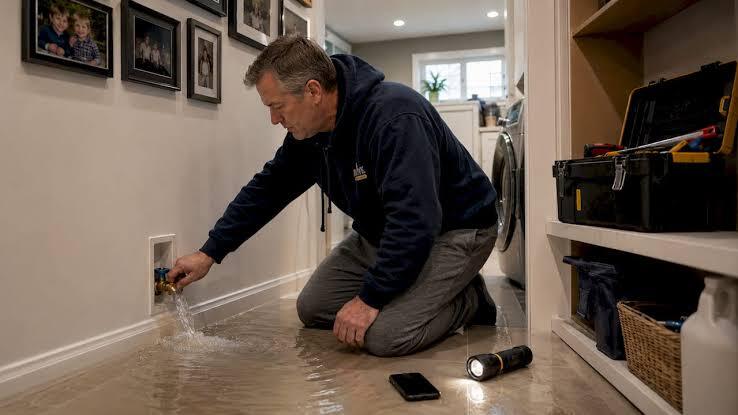
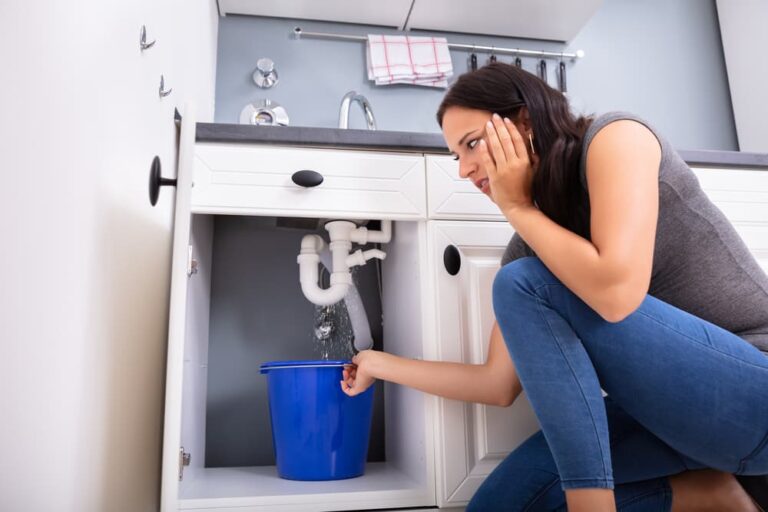
A plumbing emergency can turn a calm household into a scene of chaos in minutes. Water where it should not be, a drain that will not clear, or a sudden loss of supply all create that sinking feeling of not knowing what to do first. The good news is that with a clear head and a simple plan, you can take control of the situation and limit the damage. Here is a practical survival guide for Adelaide homeowners facing the unexpected. Stay Calm and Act Quickly The first rule of any plumbing emergency is not to panic. While these situations are stressful, a calm and methodical response will always serve you better than a flustered one. Taking a breath and thinking clearly helps you make the right decisions in the moment. That said, calm does not mean slow. Plumbing problems, particularly those involving escaping water, get worse the longer they…

We keep a list of essential contacts for a reason. A doctor, an electrician, perhaps a mechanic: these are the people we hope not to need too often but are very glad to know when we do. A reliable around-the-clock plumber belongs firmly on that list. Plumbing problems have an uncanny knack of arriving without warning and at inconvenient hours, and when they do, having a professional you can call at any time is one of the quiet essentials of a well-run Adelaide household. The Unpredictable Nature of Plumbing Plumbing is one of those systems we rely on completely and think about rarely, right up until it fails. And when it fails, it tends to do so suddenly. A fitting that has been weakening for months finally lets go, or a blockage that has been building reaches breaking point, often with no warning at all. Because these failures are so…

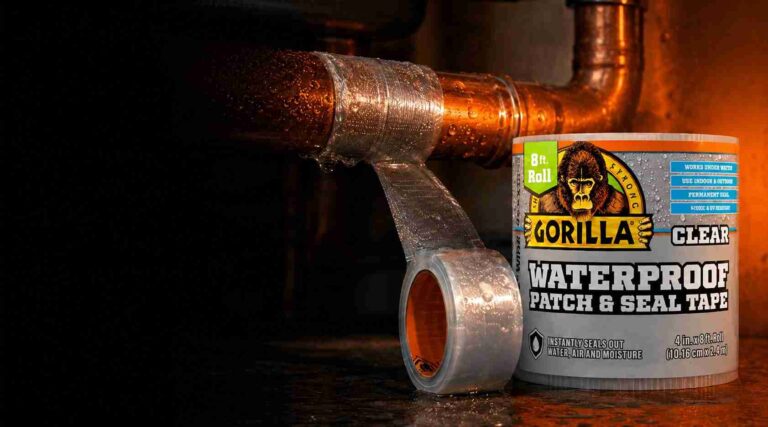
You can stop a leaking pipe tonight without calling a plumber. If the water is off at the mains and you need a fix that holds until a proper repair can happen, sealing tapes are your best option. This won’t require a hardware run or any trade experience. Just a few minutes and the right tape will do it. This is a temporary repair designed to buy you time, and it works well for small leaks, pinhole cracks, and weeping joints. Here’s how to do it. You will need: Turn Off the Water and Dry the Pipe Shut the water off at the mains before you do anything else. Tape won’t bond to a pipe that’s still weeping or under pressure, and this step is what makes everything else work. Once it’s off, wipe the pipe down with a dry cloth or paper towel. You don’t need the surface bone…

Melbourne’s inner suburbs are home to some of the city’s most beautiful period properties, from grand Victorian residences to elegant Edwardian homes lining leafy streets. Suburbs like Hawthorn are full of them, and they are wonderful places to live. But beneath the ornate cornices and polished floorboards, period homes often hide plumbing systems that are as old as the houses themselves. Understanding the particular plumbing challenges these homes face, and being ready when something goes wrong, is part of caring for a piece of history. Here is what owners of older homes should know. The Beauty and the Plumbing Period homes were built to last, and many have stood for a century or more. Their plumbing, however, was designed for a very different era, one without multiple bathrooms, dishwashers, washing machines, and the constant water demands of modern living. Over the decades, original pipework has often been patched, extended, and…

A properly working drainage system keeps daily household routines smooth and stress-free. Still, many property owners face repeated clogs even after cleaning attempts. These issues usually point to deeper conditions inside the plumbing network rather than simple surface blockages. Hidden buildup inside pipes often causes recurring drainage problems and explains why issues return after short-term fixes. The article explains the hidden reasons behind frequent drain clogs and how professionals resolve them effectively. Buildup That Forms Deep Inside Pipes One of the most common causes of recurring blockages is the gradual accumulation of residue along pipe walls. Grease, soap scum, food particles, minerals, and other materials can attach to interior surfaces over time. Over time, only advanced drain cleaning methods can help address this hidden layer of buildup by reaching deeper sections of the pipeline and restoring smoother flow conditions. As these layers become thicker, they reduce the available space for…