
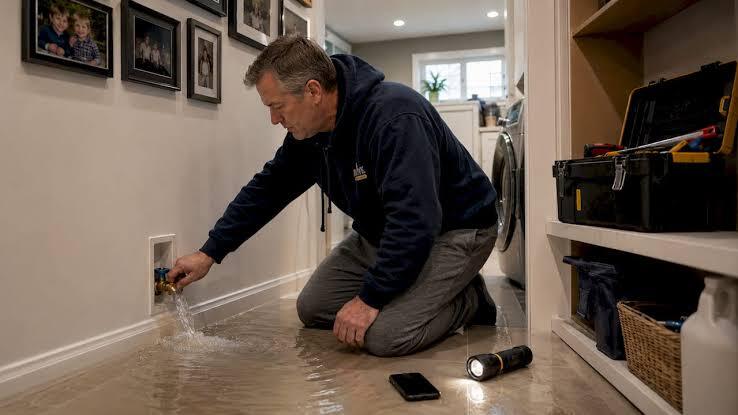
A plumbing emergency can turn a calm household into a scene of chaos in minutes.
Water where it should not be, a drain that will not clear, or a sudden loss of supply all create that sinking feeling of not knowing what to do first.
The good news is that with a clear head and a simple plan, you can take control of the situation and limit the damage.
Here is a practical survival guide for Adelaide homeowners facing the unexpected.
Stay Calm and Act Quickly
The first rule of any plumbing emergency is not to panic.
While these situations are stressful, a calm and methodical response will always serve you better than a flustered one.
Taking a breath and thinking clearly helps you make the right decisions in the moment.
That said, calm does not mean slow.
Plumbing problems, particularly those involving escaping water, get worse the longer they are left.
The aim is to act decisively but sensibly, addressing the most urgent risks first and then working toward a proper solution.
Shut Off the Water
In most plumbing emergencies, the single most important action is to stop the flow of water.
Knowing where your main shut-off valve is, and being able to turn it quickly, can dramatically reduce the damage from a burst pipe or major leak.
This one step often makes the biggest difference.
If the problem is isolated to a particular fixture, such as a toilet or basin, there may be an individual shut-off valve nearby that you can use instead.
Either way, stopping the water buys you time and prevents a bad situation from getting rapidly worse while you arrange help.
Call for Professional Help
Once the immediate flow is under control, it is time to bring in the experts.
For anything beyond the most minor issue, professional emergency plumbing assistance in Adelaide is the safest and most effective route.
A qualified plumber can diagnose the real cause and carry out a proper repair.
Resist the urge to attempt major repairs yourself in the heat of the moment.
Plumbing emergencies can involve hidden complications, and a well-meaning DIY fix can sometimes make things worse.
Getting a professional on the way quickly is almost always the wisest move.
Contain the Damage
While you wait for help to arrive, there is plenty you can do to limit the harm.
Mopping up standing water, moving valuables and furniture out of harm’s way, and placing towels or buckets to catch drips all help protect your home.
Every bit of water you keep away from floors and walls reduces the eventual damage.
If the emergency involves electricity in any way, such as water near power points or appliances, prioritise safety and keep clear.
Protecting people always comes before protecting property.
A little quick action at this stage can save a great deal of repair work later.
Weather and Plumbing Emergencies
Some plumbing emergencies are triggered or worsened by the weather.
Heavy storms can overwhelm drains and cause flooding, while temperature extremes can place pipes under stress.
Keeping an eye on conditions helps you anticipate and prepare for trouble.
Staying informed is part of being ready.
The Bureau of Meteorology provides warnings and forecasts that can give you advance notice of severe weather, allowing you to take precautions before a storm hits.
A little awareness goes a long way toward preventing weather-related plumbing problems.
Prevent the Next Emergency
Once the crisis has passed, it is worth thinking about prevention.
Many emergencies can be avoided through simple maintenance, such as keeping drains clear, fixing small leaks promptly and having your system checked periodically.
Prevention is far less stressful and expensive than a crisis repair.
Learning the warning signs helps too. Gurgling drains, falling water pressure, damp patches and strange noises are often early hints of a developing problem.
Acting on these signals can stop a minor issue from becoming the next emergency, keeping your household running smoothly.
Keep a Few Supplies Handy
A small emergency kit can make a real difference while you wait for help to arrive.
A few old towels, a bucket, a torch and perhaps some rubber gloves are enough to help you contain a leak and limit the mess.
Knowing where these basics are kept means you can act quickly when something goes wrong.
It also helps to keep important details accessible, such as your plumber’s number and the location of your shut-off valve.
A little organisation now turns a stressful moment into a series of manageable steps.
Be Ready Before It Happens
The best survival guide is the one you prepare in advance.
Knowing where your shut-off valve is, keeping a trusted plumber’s number handy, and understanding the basics of your home’s plumbing all mean you can respond confidently when something goes wrong.
Preparation turns panic into a plan.
For Adelaide households, a few simple steps now can save enormous stress later.
Take the time to get familiar with your home’s plumbing, line up reliable help, and stay on top of maintenance.
Do that, and the next plumbing emergency will be something you handle calmly rather than something that handles you.