
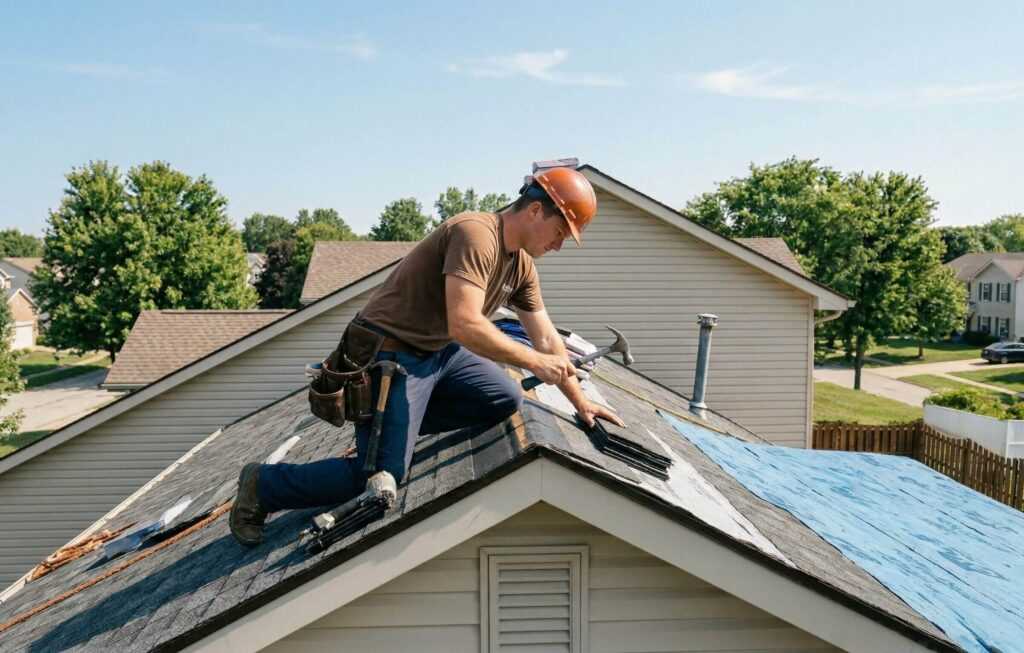
Your roof protects your home from rain, wind, heat, debris, and changing weather conditions every day.
Yet roof problems often develop without drawing much attention. A loose shingle or small water stain might seem minor at first.
Left untreated, the same issue might lead to damaged decking, wet insulation, or interior repairs.
Learning the signs your roof needs repair helps you respond before damage spreads.
Some warning signs appear outside. Others show up in your attic, ceilings, gutters, or energy bills.
Knowing where to look gives you a better idea of when to schedule a professional assessment.
Why Early Roof Damage Should Never Be Ignored
Roof damage rarely improves on its own.
Water often enters through a small opening and travels along decking, rafters, or insulation before appearing inside your home.
This delay makes early detection important. A missing shingle, loose flashing, or deteriorated seal around a roof penetration might create an entry point for moisture.
Over time, repeated exposure increases the risk of wood deterioration and damaged insulation.
Regular visual checks help you spot roof repair signs sooner.
You do not need to climb onto the roof. Many warning signs remain visible from the ground, attic, or interior rooms.
What Are the Most Common Signs Your Roof Needs Repair?
Several symptoms suggest your roofing system needs attention. Look at the condition of your shingles, ceilings, attic, gutters, and roofline.
Missing, Cracked, or Damaged Roof Shingles
Shingles form a major part of your roof’s weather barrier. Strong winds, impacts, age, and repeated temperature changes wear them down.
Damaged roof shingles might appear cracked, curled, loose, or missing. You might also notice sections where shingles no longer sit flat.
These areas deserve attention because exposed roofing materials face greater moisture exposure.
Water Stains on Ceilings or Walls
Brown or yellow marks on ceilings often rank among the clearest roof leak signs.
Peeling paint, damp drywall, or unexplained moisture near exterior walls also deserves investigation.
Do not assume the leak sits directly above the stain.
Water often travels along structural components before becoming visible indoors. A roof inspection helps trace moisture back to its source.
Granules Collecting in Gutters
Asphalt shingles contain protective granules on their surface. Some granule loss occurs throughout a roof’s service life.
Large amounts collecting in gutters or near downspouts deserve closer attention.
Excessive loss leaves shingles more exposed to sunlight and weather. Look for uneven or bare areas across the roof surface.
A Sagging or Uneven Roofline
A roofline should appear straight and consistent. Visible dips, sagging sections, or uneven areas are serious roof damage warning signs.
These changes sometimes relate to weakened decking, prolonged moisture exposure, or structural concerns.
Avoid walking on a sagging area. Arrange an assessment instead.
How to Know if Your Roof Needs Repair After Severe Weather
Severe weather often damages a roof within minutes.
High winds lift shingles, falling branches break roofing materials, and hail leaves dents, cracks, or granule loss.
After a storm, inspect the property from a safe location.
Look for missing shingles, roofing debris on the ground, damaged gutters, loose flashing, and new water stains inside the building.
Hail damage deserves closer attention because some impact marks remain difficult to identify from ground level.
For example, homeowners researching hail damage roof repair in Kankakee County, IL often consult a local contractor such as N & I Roofing for a detailed assessment.
The inspection should document affected shingles, flashing, vents, gutters, and other exposed components before repairs begin.
Address storm damage promptly. Small openings often allow moisture into the roofing system during the next rainfall.
What Are the Most Common Roofing Problems?
Some roofing issues develop from storms. Others result from age, maintenance gaps, installation problems, or normal material deterioration.
Common roofing problems include missing shingles, cracked flashing, deteriorated sealants, blocked gutters, damaged vents, and leaks around chimneys or other penetrations.
Drainage also matters. Clogged gutters allow water to collect near roof edges.
Poor attic ventilation contributes to excess heat and moisture, placing added stress on roofing components.
Watch for changes rather than waiting for obvious failure. New stains, loose materials, unusual roofline changes, or recurring leaks provide useful clues.
Why a Professional Roof Inspection Matters
A visual check from the ground provides useful information, but some problems require closer examination.
During a roof inspection, a roofing professional examines shingles, flashing, penetrations, drainage areas, vents, and other vulnerable components.
An attic assessment might also reveal moisture, staining, damaged insulation, or ventilation concerns.
An inspection becomes especially useful after severe weather. Documentation from the assessment also helps establish the condition and extent of storm-related damage.
If significant storm damage leads to an insurance process, resources focused on a roof insurance claim in Kankakee County, IL show the type of support homeowners might review when dealing with inspections, documentation, and claim-related roofing work.
Keep photos, inspection reports, repair estimates, and relevant storm information together. Clear records help you understand what happened and what work needs attention.
When to Repair a Roof Instead of Replacing It
Not every roofing problem requires replacement. Residential roof repair often makes sense when damage affects a limited area and the rest of the roofing system remains in serviceable condition.
For example, replacing several wind-damaged shingles differs from addressing widespread deterioration across an aging roof.
When deciding when to repair a roof, consider the roof’s age, damage extent, leak history, material condition, and previous repairs.
Repeated problems across multiple sections often call for a broader evaluation.
Avoid choosing based only on the visible symptom.
A small ceiling stain sometimes comes from a straightforward flashing issue, while a larger visible problem might involve limited surface damage.
What Happens During a Residential Roof Repair?
The process usually starts with finding the source of the problem.
This step matters because treating the visible symptom without addressing the source often leads to recurring damage.
A roofing professional then evaluates affected materials and determines the repair scope.
Work might involve replacing shingles, repairing flashing, sealing vulnerable penetrations, replacing damaged decking, or correcting drainage-related problems.
Afterward, the repaired area should receive a final check. Interior moisture concerns also deserve attention if water entered the attic or living space.
How Regular Roof Maintenance Helps Prevent Major Damage
Routine maintenance gives you more opportunities to identify problems early.
Check your roof visually after major storms. Keep gutters clear.
Trim branches hanging over the roof. Look inside your attic for moisture or staining. Pay attention to changes in shingles, flashing, vents, and roof edges.
Schedule an inspection when something looks different or unexplained. Waiting for water to enter a living space often means the roofing problem has already progressed.
Have You Noticed Signs Your Roof Needs Repair?
Knowing the signs your roof needs repair starts with paying attention to small changes. Missing shingles, ceiling stains, granule loss, sagging areas, storm damage, and recurring moisture all deserve investigation.
Start with a safe visual check from the ground and inside your home.
Document anything unusual with photos and dates. After severe weather, review your roof for new damage once conditions are safe.
If you find signs of damage or remain unsure about the roof’s condition, arrange a professional inspection.
Early assessment gives you clearer information about the problem and helps you address repairs before moisture spreads into other parts of your home.