Unexpected home repairs can quickly become expensive, especially when heating, cooling, or plumbing systems develop problems that have gone unnoticed for months.
A small water leak, a clogged drain, or a neglected air filter may seem insignificant at first, but these issues can gradually affect equipment performance and lead to more complicated repairs.
Regular home maintenance helps homeowners identify potential problems before they cause extensive damage.
By establishing a consistent maintenance routine, households can protect essential systems, maintain indoor comfort, and avoid unnecessary repair expenses.
The following five tasks can make a meaningful difference in keeping HVAC and plumbing systems in good condition.
Replace HVAC Air Filters Regularly
Air filters play an important role in maintaining indoor air quality and protecting heating and cooling equipment.
Over time, these filters collect dust, pet hair, pollen, and other airborne particles.
When they become clogged, airflow becomes restricted, forcing the HVAC system to work harder to maintain the desired indoor temperature.
This additional strain can contribute to increased energy consumption and premature equipment wear.
Homeowners should inspect their filters monthly and replace or clean them according to the manufacturer’s recommendations.
Homes with pets, frequent occupants, or significant dust accumulation may require more frequent attention.
Keeping filters clean is a relatively inexpensive maintenance task that can help prevent avoidable HVAC problems.
The U.S. Department of Energy also recommends routine filter maintenance as part of an effective home energy-saving strategy.
Inspect Pipes and Fixtures for Leaks
Small plumbing leaks are among the most commonly overlooked household problems.
Dripping faucets, damp cabinet interiors, water stains, and unexplained increases in water bills can indicate leaks that require attention.
Even a minor leak can gradually damage cabinets, flooring, drywall, and other surrounding materials.
Persistent moisture may also create conditions that encourage mold growth.
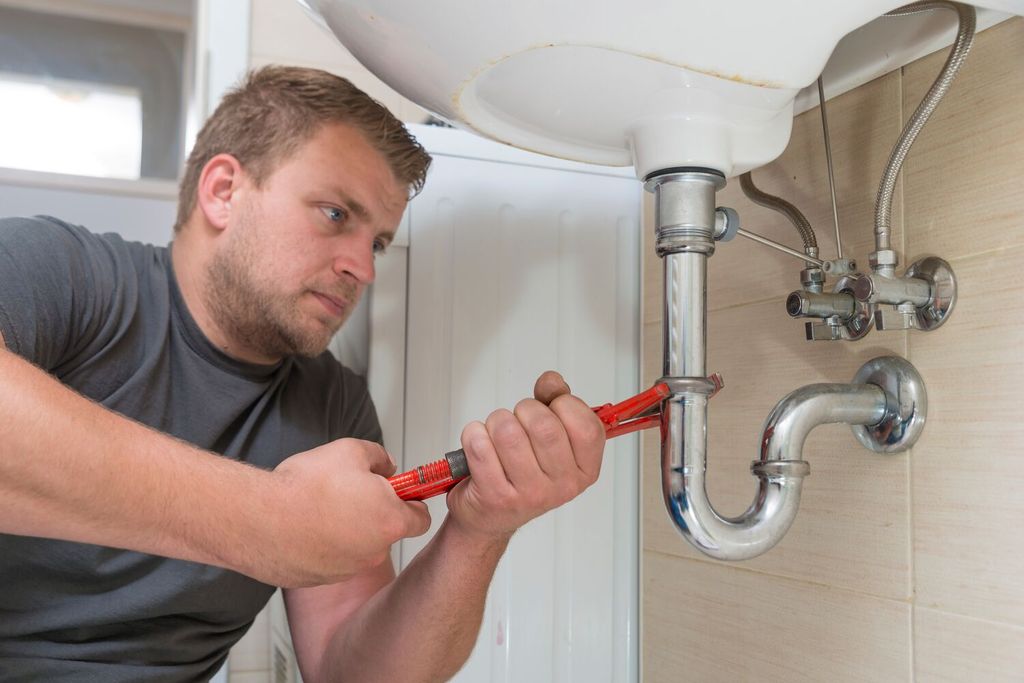
Homeowners should periodically inspect exposed pipes beneath sinks, around toilets, near water heaters, and along accessible plumbing connections.
Paying attention to changes in water pressure can also help identify potential plumbing concerns.
A sudden decrease in pressure, recurring damp spots, or unusual water sounds may indicate an underlying issue.
When a leak is discovered, addressing it promptly can prevent additional water damage.
More complicated pipe repairs should be handled by a qualified plumbing professional rather than relying on temporary fixes.
Keep Outdoor HVAC Units Clean and Unobstructed
Outdoor air conditioning units need sufficient airflow to release heat effectively.
However, leaves, grass clippings, dirt, and overgrown vegetation can accumulate around the equipment and interfere with its operation.
Restricted airflow may reduce cooling efficiency and place additional strain on important system components.
Homeowners should periodically check the area surrounding outdoor condenser units and remove loose debris that could obstruct ventilation.
Vegetation should also be trimmed to maintain adequate clearance around the equipment, following the manufacturer’s recommendations.
The unit’s exterior should remain free from unnecessary obstructions throughout the year.
However, cleaning internal components, handling refrigerant, or repairing electrical connections requires professional expertise.
These tasks involve equipment and safety considerations that make professional servicing the more appropriate option.
Maintain Water Heaters and Monitor Their Performance
Water heaters are essential household appliances that often receive attention only when hot water becomes unavailable.
Regular inspections can help identify developing problems before they result in equipment failure or water damage.
Homeowners should periodically check for visible corrosion, moisture around connections, unusual noises, and inconsistent water temperatures.
Leaks around the tank or connected pipes deserve particular attention because they may indicate deteriorating components.
The temperature setting should also follow the manufacturer’s recommendations and applicable household safety guidance.
The U.S. Department of Energy identifies water heating as an important part of household energy management, making proper maintenance valuable for both efficiency and reliability.
More involved maintenance, including tank flushing, anode rod inspection, and repairs to heating elements or gas connections, should be performed by qualified professionals.
Consistent attention to these details can help extend equipment life and reduce the likelihood of unexpected breakdowns.
Schedule Professional HVAC and Plumbing Inspections
While routine household checks can prevent many common problems, some maintenance requirements cannot be handled through visual inspections alone.
HVAC systems contain electrical connections, motors, coils, refrigerant components, and drainage systems that require specialized knowledge.
Similarly, plumbing professionals can identify hidden leaks, deteriorating pipes, drainage restrictions, and water heater problems that may not be immediately visible.
Scheduling periodic inspections allows qualified technicians to evaluate equipment performance, identify worn components, and recommend necessary repairs.
Homeowners can also benefit from keeping maintenance records, including service dates, replaced components, and recurring concerns.
For households seeking professional assistance, Fuller HVAC, Plumbing & Electrical provides residential heating, cooling, and plumbing services.
Working with experienced professionals can help homeowners address maintenance concerns and keep essential household systems functioning properly.
Building a Maintenance Routine That Protects the Home
Preventing expensive HVAC and plumbing repairs does not always require major investments.
Simple habits, such as replacing air filters, checking exposed pipes, clearing outdoor equipment, and monitoring water heaters, can help homeowners recognize developing problems early.
A consistent maintenance schedule also makes it easier to identify unusual changes in system performance.
Homeowners can use a monthly checklist for basic inspections and arrange professional servicing when specialized attention is needed.
For additional guidance, Tangy House’s HVAC maintenance tips for homeowners provide further insight into keeping heating and cooling equipment in good condition.
Ultimately, preventive maintenance is an investment in a home’s long-term reliability.
By addressing small concerns before they become major problems, homeowners can protect their property, reduce avoidable expenses, and maintain a more comfortable living environment.