
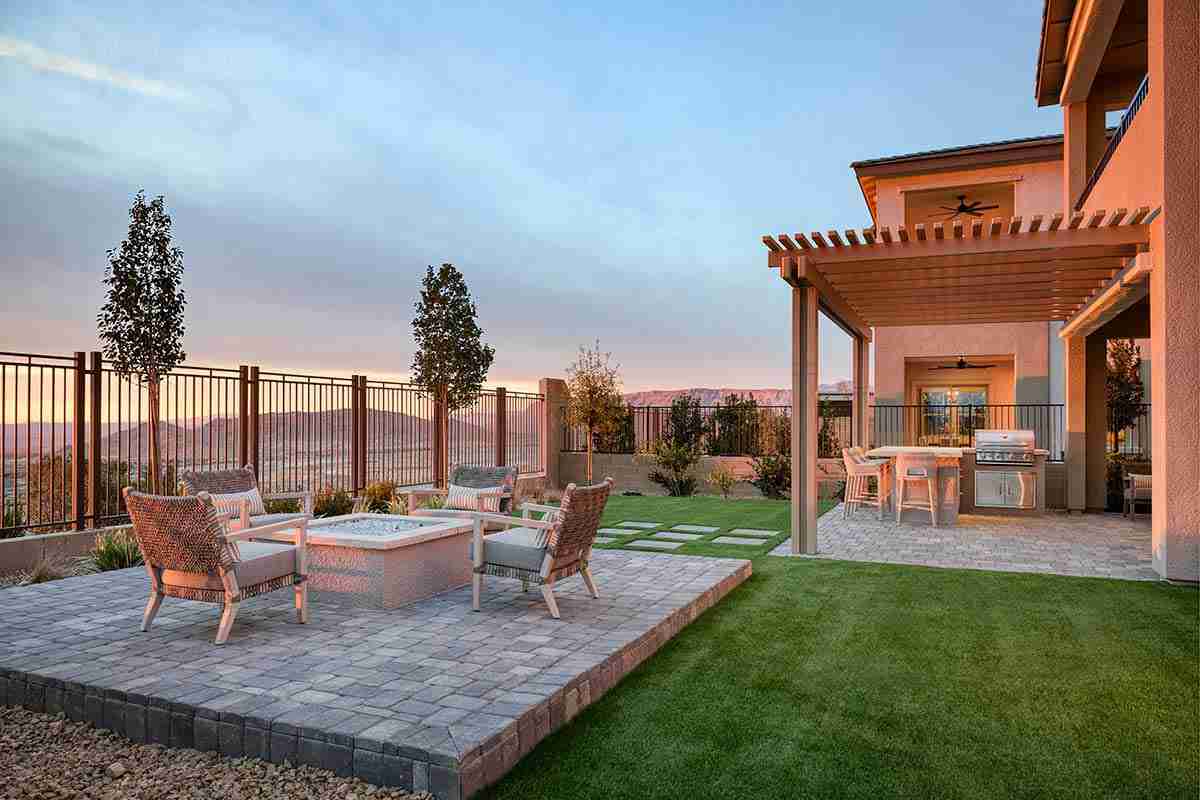
Outdoor spaces are increasingly being designed as functional extensions of the home rather than seasonal gathering areas.
Homeowners are prioritizing comfort, flexibility, and low-maintenance upgrades that make patios, decks, and backyards more usable year-round.
Trends such as flexible layouts, durable furnishings, integrated water features, and weather-resistant additions like a high-quality hot tub cover are helping outdoor spaces feel more comfortable, practical, and visually appealing.
Multi-Zone Outdoor Layouts Are Becoming the New Standard
Homeowners are dividing outdoor spaces into functional zones that improve comfort, organization, and everyday usability.
Creating Separate Spaces Without Major Construction
Outdoor living areas no longer rely on large renovations to feel structured and functional.
Many homeowners are using simple design elements such as outdoor rugs, planter boxes, pergolas, decorative screens, and strategic lighting to visually separate dining, lounging, and relaxation areas.
Furniture placement also plays a major role in defining spaces, especially in smaller backyards where maximizing square footage is important.
Layered layouts help outdoor spaces feel more intentional while improving movement throughout the yard.
For example, a dining set may anchor one section of the patio while a separate seating arrangement creates a more casual gathering area nearby.
Even compact patios can feel larger and more organized when each space serves a clear purpose.
Designing for Entertaining and Everyday Living
Modern outdoor spaces are increasingly designed to support both entertaining and daily relaxation.
Homeowners are looking for layouts that comfortably accommodate guests while still providing quieter areas for personal use throughout the week.
This balance often includes combining larger social spaces with smaller retreat-style zones.
Outdoor dining tables may sit near reading nooks, fire pit seating areas, or spa corners designed for unwinding after long days.
Overall, these mixed-use layouts make outdoor spaces feel more versatile and encourage homeowners to spend more time outside regardless of the occasion.
All-Weather Furniture Is Replacing Seasonal Patio Sets
Homeowners increasingly prefer durable outdoor furniture that withstands changing weather conditions while remaining functional throughout the entire year.
Materials Homeowners Are Choosing
Popular outdoor furniture materials now focus heavily on durability and low maintenance.
Powder-coated aluminum resists rust, teak naturally handles moisture exposure, and resin wicker offers a lightweight but weather-resistant alternative to traditional wicker.
Many homeowners are also choosing fade-resistant outdoor fabrics designed to handle sun, rain, and temperature changes without frequent replacement.
These materials help outdoor spaces remain attractive while reducing seasonal upkeep and long-term maintenance costs.
Comfort Is Just as Important as Durability
Outdoor furniture is increasingly designed to deliver the same comfort homeowners expect indoors.
Deep cushions, modular seating arrangements, oversized lounge chairs, and outdoor sectionals encourage people to spend longer periods relaxing outside.
Many designs now prioritize softer textures and more supportive seating while still using weather-resistant materials.
This combination of comfort and durability helps patios and decks feel more inviting for both entertaining guests and everyday use.
Integrated Water Features Continue to Grow in Popularity
Homeowners are adding water features to create relaxing outdoor spaces that feel functional, calming, and visually appealing year-round.
Hot Tubs as a Backyard Design Feature
Modern hot tubs are increasingly being incorporated into full outdoor living designs instead of functioning as isolated backyard additions.
Many homeowners are integrating hot tubs into decking layouts, surrounding them with privacy screens, landscaping, or pergolas to create a more cohesive and comfortable environment.
Lighting also plays an important role, with pathway lights, accent fixtures, and soft ambient lighting helping spa areas feel more inviting during evening use.
Practical Features That Improve Long-Term Enjoyment
Homeowners are also prioritizing practical upgrades that make outdoor spa areas easier to maintain over time.
Storage benches, towel cabinets, and weather-resistant organization solutions help reduce clutter while improving convenience.
Protective hot tub accessories are becoming equally important, especially for homeowners who want to extend usability throughout the year.
A durable swim spa cover helps retain heat, protect water quality, reduce debris buildup, and maintain a cleaner outdoor environment with less ongoing maintenance.
Low-Maintenance Landscaping Is Becoming More Desirable
Many homeowners want outdoor spaces that stay attractive and functional without requiring constant watering, trimming, or seasonal maintenance work.
Native Plants and Drought-Tolerant Greenery
Native plants, ornamental grasses, and drought-resistant landscaping are becoming increasingly popular because they require less maintenance than traditional lawns and high-maintenance flower beds.
These plants are often better adapted to local weather conditions, which helps reduce watering needs and ongoing upkeep.
Many homeowners also appreciate how natural greenery creates a softer, more relaxed outdoor atmosphere while still maintaining a polished and visually appealing design.
Hardscaping Is Playing a Bigger Role
Hardscaping features are helping homeowners reduce lawn maintenance while creating cleaner and more modern outdoor layouts.
Pavers, gravel pathways, decorative stone, and composite decking are commonly used to define outdoor areas without adding additional upkeep demands.
These materials are valued for their durability and long-term practicality, especially in outdoor spaces designed for entertaining, dining, or year-round relaxation.
Hardscaping also helps create stronger visual structure throughout patios and backyard layouts.
Outdoor Lighting Is Being Used to Extend Usable Space
Outdoor lighting now serves both decorative and practical purposes by improving ambiance, visibility, and nighttime usability across outdoor living areas.
Layered Lighting for Different Zones
Layered lighting helps homeowners create more inviting and functional outdoor environments.
Pathway lighting improves visibility and safety, while overhead string lights add warmth and atmosphere to dining and seating areas.
Deck lighting and accent fixtures are also commonly used to highlight landscaping, stairs, pergolas, and water features.
Combining multiple lighting styles helps create depth throughout outdoor spaces while allowing different zones to feel more defined and visually connected.
Smart and Energy-Efficient Lighting Trends
Many homeowners are choosing energy-efficient outdoor lighting systems that offer both convenience and customization.
Solar-powered fixtures and LED lighting remain popular because they reduce energy consumption while requiring minimal maintenance.
App-controlled lighting systems are also becoming more common, allowing homeowners to adjust brightness levels, schedules, and lighting tones directly from their smartphones.
These upgrades help outdoor spaces remain functional and comfortable during evening use without significantly increasing energy costs.
Outdoor Decor Is Shifting Toward Simplicity and Functionality
Modern outdoor design trends increasingly favor clean aesthetics paired with practical decor that remains durable in changing outdoor conditions.
Neutral Color Palettes With Natural Textures
Outdoor color palettes are shifting toward softer, more natural tones that create calming and versatile spaces.
Warm neutrals, earthy browns, charcoal shades, and muted greens are especially popular because they complement a wide range of outdoor materials and landscaping styles.
Many homeowners are also incorporating wood textures, stone accents, and woven materials to add warmth and visual depth without making outdoor areas feel overly busy or heavily decorated.
Decor That Balances Style and Storage
Practical outdoor decor is becoming increasingly important as homeowners look for ways to keep spaces organized without sacrificing visual appeal.
Storage benches, multifunctional coffee tables, and concealed storage cabinets help reduce clutter while supporting everyday outdoor use.
Decorative privacy panels and partition screens are also growing in popularity because they add style, improve comfort, and help define outdoor zones while maintaining a clean and cohesive overall design.
Conclusion
Outdoor living spaces are increasingly being designed with the same level of planning and intention as indoor areas.
Homeowners are focusing on layouts, furnishings, lighting, and landscaping choices that improve comfort, flexibility, and long-term usability throughout the year.
Modern outdoor design trends also continue to prioritize low-maintenance materials and practical features that make everyday outdoor living more convenient and enjoyable.
Whether it involves adding layered lighting, upgrading furniture, improving landscaping, or creating dedicated relaxation zones, even small outdoor improvements can significantly change how homeowners use and enjoy their available outdoor space.